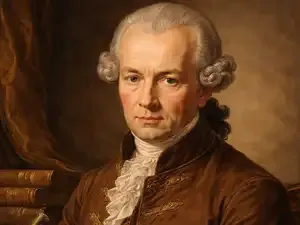
Few philosophers have shaped modern thinking as deeply as Immanuel Kant. Known for his groundbreaking ideas on morality, reason, and human freedom, Kant also had strong and often controversial opinions about love, relationships, and marriage. One of his most debated statements remains:
“Marriage is the union of two persons for the lifelong possession of each other’s sexual attributes.”
At first glance, the quote can sound cold, mechanical, or even shocking to modern readers. In today’s world, where marriage is often associated with emotional connection, companionship, and personal fulfillment, Kant’s definition feels unusually clinical. However, understanding the quote requires looking at the philosophical and historical context in which it was written.
What Did Immanuel Kant Mean?
Kant viewed human relationships through the lens of ethics and duty. In his philosophy, people should never be treated merely as objects for pleasure or personal gain. According to him, sexual desire had the potential to reduce another person to an object of satisfaction. Marriage, therefore, became a moral framework that transformed physical desire into a lawful and mutually recognized union.
By describing marriage as the “lifelong possession” of each other’s sexual attributes, Kant was trying to argue that both individuals enter into a reciprocal agreement. In his view, neither partner “uses” the other unfairly because both equally commit themselves to the relationship.
This idea reflected the social and moral thinking of 18th-century Europe, where marriage was considered a serious institution built on permanence, responsibility, and social order rather than purely on romance.
Why the Quote Is Controversial Today
Modern audiences often criticize Kant’s wording because the term “possession” can sound possessive or dehumanizing. Contemporary views on marriage emphasize equality, emotional intimacy, mutual growth, and individual freedom. Many people believe love cannot be reduced to a contractual exchange or ownership-like relationship.
Critics also argue that the quote reflects patriarchal attitudes common during Kant’s time. Feminist scholars, in particular, have challenged the language and assumptions behind his definition of marriage.
Yet, despite the controversy, the quote continues to spark discussion because it forces readers to think deeply about what marriage truly means. Is marriage mainly about love? Duty? Commitment? Desire? Partnership? Kant’s statement remains relevant because it touches on timeless questions about human relationships.
Immanuel Kant’s Philosophy on Human Relationships
Kant believed morality should guide every aspect of life. His famous ethical principle — often called the “Categorical Imperative” — stated that people must always treat humanity, whether in themselves or others, as an end in itself and never merely as a means.
This principle heavily influenced his ideas about intimacy and marriage. Kant feared that relationships based only on desire could strip people of dignity. Marriage, in his eyes, was a moral structure designed to protect mutual respect between partners.
While many modern thinkers disagree with his exact wording, some scholars argue that Kant was actually trying to defend equality and mutual obligation within relationships — even if his language now sounds outdated.
Why This Quote Still Resonates
Centuries later, Kant’s quote continues to appear in discussions about philosophy, love, gender roles, and the meaning of marriage. Social media users, students, and relationship commentators often revisit the line because of how sharply it contrasts with modern romantic ideals.
The quote also highlights how definitions of marriage have evolved over time. What was once seen primarily as a legal and moral institution is now often viewed as a union based on emotional compatibility and personal happiness.
Who Was Immanuel Kant?
Immanuel Kant was an 18th-century German philosopher widely regarded as one of the most influential thinkers in Western philosophy. Born in 1724 in Königsberg, Prussia, Kant transformed philosophy through works like Critique of Pure Reason, Critique of Practical Reason, and Groundwork of the Metaphysics of Morals.
His ideas on ethics, freedom, reason, and morality continue to shape modern philosophy, political theory, and psychology. Even centuries after his death in 1804, Kant’s writings remain widely studied around the world.
Whether admired or criticized, his quote on marriage remains one of the most thought-provoking philosophical statements about human relationships ever written.
“Marriage is the union of two persons for the lifelong possession of each other’s sexual attributes.”
At first glance, the quote can sound cold, mechanical, or even shocking to modern readers. In today’s world, where marriage is often associated with emotional connection, companionship, and personal fulfillment, Kant’s definition feels unusually clinical. However, understanding the quote requires looking at the philosophical and historical context in which it was written.
What Did Immanuel Kant Mean?
Kant viewed human relationships through the lens of ethics and duty. In his philosophy, people should never be treated merely as objects for pleasure or personal gain. According to him, sexual desire had the potential to reduce another person to an object of satisfaction. Marriage, therefore, became a moral framework that transformed physical desire into a lawful and mutually recognized union.By describing marriage as the “lifelong possession” of each other’s sexual attributes, Kant was trying to argue that both individuals enter into a reciprocal agreement. In his view, neither partner “uses” the other unfairly because both equally commit themselves to the relationship.
This idea reflected the social and moral thinking of 18th-century Europe, where marriage was considered a serious institution built on permanence, responsibility, and social order rather than purely on romance.
Why the Quote Is Controversial Today
Modern audiences often criticize Kant’s wording because the term “possession” can sound possessive or dehumanizing. Contemporary views on marriage emphasize equality, emotional intimacy, mutual growth, and individual freedom. Many people believe love cannot be reduced to a contractual exchange or ownership-like relationship.Critics also argue that the quote reflects patriarchal attitudes common during Kant’s time. Feminist scholars, in particular, have challenged the language and assumptions behind his definition of marriage.
Yet, despite the controversy, the quote continues to spark discussion because it forces readers to think deeply about what marriage truly means. Is marriage mainly about love? Duty? Commitment? Desire? Partnership? Kant’s statement remains relevant because it touches on timeless questions about human relationships.
Immanuel Kant’s Philosophy on Human Relationships
Kant believed morality should guide every aspect of life. His famous ethical principle — often called the “Categorical Imperative” — stated that people must always treat humanity, whether in themselves or others, as an end in itself and never merely as a means.This principle heavily influenced his ideas about intimacy and marriage. Kant feared that relationships based only on desire could strip people of dignity. Marriage, in his eyes, was a moral structure designed to protect mutual respect between partners.
While many modern thinkers disagree with his exact wording, some scholars argue that Kant was actually trying to defend equality and mutual obligation within relationships — even if his language now sounds outdated.
Why This Quote Still Resonates
Centuries later, Kant’s quote continues to appear in discussions about philosophy, love, gender roles, and the meaning of marriage. Social media users, students, and relationship commentators often revisit the line because of how sharply it contrasts with modern romantic ideals.The quote also highlights how definitions of marriage have evolved over time. What was once seen primarily as a legal and moral institution is now often viewed as a union based on emotional compatibility and personal happiness.
Who Was Immanuel Kant?
Immanuel Kant was an 18th-century German philosopher widely regarded as one of the most influential thinkers in Western philosophy. Born in 1724 in Königsberg, Prussia, Kant transformed philosophy through works like Critique of Pure Reason, Critique of Practical Reason, and Groundwork of the Metaphysics of Morals.His ideas on ethics, freedom, reason, and morality continue to shape modern philosophy, political theory, and psychology. Even centuries after his death in 1804, Kant’s writings remain widely studied around the world.
Whether admired or criticized, his quote on marriage remains one of the most thought-provoking philosophical statements about human relationships ever written.