
Listen to this article in summarized format
Loading...
××
Subscribe to

Unlock AI Briefing and Premium Content
New Year Offer 24 Hours Left
Subscribe NowAlready a member? Sign In
What's Included
- Exclusive Stories
- Daily ePaper Access
- Smart Market Tools
- Curated Investment Ideas
- Ad-lite Experience
Subscription

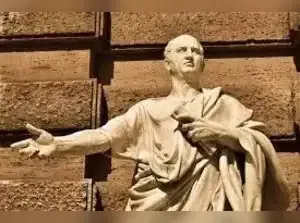
Quote of the day by Cicero: Empires rise and collapse. Leaders repeat old mistakes. Societies ignore lessons that history already tried to teach them centuries earlier. Long before modern politics, social media debates or global conflicts, the Roman philosopher and statesman Marcus Tullius Cicero understood something deeply important about human nature: people who refuse to learn from the past often remain emotionally, intellectually and politically immature.
“To be ignorant of what occurred before you were born is to remain always a child. For what is the worth of human life, unless it is woven into the life of our ancestors by the records of history?”
The thought creates a larger message about wisdom, humility and the importance of lifelong learning.
Iconic words by Cicero still feel painfully relevant today
For many people, Cicero’s quote feels surprisingly modern because it speaks directly to a problem that still exists everywhere today. In fast-moving societies, people often become obsessed with the present moment while ignoring the lessons hidden in history.
Cicero believed that history was not simply about memorising dates or studying old wars. To him, history was a guide for understanding human behaviour itself. Ambition, pride, greed, fear, loyalty, corruption and political division existed in ancient Rome just as they exist now.
That belief came from personal experience. Born in 106 BCE in Arpinum, Italy, Cicero rose from a wealthy provincial family to become one of the most influential voices in the Roman Republic. He built his reputation as a brilliant lawyer and orator, eventually serving as consul during one of Rome’s most dangerous political crises.
During the Catiline conspiracy in 63 BCE, Cicero famously exposed a plot to overthrow the Roman government. His speeches against Catiline became legendary and helped cement his reputation as one of history’s greatest orators. But his political life was also filled with betrayal, exile, shifting alliances and eventually tragedy.
As civil wars consumed Rome and powerful figures like Julius Caesar, Mark Antony and Augustus fought for control, Cicero repeatedly warned that the republic was collapsing because Romans had forgotten the values and lessons that once held their society together.
That fear is reflected in his quote about ignorance and childhood. He was not insulting people for lacking information. He was warning that without historical understanding, individuals become easier to manipulate, repeat the same mistakes and fail to recognise dangerous patterns.
What does Cicero’s quote teach us about maturity and learning?
The emotional power of the quote comes from the comparison between ignorance and childhood.
Children naturally see the world only through their immediate experience. They do not yet understand how past events shape present realities. Cicero believed adults who ignore history behave in much the same way. They react emotionally, repeat cycles blindly and fail to recognise how deeply connected human life is across generations.
The quote also carries another important lesson: wisdom is not automatic with age.
Many people grow older without truly growing intellectually. Cicero’s belief that “anyone who keeps learning stays young” suggests that curiosity itself keeps the mind alive. A person who continues reading, questioning, studying and reflecting remains mentally open to growth no matter how old they become.
That idea has helped Cicero’s words survive for centuries. Students, historians, political thinkers and ordinary readers still connect with his message because it applies far beyond ancient Rome. The quote speaks to education, politics, relationships and even personal growth.
It reminds people that maturity is not simply about experience. It is about understanding context, recognising patterns and learning from those who came before us.
Why Cicero’s legacy still matters centuries later
Cicero’s influence extended far beyond politics. His writings on philosophy, ethics, rhetoric and government shaped generations of thinkers across Europe. His works later influenced Renaissance scholars, Enlightenment philosophers and even modern democratic ideas.
He was also responsible for helping translate complex Greek philosophical ideas into Latin, creating much of the philosophical vocabulary still used today.
Yet perhaps the reason his words continue going viral online is because they feel less like distant philosophy and more like practical advice for modern life.
In an era dominated by short attention spans, instant reactions and endless information, Cicero’s quote encourages something slower and deeper: reflection.
It asks people to look beyond themselves and recognise that every generation inherits lessons from the ones before it.
Today, more than two thousand years after his death, Cicero’s warning still carries emotional weight. Not because ancient Rome disappeared, but because human nature never truly changed.
And maybe that is exactly why his words remain timeless: people who stop learning slowly stop growing, but those who continue seeking knowledge never become trapped by ignorance.
Quote of the Day by Rome's greatest orator Cicero
One of his most powerful reflections still resonates more than 2,000 years later:“To be ignorant of what occurred before you were born is to remain always a child. For what is the worth of human life, unless it is woven into the life of our ancestors by the records of history?”
The thought creates a larger message about wisdom, humility and the importance of lifelong learning.
Iconic words by Cicero still feel painfully relevant today
For many people, Cicero’s quote feels surprisingly modern because it speaks directly to a problem that still exists everywhere today. In fast-moving societies, people often become obsessed with the present moment while ignoring the lessons hidden in history.
Cicero believed that history was not simply about memorising dates or studying old wars. To him, history was a guide for understanding human behaviour itself. Ambition, pride, greed, fear, loyalty, corruption and political division existed in ancient Rome just as they exist now.
That belief came from personal experience. Born in 106 BCE in Arpinum, Italy, Cicero rose from a wealthy provincial family to become one of the most influential voices in the Roman Republic. He built his reputation as a brilliant lawyer and orator, eventually serving as consul during one of Rome’s most dangerous political crises.
During the Catiline conspiracy in 63 BCE, Cicero famously exposed a plot to overthrow the Roman government. His speeches against Catiline became legendary and helped cement his reputation as one of history’s greatest orators. But his political life was also filled with betrayal, exile, shifting alliances and eventually tragedy.
As civil wars consumed Rome and powerful figures like Julius Caesar, Mark Antony and Augustus fought for control, Cicero repeatedly warned that the republic was collapsing because Romans had forgotten the values and lessons that once held their society together.
That fear is reflected in his quote about ignorance and childhood. He was not insulting people for lacking information. He was warning that without historical understanding, individuals become easier to manipulate, repeat the same mistakes and fail to recognise dangerous patterns.
What does Cicero’s quote teach us about maturity and learning?
The emotional power of the quote comes from the comparison between ignorance and childhood.
Children naturally see the world only through their immediate experience. They do not yet understand how past events shape present realities. Cicero believed adults who ignore history behave in much the same way. They react emotionally, repeat cycles blindly and fail to recognise how deeply connected human life is across generations.
The quote also carries another important lesson: wisdom is not automatic with age.
Many people grow older without truly growing intellectually. Cicero’s belief that “anyone who keeps learning stays young” suggests that curiosity itself keeps the mind alive. A person who continues reading, questioning, studying and reflecting remains mentally open to growth no matter how old they become.
That idea has helped Cicero’s words survive for centuries. Students, historians, political thinkers and ordinary readers still connect with his message because it applies far beyond ancient Rome. The quote speaks to education, politics, relationships and even personal growth.
It reminds people that maturity is not simply about experience. It is about understanding context, recognising patterns and learning from those who came before us.
Why Cicero’s legacy still matters centuries later
Cicero’s influence extended far beyond politics. His writings on philosophy, ethics, rhetoric and government shaped generations of thinkers across Europe. His works later influenced Renaissance scholars, Enlightenment philosophers and even modern democratic ideas.
He was also responsible for helping translate complex Greek philosophical ideas into Latin, creating much of the philosophical vocabulary still used today.
Yet perhaps the reason his words continue going viral online is because they feel less like distant philosophy and more like practical advice for modern life.
In an era dominated by short attention spans, instant reactions and endless information, Cicero’s quote encourages something slower and deeper: reflection.
It asks people to look beyond themselves and recognise that every generation inherits lessons from the ones before it.
Today, more than two thousand years after his death, Cicero’s warning still carries emotional weight. Not because ancient Rome disappeared, but because human nature never truly changed.
And maybe that is exactly why his words remain timeless: people who stop learning slowly stop growing, but those who continue seeking knowledge never become trapped by ignorance.