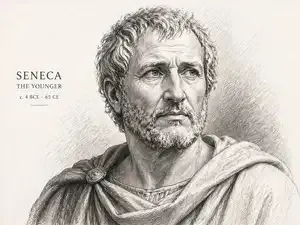
Quote of the day by Seneca continues to draw attention because of its message about purpose and direction in life. Seneca said, “If a man knows not to which port he sails, no wind is favorable.” The quote explains that opportunities alone cannot help a person who has no clear destination. Seneca was a Roman philosopher, statesman, orator and writer who played an important role during the reign of Emperor Nero. His teachings on Stoicism, self-control, time, hardship and leadership are still studied today. The quote is widely shared in discussions about life goals, career planning, success and personal discipline.
Quote of the day today
The quote is,
“If a man knows not to which port he sails, no wind is favorable.”
Quote meaning and relevance in modern life
The quote focuses on the importance of direction. Seneca used the image of a ship at sea to explain human life. A sailor without a destination cannot benefit from changing winds because there is no clear route to follow.
In modern life, the quote is often connected to goals, planning and decision-making. Many people work hard but still feel lost because they do not define what they want to achieve. Seneca’s words suggest that effort without direction may not lead to success.
The quote also connects with careers, education and relationships. Students need goals to guide their studies. Workers need plans to shape their future. People facing hardships often need a purpose to continue moving forward. The message explains that clarity can help people use opportunities wisely.
The teaching is also linked with Stoicism, the philosophy Seneca followed. Stoicism teaches people to focus on discipline, reason and control over emotions. Seneca believed people should guide their minds carefully and avoid confusion caused by fear, anger or uncertainty.
Life lessons from the quote
One lesson from the quote is that success requires clear goals. People who know what they want can make better decisions. Without direction, even helpful opportunities may not bring results.
Another lesson is the importance of preparation. Seneca believed that people should think carefully about their actions and future plans. A person with a goal can prepare for problems and hardships more effectively.
The quote also teaches patience. Progress may take time, but people with a clear purpose are more likely to continue their journey. Seneca’s philosophy encouraged endurance during difficult situations.
The quote further explains the importance of self-awareness. People must understand their values and priorities before choosing a path. Seneca believed that wisdom begins with understanding oneself.
Another lesson is about responsibility. The quote suggests that people should not depend only on luck or external events. Instead, they should create direction through planning and discipline.
Early life of Seneca
Seneca was born around 4 BCE in Corduba, now called Córdoba, in Spain. His full name was Lucius Annaeus Seneca, and he is also known as Seneca the Younger. He came from a wealthy and educated family. His father, Seneca the Elder, was known in Rome as a teacher of rhetoric. His mother, Helvia, was respected for her education and character.
Seneca had two brothers. His elder brother Gallio is known for meeting St. Paul the Apostle in Achaea in 52 CE. His younger brother became the father of the poet Lucan. As a child, Seneca moved to Rome with an aunt. There he studied philosophy and trained as an orator. He learned in the school of the Sextii, which combined Stoicism with Neo-Pythagorean teachings. His health problems later took him to Egypt, where his aunt lived with her husband, Gaius Galerius. After recovering, Seneca returned to Rome around 31 CE and entered politics and law.
Seneca’s political career and exile
Seneca’s political career faced several challenges. During the reign of Emperor Caligula, he reportedly angered the ruler. According to historical accounts, Caligula did not order his death because he believed Seneca’s health was weak.
In 41 CE, Emperor Claudius exiled Seneca to Corsica. He was accused of adultery with Julia Livilla, the emperor’s niece. During his exile, Seneca studied philosophy and natural science. He also wrote works known as the “Consolationes.” In 49 CE, Julia Agrippina helped secure his return to Rome. Seneca then became praetor and later tutor to Nero, who would become emperor.
After Emperor Claudius died in 54 CE, Seneca and Sextus Afranius Burrus gained influence in the Roman government. Seneca drafted Nero’s first public speech, which promised reforms and greater freedom for the Senate. Historical records show that Seneca and Burrus introduced fiscal and judicial reforms. They also promoted more humane treatment of slaves.
However, Seneca’s political position weakened after Burrus died in 62 CE. Seneca withdrew from public life and focused on writing philosophical works. In 65 CE, he was accused of involvement in a conspiracy against Nero. Ordered to commit suicide, Seneca accepted death calmly according to accounts from Roman historians.
Philosophical works and literary influence
Seneca wrote many philosophical works that explored anger, mercy, time, morality and peace of mind. His “De Ira” discussed anger and how to control it. “De Clementia” advised rulers to show mercy. “De Brevitate Vitae” argued that life is long enough when time is used properly.
His “Moral Letters to Lucilius” became one of his most studied works. The collection contains 124 essays discussing moral and philosophical problems. Seneca also wrote tragedies that influenced later European literature. His dramatic works shaped revenge tragedies in England. Writers including William Shakespeare were influenced by Seneca’s themes involving revenge, ghosts and tyrants.
His works later influenced Christian thinkers including Saint Augustine and Saint Jerome. During the Renaissance, writers such as Jean-Jacques Rousseau and John Calvin also studied his ideas.
Influence of Seneca in modern times
Seneca’s teachings remain popular because they discuss problems that still affect people today. Topics such as stress, time management, discipline and emotional control continue to connect with modern readers.
His Stoic philosophy is often discussed in books, podcasts and online discussions about self-improvement and leadership. Many readers return to his writings for guidance during difficult situations.
The quote about sailing without a destination continues to appear in discussions about career choices, education, business and mental focus. It reminds people that opportunities are useful only when connected to a clear purpose.
Quote of the day today
The quote is, “If a man knows not to which port he sails, no wind is favorable.”
Quote meaning and relevance in modern life
The quote focuses on the importance of direction. Seneca used the image of a ship at sea to explain human life. A sailor without a destination cannot benefit from changing winds because there is no clear route to follow.In modern life, the quote is often connected to goals, planning and decision-making. Many people work hard but still feel lost because they do not define what they want to achieve. Seneca’s words suggest that effort without direction may not lead to success.
The quote also connects with careers, education and relationships. Students need goals to guide their studies. Workers need plans to shape their future. People facing hardships often need a purpose to continue moving forward. The message explains that clarity can help people use opportunities wisely.
The teaching is also linked with Stoicism, the philosophy Seneca followed. Stoicism teaches people to focus on discipline, reason and control over emotions. Seneca believed people should guide their minds carefully and avoid confusion caused by fear, anger or uncertainty.
Life lessons from the quote
One lesson from the quote is that success requires clear goals. People who know what they want can make better decisions. Without direction, even helpful opportunities may not bring results.Another lesson is the importance of preparation. Seneca believed that people should think carefully about their actions and future plans. A person with a goal can prepare for problems and hardships more effectively.
The quote also teaches patience. Progress may take time, but people with a clear purpose are more likely to continue their journey. Seneca’s philosophy encouraged endurance during difficult situations.
The quote further explains the importance of self-awareness. People must understand their values and priorities before choosing a path. Seneca believed that wisdom begins with understanding oneself.
Another lesson is about responsibility. The quote suggests that people should not depend only on luck or external events. Instead, they should create direction through planning and discipline.
Early life of Seneca
Seneca was born around 4 BCE in Corduba, now called Córdoba, in Spain. His full name was Lucius Annaeus Seneca, and he is also known as Seneca the Younger. He came from a wealthy and educated family. His father, Seneca the Elder, was known in Rome as a teacher of rhetoric. His mother, Helvia, was respected for her education and character.Seneca had two brothers. His elder brother Gallio is known for meeting St. Paul the Apostle in Achaea in 52 CE. His younger brother became the father of the poet Lucan. As a child, Seneca moved to Rome with an aunt. There he studied philosophy and trained as an orator. He learned in the school of the Sextii, which combined Stoicism with Neo-Pythagorean teachings. His health problems later took him to Egypt, where his aunt lived with her husband, Gaius Galerius. After recovering, Seneca returned to Rome around 31 CE and entered politics and law.
Seneca’s political career and exile
Seneca’s political career faced several challenges. During the reign of Emperor Caligula, he reportedly angered the ruler. According to historical accounts, Caligula did not order his death because he believed Seneca’s health was weak.In 41 CE, Emperor Claudius exiled Seneca to Corsica. He was accused of adultery with Julia Livilla, the emperor’s niece. During his exile, Seneca studied philosophy and natural science. He also wrote works known as the “Consolationes.” In 49 CE, Julia Agrippina helped secure his return to Rome. Seneca then became praetor and later tutor to Nero, who would become emperor.
After Emperor Claudius died in 54 CE, Seneca and Sextus Afranius Burrus gained influence in the Roman government. Seneca drafted Nero’s first public speech, which promised reforms and greater freedom for the Senate. Historical records show that Seneca and Burrus introduced fiscal and judicial reforms. They also promoted more humane treatment of slaves.
However, Seneca’s political position weakened after Burrus died in 62 CE. Seneca withdrew from public life and focused on writing philosophical works. In 65 CE, he was accused of involvement in a conspiracy against Nero. Ordered to commit suicide, Seneca accepted death calmly according to accounts from Roman historians.
Philosophical works and literary influence
Seneca wrote many philosophical works that explored anger, mercy, time, morality and peace of mind. His “De Ira” discussed anger and how to control it. “De Clementia” advised rulers to show mercy. “De Brevitate Vitae” argued that life is long enough when time is used properly.His “Moral Letters to Lucilius” became one of his most studied works. The collection contains 124 essays discussing moral and philosophical problems. Seneca also wrote tragedies that influenced later European literature. His dramatic works shaped revenge tragedies in England. Writers including William Shakespeare were influenced by Seneca’s themes involving revenge, ghosts and tyrants.
His works later influenced Christian thinkers including Saint Augustine and Saint Jerome. During the Renaissance, writers such as Jean-Jacques Rousseau and John Calvin also studied his ideas.
Influence of Seneca in modern times
Seneca’s teachings remain popular because they discuss problems that still affect people today. Topics such as stress, time management, discipline and emotional control continue to connect with modern readers.His Stoic philosophy is often discussed in books, podcasts and online discussions about self-improvement and leadership. Many readers return to his writings for guidance during difficult situations.
The quote about sailing without a destination continues to appear in discussions about career choices, education, business and mental focus. It reminds people that opportunities are useful only when connected to a clear purpose.