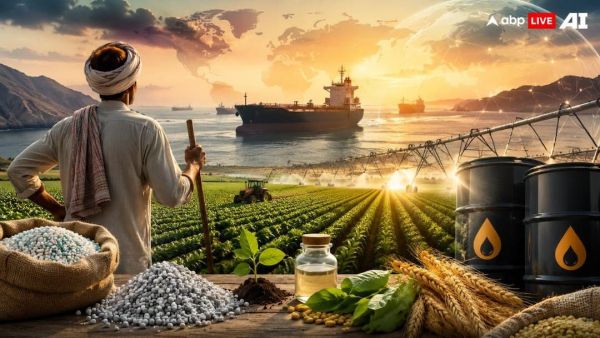
The rising tensions around the Strait of Hormuz are not just a geopolitical concern; they carry direct implications for India’s agricultural economy and millions of farmers dependent on stable input supplies. Higher energy costs, delayed imports, and supply uncertainty can impact everything from fertilisers to crop protection products and even seeds. And in the end, it is the farmer who feels the pressure.
But moments like these also push countries to rethink their approach. They raise a simple question: should agriculture continue to depend heavily on global supply chains, or become more efficient and self-reliant?
Moving Beyond Input Dependency
India’s challenge today is not just about availability of agri-inputs, but about how effectively they are being used. Over the years, input usage has often been more about quantity than need. Whether it is fertilisers, pesticides, or even water, imbalanced use has reduced efficiency at the farm level. Farmers are using more, but not always getting better results.
Soil Health and Farm Sustainability
This is especially visible in soil health. Continuous and uneven input use has weakened soil structure in many regions. Productivity gains are slowing, input costs are rising, and returns are becoming less predictable. The issue is no longer about adding more inputs it is about using the right input, in the right way, at the right time.
The Need for Smarter Input Use
The way forward lies in better targeting and smarter use of agri-inputs. Precision farming practices, soil testing, and need-based application can significantly improve outcomes. When inputs are aligned with crop and soil requirements, farmers can reduce waste, lower costs, and maintain productivity.
India has already taken steps in this direction. Digital platforms and direct benefit systems have started improving how inputs are distributed. Some state-level initiatives have shown that when access is monitored and usage is guided, overall consumption can come down without affecting yields. This is an important shift, moving from volume-driven use to efficiency-driven use.
At the same time, there is growing space for alternative solutions such as bio-stimulants, biological crop protection, and climate-resilient seeds. These are not replacements, but complements that can help reduce pressure on conventional inputs while improving sustainability.
The Hormuz situation also highlights a larger strategic need to reduce vulnerability. While strengthening domestic manufacturing is important, the quickest gains can come from improving efficiency. Every input that is used more effectively reduces vulnerability to global disruptions and helps stabilise farm economics.
A Shift in Mindset for Indian Agriculture
What is needed now is a shift in mindset. The focus should move from “more input” to “better input use.” This requires alignment between policy, industry innovation, and farmer awareness.
In the long run, India’s agricultural strength will not come from higher consumption, but from smarter utilisation. The goal is not just to protect yields, but to protect the soil and improve resilience.
The current global situation is a reminder that efficiency is no longer optional, it is essential. If used wisely, this disruption can become an opportunity to build a more balanced, sustainable, and resilient agri-input ecosystem in India.
-
Eid-ul-Adha 2026 Wishes: Send these heart-touching messages to friends and relatives on Bakrid, reply will come immediately.

-
According to Manusmriti, is love marriage appropriate or not? Know the whole truth

-
Japan Foreign Minister Indulges In Filter Coffee, Gulab Jamun In India

-
27th or 28th May, when will Bakrid 2026 be celebrated? Know the exact date of Eid-ul-Azha and the importance of sacrifice

-
Railway Ministry approves the country’s first hydrogen train, know where it will start?