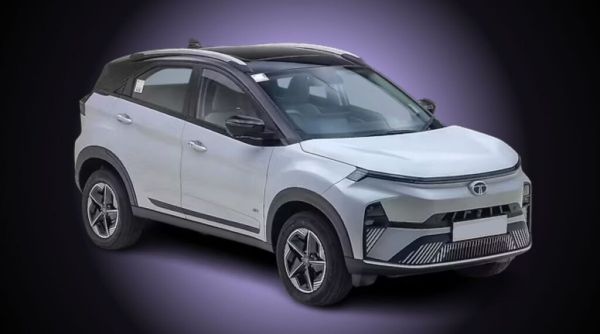
EV vs Petrol: Awareness and discussion about electric vehicles (EVs) has increased rapidly in the last few years in India. The government is also continuously encouraging people to adopt electric vehicles instead of petrol and diesel, so that pollution can be reduced and dependence on fuel can be reduced. Prime Minister Narendra Modi has also appealed to adopt electric mobility on many occasions. Despite this, current sales figures show that most of the customers in the country still prefer conventional fuel vehicles.
Demand for petrol and CNG cars
At present the share of electric cars in India is around 5 to 6 percent. That means EVs account for a very small share in total sales, while most consumers still consider petrol, diesel and CNG vehicles more reliable. Especially the demand for petrol and CNG cars of companies like Maruti Suzuki remains strong. Although the EV segment is gradually growing, it has not yet reached a position to compete with mainstream vehicles.
Fear of running out of battery while traveling
According to experts, consumer confidence in electric cars in India has not been fully developed. Many people still see them as second cars, while hesitant to adopt them as their main vehicle. The biggest reason for this is ‘range anxiety’, i.e. the fear of running out of battery, especially during long distance travel. Along with this, the limited network of charging stations in the country also remains a big challenge.
EV car price 20 to 30 lakh rupees
Price is also a significant barrier to EV adoption. The price of electric cars that offer good range usually reaches Rs 20 to 30 lakh, which is quite high for middle class consumers. In comparison, petrol and CNG cars are easily available at relatively lower prices, making them a more attractive option.
A major feature of EV
However, a major feature of EV is its low running cost. According to reports, the cost of driving an electric car on charging at home comes to around Rs 1 to 2 per kilometer, while in fast charging it can be up to Rs 2 to 3 per kilometer. Whereas in petrol and diesel vehicles this cost reaches Rs 4 to Rs 10 per kilometer. That is, electric vehicles may prove to be quite economical in the long run, but the initial cost still affects people.
Best companies showed interest
The EV sector is not completely weak. New electric cars from companies like Tata Motors, Mahindra, MG Motor and Hyundai have increased interest in the market. Gradually, improvement in sales is also being seen, but it may take time for EV adoption on a large scale in India. For this, further improvement in charging infrastructure, battery technology and prices is considered necessary.
-
Ranveer Singh To Make A Cameo In Shah Rukh Khan’s King: Report

-
Inside Armenia: Where Ancient Monasteries And Daily Life Become One Living Faith

-
Maharashtra Board Begins Offline Distribution Of HSC Marksheet 2026 And Certificates From Today; Check Official Notice Here
-
Hacked Or Deleted? Salman Khan's Instagram Account Disappears Suddenly; Fans Express Concern

-
Hera Pheri 3 Controversy: Director Priyadarshan Breaks Silence On Paresh Rawal's Exit Again