
Listen to this article in summarized format
Loading...
××
Subscribe to

Unlock AI Briefing and Premium Content
New Year Offer 24 Hours Left
Subscribe NowAlready a member? Sign In
What's Included
- Exclusive Stories
- Daily ePaper Access
- Smart Market Tools
- Curated Investment Ideas
- Ad-lite Experience
Subscription

Centre releases draft rules for VB-GRAM G Act, 2025; invites public consultation ahead of July 1 rollout
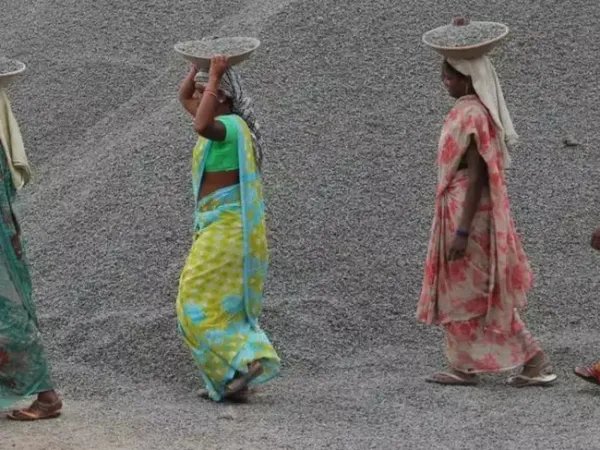
The Centre on Saturday notified draft rules under the Viksit Bharat – Guarantee for Rozgar and Ajeevika Mission (Gramin) Act, 2025 (VB–G RAM G) for public consultation ahead of its nationwide implementation across all states and Union Territories from July 1.
Framed under Section 33 and other provisions of the Act, the draft rules have been placed in the public domain to enable wider stakeholder consultation before finalisation.
According to officials in the Ministry of Rural Development, the rules aim to establish the institutional, administrative, financial, and governance framework required for implementing the new rural employment guarantee scheme across the country. The consultation process is intended to ensure participatory governance and invite feedback from states, institutions, experts, civil society organisations, and the public.
The proposed rules cover transitional provisions, the National Level Steering Committee, the Central Gramin Rozgar Guarantee Council, administrative expenses, grievance redressal mechanisms, payment of wages and unemployment allowance, and expenditure beyond normative allocations, including provisions for Union Territories without legislatures.
The draft Transitional Provisions Rules also outline the framework for the shift from MGNREGA to VB–G RAM G, which will replace the existing rural employment guarantee programme. These provisions ensure continuity of ongoing works, settlement of liabilities, transfer of records, validity of e-KYC verified job cards, and protection of workers’ rights during the transition period until states formally notify the new scheme.
(With inputs from agencies)
Framed under Section 33 and other provisions of the Act, the draft rules have been placed in the public domain to enable wider stakeholder consultation before finalisation.
According to officials in the Ministry of Rural Development, the rules aim to establish the institutional, administrative, financial, and governance framework required for implementing the new rural employment guarantee scheme across the country. The consultation process is intended to ensure participatory governance and invite feedback from states, institutions, experts, civil society organisations, and the public.
The proposed rules cover transitional provisions, the National Level Steering Committee, the Central Gramin Rozgar Guarantee Council, administrative expenses, grievance redressal mechanisms, payment of wages and unemployment allowance, and expenditure beyond normative allocations, including provisions for Union Territories without legislatures.
The draft Transitional Provisions Rules also outline the framework for the shift from MGNREGA to VB–G RAM G, which will replace the existing rural employment guarantee programme. These provisions ensure continuity of ongoing works, settlement of liabilities, transfer of records, validity of e-KYC verified job cards, and protection of workers’ rights during the transition period until states formally notify the new scheme.
(With inputs from agencies)