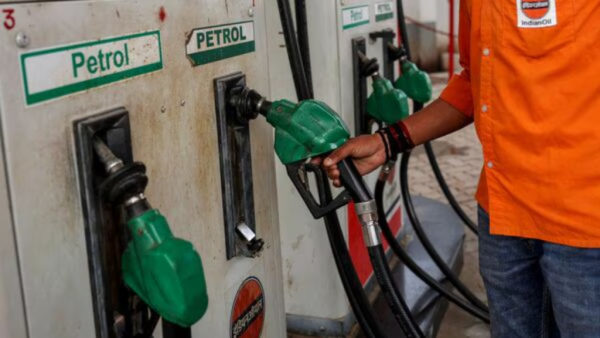
Petrol and diesel prices have increased for the third time and after that, the fear of inflation is starting to creep into the minds of the middle class. Prime Minister Narendra Modi had recently given a clear indication that fuel prices will rise in the coming days, urging citizens to save fuel. The Petroleum Minister had also clearly stated that the oil companies are facing a loss of Rs 1,000 crore per day and after a certain limit, it will be impossible to stop them from raising prices. Their fears came true and in the last 10 days the price of petrol has increased by almost Rs 5 per litre. Now the question arises, if petrol and diesel are brought under the ambit of GST like other goods, how much relief will it bring per litre? Let’s know this in detail
New Labor Code: Employees will get Rs 500 extra if ‘this’ thing is not available in the office, what is the special rule?
Before calculating the potential benefits of bringing petrol and diesel under the ambit of GST, let us first understand the current tax burden on both these fuels. Let us start with petrol. On May 23, petrol price in Delhi increased to Rs 99.51 per litre. Out of this amount, only the actual base price of petrol was Rs 66.29. On this, the central government levies an excise duty of Rs 11.90 per litre, while the Delhi government levies a ‘value added tax’ of Rs 16.03; In addition, dealers are paid a commission of Rs 4.42 per litre.
Diesel is currently taxed more
Currently, like petrol, diesel is taxed significantly more. In Delhi, the basic base price of diesel is ₹67.36 per litre. At this rate, the central government levies an excise duty of ₹7.80, while the Delhi government collects ‘VAT’ of ₹13.39. Additionally, distributors are paid a commission of ₹3.03 per litre. The combined effect of these three factors increases the price of diesel to ₹92.49 per litre.
Total tax on petrol and diesel
As you can see, there are currently three different types of additional taxes applicable on petrol and diesel. Adding these three factors, the total tax burden on petrol falls to around 42 per cent, while diesel is taxed at 32 per cent. Precisely because of this reason, petrol and diesel are relatively cheap when they come out of the refinery. However, they become very expensive until they reach the market. With a view to relief from the burden of these taxes, trade associations have demanded bringing petroleum products under the purview of ‘Goods and Services Tax’.
What are the benefits of implementing 18% GST?
If petrol and diesel are brought under the GST system, how much will it benefit the common man? We can answer this question by referring to two specific tax-categories of GST. If petrol is included in the 18 per cent GST bracket, the base price of petrol i.e. excluding taxes in Delhi will be ₹66.29 per litre. If 18 per cent GST is applied to this base rate, the total share of tax will be ₹11.93 and thus the final price of petrol will be ₹78.22 per litre.
Post Office’s ‘This’ scheme will provide maximum, risk-free guaranteed income of Rs 10000 per month
-
Hasan Raheem’s wedding wins hearts beyond his music fans

-
Nautapa 2026: Keep your body cool in the scorching heat, include these special vegetables in your diet…

-
Professor Believes His Outstanding Students Not Getting Job Offers Is An Irreversible Trend

-
Daily Tarot Horoscopes For Each Zodiac Sign On Sunday, May 24, 2026

-
Are subscription prices next in line? Iran mulls taxing undersea internet cables- The Week