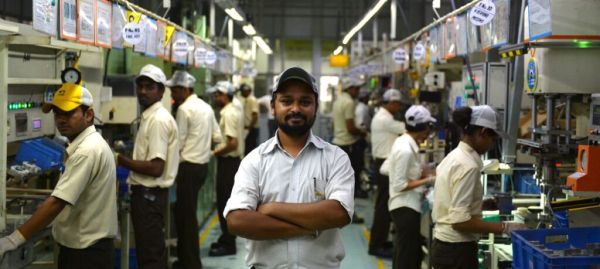
India’s massive contract workforce could soon receive a significant financial boost under the proposed labour code reforms.
According to reports, the new labour framework may require employers to provide at least two wage revisions or increments annually for contract workers.
The development is being seen as an important step toward improving income predictability and worker protection in sectors heavily dependent on temporary and contractual employment.
India currently has millions of workers employed under contractual arrangements across industries such as construction, logistics, manufacturing, retail, hospitality, healthcare, telecom, and IT-enabled services.
Many of these employees often face inconsistent salary growth compared to permanent staff.
Why The Proposed Change Matters
Contract workers form a critical part of India’s economy, especially in operational and labour-intensive industries.
However, unlike permanent employees, contract staff frequently receive limited benefits, lower job security, and slower salary progression.
The proposed rule around mandatory annual increments aims to reduce some of these inequalities and ensure that contract employees also benefit from wage growth over time.
Labour experts believe the reform could improve:
- Financial stability for workers
- Employee retention
- Workforce morale
- Standardization of compensation practices
- Social security coverage awareness
The move also reflects growing concerns around the rapid expansion of India’s flexible workforce economy.
Permanent Employees vs Contract Workers
| Factor | Permanent Employees | Contract Workers |
|---|---|---|
| Job Security | Higher | Lower |
| Salary Growth | Structured increments | Often inconsistent |
| Employee Benefits | Extensive | Limited |
| Long-Term Stability | Higher | Lower |
| Employer Flexibility | Lower | Higher |
| Workforce Cost | Higher | Lower |
| New Labour Code Impact | Moderate | Potentially significant |
The table highlights why the proposed labour reform could particularly benefit contractual employees.
Industries Most Likely To Be Affected
The new wage increment requirement could impact sectors that heavily depend on contract staffing.
These include:
- Manufacturing
- Warehousing and logistics
- E-commerce operations
- Retail chains
- Security services
- Hospitality
- Telecom infrastructure
- Facility management
- IT support services
Companies may now need to redesign compensation planning and workforce budgeting to comply with the updated labour standards.
Some businesses may also reconsider the balance between permanent and contractual hiring structures.
Companies May Face Higher Compliance Pressure
While worker groups have welcomed the proposal, industry experts believe implementation could create new compliance and cost challenges for employers.
Businesses relying on large contractual workforces may witness:
- Higher annual labour costs
- Increased payroll complexity
- Greater contractor monitoring requirements
- Revised vendor agreements
- More scrutiny around labour practices
However, experts also argue that improved compensation structures may reduce employee turnover and improve productivity over time.
Labour Reforms Arrive During AI-Driven Workforce Changes
Interestingly, the proposed labour reforms are emerging at a time when India’s hiring ecosystem itself is undergoing major transformation due to artificial intelligence and automation.
Many companies are increasingly shifting toward flexible staffing and contract-based employment models to remain agile in an AI-driven economy.
This has raised concerns around worker protection, financial security, and long-term employment stability.
The proposed increment rule appears aimed at balancing workforce flexibility with minimum employee welfare safeguards.
Contract Workforce Becoming More Important In India
India’s gig economy and contractual employment ecosystem have expanded rapidly over the past decade.
Companies today increasingly rely on project-based workers, temporary staff, consultants, and outsourced teams for operational efficiency and cost optimization.
Experts believe future labour policies will likely focus more on:
- Wage transparency
- Social security access
- Skill development
- Health benefits
- Structured compensation growth
The latest proposal could become one of the most important labour- developments for India’s non-permanent workforce in recent years.
Final Framework Still Awaited
While the proposal has generated strong discussion, the final implementation details, timelines, and compliance mechanisms are still expected to evolve.
Industry bodies, labour unions, contractors, and state governments may continue consultations before the framework is fully operationalized nationwide.
Still, the message is becoming increasingly clear — India’s labour ecosystem is gradually moving toward stronger protections even for workers outside traditional permanent employment structures.
-
Sonu Nigam’s ‘The Revolution’ world tour to kick off in Abu Dhabi

-
Religious conversion is like throwing salt on Sanatan tree: IRS officer

-
Centre offers Article 371-style safeguards, legislative body for Ladakh

-
Five Record-Breaking Moments And Stats From IPL That Still Remain Iconic

-
WWE Star Arrested For Allegedly Beating Up Neighbor Over Elevator Kissing Comment