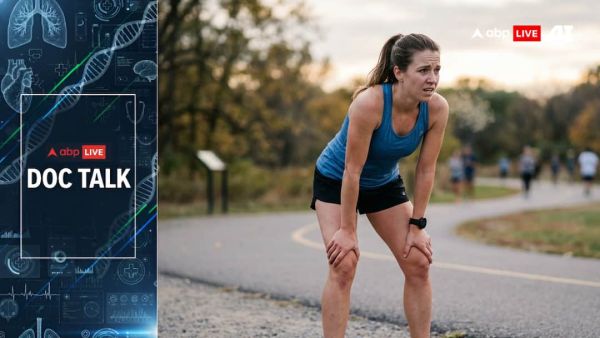
Exercise-induced Asthma (more accurately termed ‘Exercise-induced Bronchoconstriction’) was a challenge to a long-established tenet of public health: that being physically fit equates to having a sturdy respiratory system. Even physically fit, elite-level athletes are typically in good condition, they are still physiologically susceptible to constricting airways during a physical activity. Recent research suggests that Exercise-induced Bronchoconstriction affects an estimated 5-20% of the general population, including individuals with no previous diagnosis of Asthma, demonstrating that being fit does not guarantee one will be free from exercise-induced respiratory problems.
How Fast Breathing Affects Lungs
In its simplest form, exercise-induced bronchconstriction is not triggered by exercise itself, but by how the body reacts to having to breathe faster (higher ventilation). When someone suddenly starts exercising at a high level, their method of breathing changes from a nasal to an oral route. This change in how air flows into the lungs increases the volume of relatively cooler, drier, and sometimes polluted air being inhaled into the lungs. This increased volume of airflow is warmed and humidified by the lungs prior to entering the lower airways.
Hidden Signs Of Exercise-Induced Bronchoconstriction
In individuals who are susceptible to this condition, the rapid influx of air into the lungs can cause inflammatory and vascular changes leading to the temporary constriction of the airways. Therefore, even a healthy athlete may experience some of the symptoms associated with exercise-induced bronchoconstriction, including coughing, chest tightness, wheezing, or unexplained fatigue occurring during or shortly after the exercise event. However, most of these symptoms have been attributed to poor stamina as opposed to being caused by an airway condition.
This condition is especially relevant today due to its high prevalence among both competitive athletes and physically active individuals. Research suggests that as many as 15–30% of Olympic athletes may experience related symptoms. Studies also indicate that athletes often report higher rates of symptoms compared to other professionals, largely due to sport-specific environmental exposures such as chlorine in swimming, cold air during endurance running, and pollutants in certain training settings.
When Fitness Becomes A Risk Factor
In addition, many athletes exhibit symptoms caused by Bronchospasm during exercise; findings point toward the development of Bronchospasm being a byproduct of high-performance training rather than an independent manifestation created by exposure to hazardous environmental conditions. This indicates a substantial narrative change regarding fitness; at competitive levels, fitness should be viewed simultaneously as both a protective factor and/or a contributing factor, based on the interplay of physiology and environment.
This disorder is closely related to other facets of the environment and the health of urban populations. There is a clear connection between exposure to polluted air, high pollen count, and irritants (e.g., smoke and other industrial byproducts) both locally and at the international level, especially in cities (i.e., high population density geographies). Furthermore, repeated airway dehydration and microtrauma to airways from high levels of airflow caused by endurance exercise may lead to increased sensitivity to the airway over time, indicating that the cumulative exposure has a strong impact on the development of disease.
The Silent Impact Of Airway Inflammation
Underdiagnosis of airway disease presents another major barrier. Many athletes use normalizing behaviours to deal with symptoms they experience (breathlessness and/or reduced performance during training) but instead assume those experiences are simply related to fatigue from training. However, using only self-reported symptoms to diagnose patients can be misleading; therefore, objective testing is often necessary to confirm a diagnosis. Failure to identify this condition in a timely manner may keep an athlete from ever realizing their full performance potential and may also result in long-term airway inflammation. This issue can complicate clinicians’ management of patients with potential airway disease, and may also pose a broader public health concern, as delayed identification can lead to unnecessary performance loss & continued airway inflammation.”
The narrative from a management perspective is enabling rather than limiting. There is strong evidence that people with exercise-induced Asthma can participate in high levels of physical activity if they receive proper recognition and intervention. Strategies to prevent Asthma symptoms are effective for people with exercise-induced Asthma, including; structured warm-up routines, modifying their environment, and providing them with medication support when needed. In addition, engaging in regular exercise will help improve lung function and reduce inflammation when the asthma is well controlled. Thus, avoiding physical activity is not the solution when an individual has exercise-induced Asthma.
Exercise-induced bronchoconstriction is an often-ignored area of health, but with increased adoption of endurance sport and high-intensity training or outdoor activity, this important consideration becomes crucial. The focus of the conversation on fitness and health can now shift towards understanding that even the healthiest athletes will need a tailored approach to their respiratory awareness. Early identification of the condition along with structured management will allow athletes to not only maintain their performance but also to optimize it by turning something that could be seen as a limitation, into a manageable factor in their overall fitness environment.
Disclaimer: The information provided in the article is shared by experts and is intended for general informational purposes only. It is not a substitute for professional medical advice, diagnosis, or treatment. Always seek the advice of your physician or other qualified healthcare provider with any questions you may have regarding a medical condition.
-
Cockroach Janta Party founder’s parents say they won’t let him join politics

-
UGC NET exam registration deadline extended till May 23

-
Cockroach Janta Party account blocked on X but bigger than BJP on Instagram

-
Muslim woman frisked, called Bangladeshi on Assam train

-
Rupee Rebounds From Record Low, Rises 18 Paise Against US Dollar