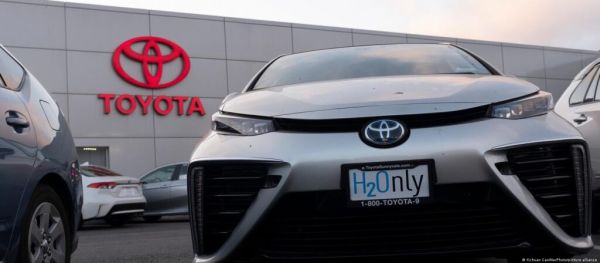
Germany and Japan are stepping up their clean mobility ambitions with a renewed push toward hydrogen-powered transportation, as automakers BMW and Toyota deepen their collaboration on next-generation fuel cell technology.
The momentum became visible during German Transport Minister Patrick Schnieder’s recent visit to Japan, where he arrived at Toyota’s fuel cell facility in a BMW iX5 Hydrogen and later departed in Toyota’s Crown fuel-cell electric vehicle. The symbolic exchange of vehicles highlighted a growing partnership between two industrial giants aiming to reduce dependence on fossil fuels and battery-only electric mobility.
BMW and Toyota are currently co-developing the third generation of hydrogen fuel cell systems, a project both companies believe could reshape the future of long-distance and commercial transportation. As part of the collaboration, BMW has stationed engineers in Japan to work directly alongside Toyota’s hydrogen development teams.
BMW and Toyota Preparing Next-Generation Fuel Cell Systems
The new fuel cell technology under development is expected to be smaller, more energy efficient, and easier to mass produce. Once development is complete, BMW plans to manufacture the system in Austria, while Toyota will build its own production line in Japan.
BMW has already confirmed plans to launch its first mass-produced hydrogen-powered vehicle by 2028. Toyota, meanwhile, is expected to upgrade its existing hydrogen models with the new fuel cell architecture, although detailed specifications are yet to be announced.
Speaking during the visit, Schnieder described the partnership as “groundbreaking” for the future of hydrogen mobility.
He stressed that hydrogen would play a critical role in diversifying clean transportation technologies, especially for sectors where battery-electric solutions may face limitations, including heavy-duty logistics and long-haul commercial transport.
Hydrogen Infrastructure Still Faces Major Challenges
Despite the optimism, both Germany and Japan still face significant infrastructure and cost- hurdles before hydrogen can become mainstream.
Germany expects demand for green hydrogen to rise sharply by 2030, particularly in transport and industrial manufacturing. However, domestic production alone will not meet projected requirements, forcing the country to rely heavily on imports.
Japan is pursuing a similar strategy while also investing in ammonia-based hydrogen transport systems as an interim solution. The country aims to expand hydrogen supply capacity to 12 million tons annually by 2040.
During his trip, Schnieder visited Kobe’s liquid hydrogen terminal and Kansai Airport, where hydrogen-powered buses and forklifts are currently operating under pilot programs. The projects demonstrate technical feasibility but also underline how early-stage the ecosystem remains.
Germany Moving Faster on Commercial Hydrogen Transport
Germany has taken a more aggressive approach toward hydrogen infrastructure for commercial vehicles.
Earlier this year, the German government allocated €220 million to establish up to 40 hydrogen refueling stations and deploy hundreds of hydrogen-powered trucks nationwide. Daimler Truck has also begun operating Germany’s first liquid hydrogen refueling station for heavy-duty vehicles.
Japan, on the other hand, is still largely dependent on compressed hydrogen systems. Daimler’s Japanese subsidiary Fuso recently introduced Japan’s first liquid hydrogen-powered truck concept, but widespread deployment remains distant due to the lack of compatible infrastructure.
Meanwhile, Toyota subsidiary Hino has already launched a hydrogen-powered heavy truck using fuel cell technology derived from the Toyota Mirai sedan.
Hydrogen’s Future May Depend on Global Collaboration
As countries race toward carbon neutrality, Germany and Japan appear increasingly aligned in their belief that hydrogen will become a crucial pillar of future transportation.
While battery-electric vehicles are expected to dominate passenger mobility, hydrogen is gaining traction as a viable solution for freight, aviation support, industrial operations, and long-range transport.
For now, hydrogen mobility remains a niche segment. But with governments investing heavily and automakers like BMW, Toyota, Daimler, and Hino pushing technological development forward, the global hydrogen race is beginning to accelerate.
-
Tired of always eating kandapohe-upma? Then make beetroot idli for kids in the morning breakfast, note the recipe

-
Benefits of Banana: What will happen if you eat a banana daily, you will see amazing changes; Get started today

-
Heat wave: health crisis and prevention measures

-
Apple Launches AI-Powered Accessibility Features: Smarter VoiceOver, Auto Subtitles, And Vision Pro Wheelchair Support — Check All New Features Inside

-
EPFO Balance Check : You can check your PF balance with just one Hello, know this feature step by step