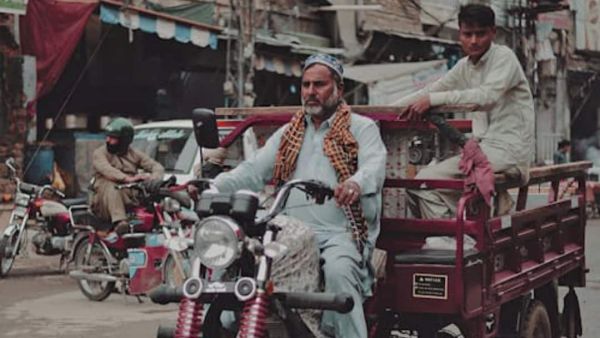
In a move steeped in history and symbolism, Pakistan’s Punjab provincial government has approved the restoration of several roads and neighbourhoods in Lahore to their original pre-Partition names, according to officials cited by PTI. The decision forms part of the larger Lahore Heritage Areas Revival project, championed by former Pakistan Prime Minister Nawaz Sharif. The initiative seeks to revive the historic identity of Lahore’s old quarters, many of which underwent name changes after the Partition of 1947.
Over the decades, several roads, parks, and localities associated with colonial, Hindu, or Sikh heritage were renamed to reflect Islamic or nationalist narratives. The latest move signals a renewed attempt to acknowledge Lahore’s layered and multicultural past.
Historic Lahore Names Make A Comeback
Among the roads and areas set to regain their earlier identities are Queen’s Road, Jail Road, Davies Road, Lawrence Road, Empress Road, Krishan Nagar, Santnagar, Dharampura, Brandreth Road, Ram Gali, Tempbell Street, Laxmi Chowk, Jain Mandir Road, Kumharpura, Mohan Lal Bazaar, Sundar Das Road, Bhagwan Pura, Shanti Nagar, and Outfall Road, as per reports.
Authorities have already begun installing signboards bearing the restored names in various parts of Lahore. So far, nine locations have officially reverted to their historic titles.
Lakshmi Chowk, previously renamed Maulana Zafar Ali Khan Chowk, has once again adopted its old name. Similarly, Davis Road, which had been renamed Sir Aga Khan Road, and Queens Road, formerly Fatima Jinnah Road, are also reverting to their original identities.
Even Lahore’s iconic Lawrence Gardens, known for decades as Bagh-e-Jinnah, is set to reclaim its colonial-era title.
Acknowledging Lahore’s Multicultural Legacy
For many Lahoris, the older names never vanished from daily conversation despite official changes. Residents continued to use several traditional names informally, preserving memories of the city’s pre-Partition character.
The restoration project openly embraces Lahore’s intertwined Muslim, Sikh, Hindu, Christian, and colonial histories. Located barely 50 kilometres from Amritsar, Lahore once stood as a cultural heartland shared by Punjabis across religious communities before Partition divided the region in 1947.
Before the upheaval, the city’s identity was shaped by bustling bazaars, temples, gurdwaras, shrines, gardens, wrestling arenas, and educational institutions frequented by people of all faiths.
However, the violence and displacement that accompanied Partition drastically altered Lahore’s social fabric, forcing most Hindu and Sikh families to flee. In the years that followed, many localities associated with non-Muslim heritage were renamed.
Krishan Nagar became Islampura, Dharampura was rechristened Mustafaabad, and Jain Mandir Road transformed into Babri Masjid Chowk.
Lahore’s Sporting, Cultural Memories Resurface
The restoration effort has also revived memories tied to Lahore’s rich sporting culture. Minto Park, one of the city’s historic grounds, once hosted cricket clubs where future Pakistani star Inzamam-ul-Haq trained. Indian cricket legend Lala Amarnath had also played there before Partition.
When Amarnath toured Pakistan with the Indian cricket team in 1978, he famously revisited Minto Park and met players from Crescent Cricket Club, reminiscing about his earlier days in Lahore.
The park also housed a renowned wrestling arena where celebrated pehalwans like Gama Pehalwan, Goonga Pehalwan, and Imam Bakhsh once competed. Historical accounts also note that Hindu festivals such as Dussehra were once celebrated there, reflecting Lahore’s deeply pluralistic past.
-
World Cup resale ticket prices continue to slide, including for USMNT’s opening match
-
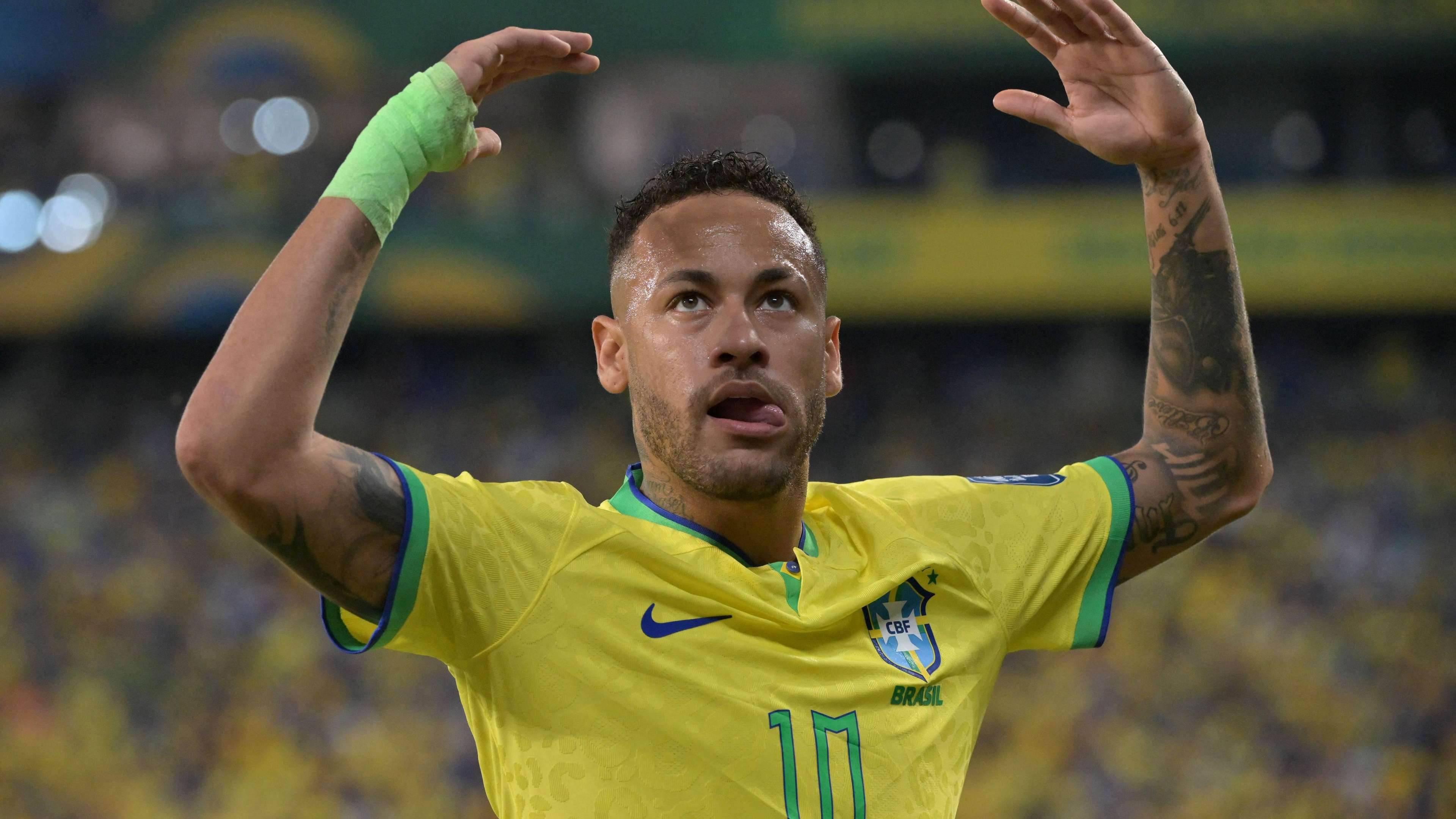
‘I feel there’s mockery’ – Neymar’s Brazil comeback slammed as a ‘freak show’ by World Cup winner

-
How Mikel Arteta Kept His Word and Guided Arsenal to a Historic Premier League Triumph
-
Carlo Ancelotti tells Neymar to accept bench role for Brazil and warns him over social media ahead of World Cup selection
-
Inside Arsenal’s Title Party: Bukayo Saka’s Message to the Doubters