We often forget to appreciate people when they are alive and realise their importance far too late, often when they have long been gone. Iconic writer F. Scott Fitzgerald once emphasised the importance of acknowledging and cherish people who are our well-wishers, people who have been supportive in our journey and have wanted nothing but the best for us, people who have been loyal to a fault… while they are alive.
What F Scott Fitzgerald Said About Well-Wishers
In his seminal work The Great Gatsby, the writer observed through the perspective of Meyer Wolfsheim, Gatsby’s shady business associate: “Let us learn to show our friendship for a man when he is alive and not after he is dead.”
Deeper Meaning Behind Fitzgerald’s Words
The meaning behind this statement is evergreen. While we mourn the dead or reminisce about people we knew in the past, we often sing their praises. But they are no longer there to hear them or feel joy. While we have still time, we should always strive to show gratitude to people who have been there for us, make them feel loved and appreciated.
Relevance Of This Quote
The quote encourages people to cherish and honour relationships in the present rather than in the hindsight. Often when people we love are gone forever, there is a bitter pang of regret at not having them shown how much we cared for them, how much we cherish them. The writer urges that the time to show you care…. Is now.
Who Was F Scott Fitzgerald?
F Scott Fitzgerald was one of the greatest writers in American history. He remains best known for his colourful and flamboyant novels that are set in the Jazz Age.
Before his literary breakthrough, he was rejected for over 120 times, and he managed to sell only one story for a meagre $30.
Disappointed his quit his advertising job, left New York and returned to his hometown, where he worked on his novel This Side Of Paradise. The novel which released in 1920 became an overnight success, selling 40,000 copies in a year.
In May 1924, F. Scott Fitzgerald relocated to Europe with his family, seeking both inspiration and a change of environment. During this period abroad, he devoted himself to writing his third novel, a work that would later be celebrated as his greatest literary achievement, The Great Gatsby. Published on April 10, 1925, the novel received glowing praises from the critics. However, it was a commercial failure and sales remained tepid till the end of his life. It became a phenomenon only after his death.
Fitzgerald’s last novel was Tender Is The Night.
Fitzgerald struggled with dwindling finances and alcoholism as his stars declined during the Great Depression. He passed away from a heart attack at the age of 44, in 1940.
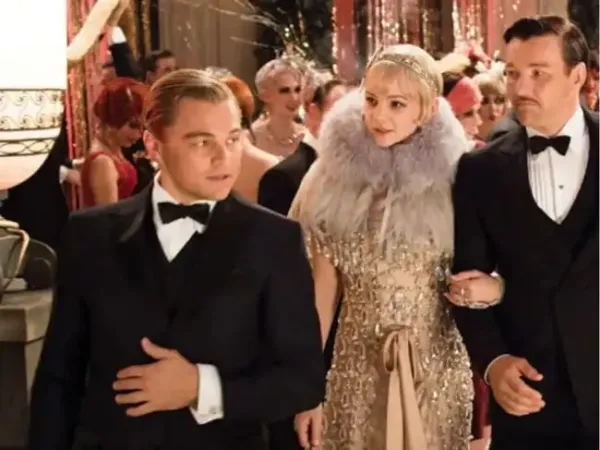
The Great Gatsby was adapted for the big screen several times. It's most popular cinematic itineration version remains the 2013 movie starring Leonardo Di Caprio and Carey Mulligan.
What F Scott Fitzgerald Said About Well-Wishers
In his seminal work The Great Gatsby, the writer observed through the perspective of Meyer Wolfsheim, Gatsby’s shady business associate: “Let us learn to show our friendship for a man when he is alive and not after he is dead.”Deeper Meaning Behind Fitzgerald’s Words
The meaning behind this statement is evergreen. While we mourn the dead or reminisce about people we knew in the past, we often sing their praises. But they are no longer there to hear them or feel joy. While we have still time, we should always strive to show gratitude to people who have been there for us, make them feel loved and appreciated. Relevance Of This Quote
The quote encourages people to cherish and honour relationships in the present rather than in the hindsight. Often when people we love are gone forever, there is a bitter pang of regret at not having them shown how much we cared for them, how much we cherish them. The writer urges that the time to show you care…. Is now. Who Was F Scott Fitzgerald?
F Scott Fitzgerald was one of the greatest writers in American history. He remains best known for his colourful and flamboyant novels that are set in the Jazz Age. Before his literary breakthrough, he was rejected for over 120 times, and he managed to sell only one story for a meagre $30.
Disappointed his quit his advertising job, left New York and returned to his hometown, where he worked on his novel This Side Of Paradise. The novel which released in 1920 became an overnight success, selling 40,000 copies in a year.
In May 1924, F. Scott Fitzgerald relocated to Europe with his family, seeking both inspiration and a change of environment. During this period abroad, he devoted himself to writing his third novel, a work that would later be celebrated as his greatest literary achievement, The Great Gatsby. Published on April 10, 1925, the novel received glowing praises from the critics. However, it was a commercial failure and sales remained tepid till the end of his life. It became a phenomenon only after his death.
Fitzgerald’s last novel was Tender Is The Night.
Fitzgerald struggled with dwindling finances and alcoholism as his stars declined during the Great Depression. He passed away from a heart attack at the age of 44, in 1940.
The Great Gatsby was adapted for the big screen several times. It's most popular cinematic itineration version remains the 2013 movie starring Leonardo Di Caprio and Carey Mulligan.