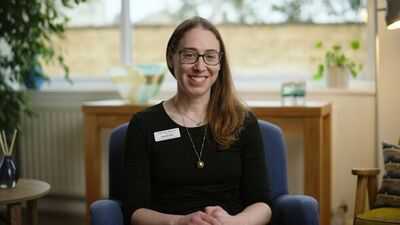
A leading children's hospice doctor is urging people to start talking about death so people who are dying can spend more time living. Dr Michelle Hills says the most common misconception people have is that they think talking about death means giving up. And she feels passionate about encouraging people to have more open and honest conversations about death.
The chief medical officer at Martin House Children's Hospice, West Yorkshire, said: "Talking about death and dying is not giving up. We are not there to take away hope or faith.
"We will still treat correctable problems. We will actively manage symptoms. When families choose not to pursue certain treatments, they are not refusing care - they are choosing a different kind of care, focused on comfort and quality of life."
Read more: UK pottery giant collapses into administration after 217 years - huge sale launched
Read more: UK's broadband firms ranked: Is yours first or last?
And she says that many people find it difficult to talk about the possibility of a seriously ill child dying, but avoiding the conversation can leave families without the support they need.
Dr Hills said: "If we don't acknowledge that children can become seriously ill, how can we ensure they get the end-of-life care they deserve?"
"[Both professionals and families] need to work together to write advance care plans, thinking ahead for a future when a child deteriorates. That way, when a child becomes more unwell, everyone understands the plan."
She says that in palliative care the focus moves away from clinical measurements and towards keeping a patient comfortable.
This means that instead of focusing on heart rates and blood pressure they look at how to help relieve a patient's pain and distress.
Dr Hills said: "Palliative and hospice care is about living before you die. It is about high-quality care focused on quality of life.
"It is about allowing a child to be a child - to play, experience music and art, and spend time with their loved ones. It is about medicine that makes you feel better, and making awful times less awful. It is about allowing a peaceful, natural death, then supporting people in their bereavements."
"I wish people felt more comfortable using the words 'dying' and 'died'. Phrases like 'passed' or 'gone to sleep' can be confusing and misunderstood, particularly by children or people whose first language isn't English.
"I wish that people felt more comfortable talking about children who have died, listening to stories about loved ones, and using their names.
"Parents remember their children every day, but too often people change the subject or avoid talking about them because it feels so difficult. I want people to know that it's ok to cry, and it's ok for our children to see us cry."
Each year, Martin House provides specialist palliative care and support to more than 550 children, young people and their families across West, North and East Yorkshire.
Dr Hills has written a book encouraging people to have more open and honest conversations about death. It's called The Wrong Order of Things and is due to be released later this year, published by Mirror Books.
-
Make wasps stay away for good by placing 10p household item in your garden this spring

-
M-Cap: 9 of Top 10 Firms Lose Rs 3.12 Trillion; Bharti Airtel Only Gainer

-
CBI arrests another Pune teacher in 2026 NEET-UG paper leak case

-
Jon Rahm makes demand over PGA Championship claim that left him concerned

-
Jeremy Clarkson makes 'horrific' death admission: 'Just truly awful'