
A doctor has named seven foods to avoid for women experiencing menopause. According to official data, around 13 million women in the UK are currently perimenopausal or menopausal, representing around one third of the female population.
Dr Linia Patel says diet can play a powerful role in easing menopause symptoms, including food cravings, bloating, hot flushes and poor sleep. She explains how certain foods can help ease bloating by supporting gut bacteria, which help us digest and absorb food. According to the expert, women experience a "decline in the diversity of gut bacteria" during the menopause, which can lead to bloating and gastric problems.
As reported by the Daily Mail, Dr Patel recommends eating less refined carbohydrates in order to keep blood sugar levels stable and improve energy. She also says adding more types of fibre to your daily diet can be beneficial, as this is what the bacteria in the gut "eats".
DWP confirms automatic £200 for state pensioners under 80
Ryanair, easyJet and British Airways reschedule flights as 1,700 delayed
Dr Patel explains: "The first thing is to get fibre right in your diet." She adds: "Because fibre also helps fill you up, the more of the right things you're eating, the less of the things that we don't necessarily want you to be eating regularly will fall off the plate naturally."
The doctor recommends avoiding sugary breakfast cereals, white bagels, white bread and white wraps during the menopause. She also advises against consuming sticky white rice, rice cakes and fruit juice.
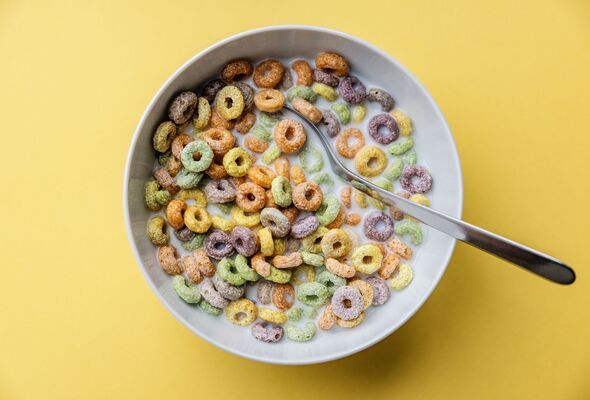

Meanwhile, Dr Patel instead recommends eating muesli, overnight oats, wholegrain bread, seeded bread, sourdough bread, brown rice, red rice and black rice. She also advises eating quinoa, oatcakes, dark rice crackers and while fruit to help ease menopause symptoms.
The doctor says that women don't eat enough protein and should up their intake at breakfast. As it takes longer to digest, protein helps us feel fuller for longer.
Dr Patel explained: "If you start strong, you're setting yourself up strong." She also reiterates the importance of hydration for gut health, adding: "Your body is 75 per cent water, your brain is 85 per cent water. If you're mildly dehydrated you're not going to operate well."
-
Telangana govt sanctions Rs 221 crore for gurukul, hostel schools

-
Why an ordinance to increase number of Supreme Court Judges?

-
Rachel Reeves told 'wake-up' as independent shop in UK spa town closes - opened in 2011

-
'BBC let him down!' rage Eurovision fans after 'unfair' decision

-
Gardeners urged to scatter orange peel in garden in May