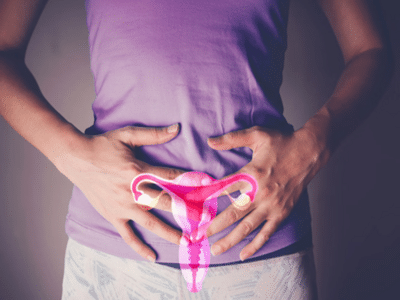
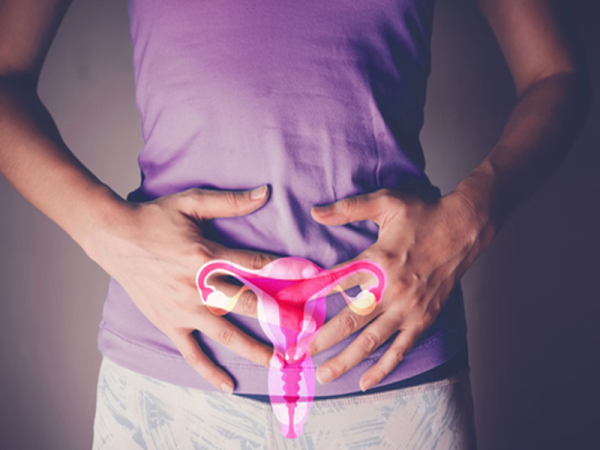
Polycystic Ovary Syndrome (PCOS) has long been recognized globally as a hormonal disorder affecting women, impacting metabolism, fertility, and hormonal balance. This condition is frequently associated with symptoms such as irregular periods, excessive facial or body hair growth, acne, and difficulties with weight loss or conception.

For a considerable time, many experts have argued that the name "PCOS" is both incomplete and misleading. Because the name focuses solely on the ovaries, the metabolic, hormonal, reproductive, and psychological challenges associated with this condition often receive insufficient attention. A significant shift has now occurred in this regard. Following a major, collaborative global initiative led by Monash University in Malaysia, PCOS has been officially renamed 'Polyendocrine Metabolic Ovarian Syndrome' (PMOS).
Two terms closely related to PMOS—PCOS and PCOD—have also been the subject of much discussion. Let us explore these three terms and understand the distinctions between them.
Why has PCOS been renamed PMOS?
The new name, 'Polyendocrine Metabolic Ovarian Syndrome,' was adopted to accurately reflect the complex, multi-organ nature of this condition.
According to an international consensus statement published in *The Lancet*, the previous name placed undue emphasis on "ovarian cysts" (growths within the ovaries), despite the fact that many women suffering from this disorder do not actually develop cysts. Instead, the disorder involves dysfunctions within the endocrine system, metabolism, and ovarian function.
This change is particularly significant for India, where PMOS affects millions of women.
It is a condition that also has serious implications for obesity, diabetes, infertility, and mental health.
Let us take a closer look at PCOS, PCOD, and PMOS. First, Learn About PCOS
Polycystic Ovary Syndrome (PCOS) is a hormone-related health condition that typically manifests in women of reproductive age.
If you have PCOS, you may experience very infrequent or irregular menstrual periods.
Additionally, you may develop excess body hair resembling male hair growth—a condition known as hirsutism. This occurs due to significantly elevated levels of androgen hormones in the body.
In women with PCOS, small cysts also begin to form within the ovaries.
This condition is primarily believed to be linked to a poor lifestyle, an unbalanced diet, and a lack of physical activity.
What is PCOD?
PCOD, or Polycystic Ovarian Disease, is a condition in which a woman's ovaries begin to produce a higher-than-normal number of immature eggs.
Over time, these eggs develop into small cysts. This can lead to an enlargement of the ovaries and trigger a hormonal imbalance.
Consequently, a hormonal imbalance ensues—specifically, there is an increase in the levels of androgens (male hormones).
PCOD is characterized by symptoms such as irregular periods, weight gain, acne, and fertility-related issues.
PCOD is also primarily considered a lifestyle-related disorder. Excessive consumption of junk food, a lack of physical activity, stress, and obesity are regarded as its contributing factors.

Now, Learn About PMOS
PMOS—or Polyendocrine Metabolic Ovarian Syndrome—is not a distinct medical condition; rather, it is a new name adopted for PCOS.
Experts believe that the condition involves multiple hormonal systems and metabolic processes within the body; therefore, the term PMOS is used to provide a more comprehensive understanding of the disorder.
In the context of PMOS, "Polyendocrine" signifies that multiple endocrine glands (hormone-producing glands) are affected, while "Metabolic" refers to the body's energy regulation and sugar metabolism. In other words, in this situation, insulin, thyroid, adrenal hormones, and reproductive hormones can all be affected.
PC Social Media
-
The unseen truth behind Celtic vs Hearts 'being abandoned' after players taken off pitch

-
Corral Fire Erupts in Los Angeles County, California

-
Massive Fire Erupts at Ahlstrom-Munksjö Mill in Kaukauna, Wisconsin

-
Kolkata Knight Riders Triumph Over Gujarat Titans in Thrilling IPL Encounter

-
Households urged to pour 65p item from Tesco into bins by end of May