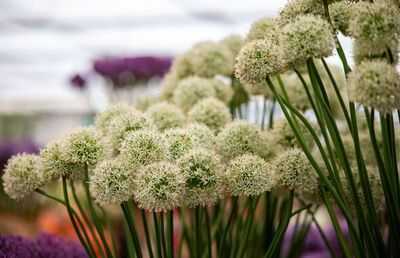

The RHS Chelsea Flower Show opens next week and it's a wonderful time to look for inspiration to freshen up your garden. The show is a brilliant way to spot colours, planting ideas and design details that can be adapted at home, whether you have borders, patios, containers or a front garden to work with. For more information, visit www.rhs.org.uk/shows-events/rhs-chelsea-flower-show. A few small changes, made in the right places, can give the whole garden a real lift as summer approaches.
Choose a view to improveStart by standing where you view your garden from most often. This could be the kitchen window, a patio seat, or the front path. Then improve that one view first. Move tired pots, trim back straggly growth, add a focal plant, or clear some line of sight. This simple task can give the space an immediate uplift with minimal effort.
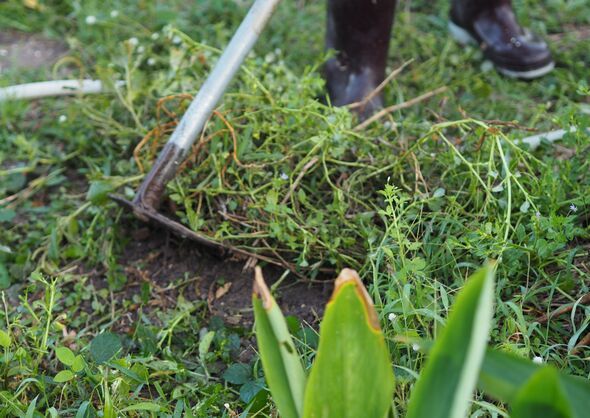
Tidy the edgesCrisp garden edges can make the space feel whole again. Cut back any lawn edges that may have crept into borders, sweep paths and patios, clear weeds from paving joins, and top up gravel where it has thinned. After weeding, adding a mulch to bare soil helps suppress new weeds and gives borders a fresh and finished look with minimal fuss.
Repeat a colour or plantShow gardens often have a polished look thanks to repetition. This might be the same plant threaded through the design, or a consistent colour scheme. You can do this at home, on a smaller scale. For example, purple is a colour popping up in borders often in May, and using plants like alliums, salvia, nepeta and geraniums, you can create an effortless effect. For a consistent structure, instead, you could repeat one plant family in different forms. Salvias are great examples, with compact types suited to containers and taller varieties great for sunny borders.
 Layer planting
Layering is one of the most straightforward ways to make a border look full. Start with height at the back, such as with roses, hydrangeas, foxgloves, or ornamental trees. Then, fill the middle with perennials like salvias, achilleas or penstemons. Finally, the front of the border can be softened with alchemilla, erigeron, or thyme.
Containers for instant polishA few containers placed well can give the garden an instant lift. Choose plants to suit the position, with pelargoniums, nemesia and herbs for sunny spots, or fuchsias and heucheras for light shade. Add a trailing plant to soften the edge and keep the display well-watered as temperatures rise. There's a Chelsea Special episode of Step-by-Step Gardening coming out next week, filmed at Blue Diamond Garden Centres' Bridgemere Show Gardens. Subscribe to my YouTube channel, @daviddomoney, and you'll be notified when it's live.
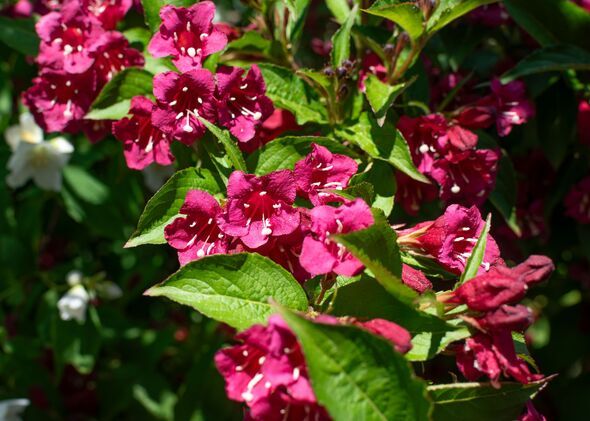
Focus Plant - WeigelaIn May, weigela is striking, as this deciduous shrub carries masses of funnel-shaped flowers from late spring through to early summer. Blooms of pink, red or white make it well-suited to mixed borders, where it gives colour now and leafy structure afterwards. The flowers are also favoured by bumblebees, adding a lovely pollinator bonus.
Weigela is happy in most reasonably fertile, well-drained soils, and flowers best in a sunny position, but it will cope in light shade. Give it room to grow, as many of the varieties make a lovely, rounded shrub over time. If you plant them now, water them in well whilst they settle, then mulch around the base to help with moisture retention as temperatures increase.
There are varieties suited to many different spaces. 'Bristol Ruby' is a classic option, with deep red flowers and an upright habit. Weigela floribunda 'Variegata' has cream-edged leaves and rose-pink flowers, for continued interest once the flowers fade. For smaller gardens or containers, 'Monet' is compact, also with variegated foliage and pink blooms.
Caring for weigela is straightforward. Avoid heavy pruning before flowering, as it blooms on older wood. Once the main display has finished, remove some of the older stems and cut out any dead or damaged growth.
Fun fact: Weigela belongs to the honeysuckle family, Caprifoliaceae, which also includes familiar shrubs such as honeysuckle and viburnum.
 Gardening Jobs
1. Give late-flowering perennials the Chelsea Chop around now, so called because it's usually done when the Chelsea Flower Show is on. Cut back suitable plants by a third to half to encourage bushier growth, sturdier stems and later flowers.
2. Pinch out the soft growing tips of bushy bedding plants raised under cover, like fuchsias and petunias. This encourages side shoots, giving you fuller plants with more flowering stems later.
3. Thin soft fruit clusters if they have set very heavily, especially on grapes if growing under cover. Removing some of the soft fruit can result in the remaining fruit growing bigger and of better quality. It also improves airflow around the plant, reducing the risk of disease.
4. Repair bare patches of lawn now, before summer wear starts. Rake out any dead grass, loosen the soil, and remove any weeds and stones. Then, sow grass seed thinly over the area, keeping it moist while it germinates.
5. Prune lilac once the main flowering show has finished. Remove dead, damaged, or crossing growth, and any older stems if the shrub is congested. Avoid hard pruning every year, as flowers emerge from the previous season's growth.
Facebook - https://www.facebook.com/DavidDomoneyTV
Instagram - https://www.instagram.com/daviddomoney/
Pinterest - https://www.pinterest.co.uk/daviddomoney/overview/
TikTok - https://www.tiktok.com/@daviddomonry
 Did you know?
Bee orchids have mastered floral trickery. Their flowers mimic the look of a female solitary bee, encouraging males to investigate, leading to pollination. In the UK, these plants often self-pollinate.
Monstera deliciosa's leaf holes are called fenestrations. They may help the plant cope with its tropical forest habitat by reducing wind and rain damage, and possibly improving how light reaches the plant, although scientists still debate the full purpose. To learn about how to care for your Monstera plant, head to my YouTube channel @daviddomoney.
Daylilies are well named, as each Hemerocallis flower usually only lasts a single day. But as the plants produce buds successively, the display continues for weeks on end.
Orange-tip butterflies are not fussy about nectar as adults, visiting a range of spring flowers. Their caterpillars are far more particular, relying on food plants such as cuckooflower, garlic mustard and hedge mustard.
-
As Netanyahu spotlights Israel's ties to UAE, its rulers prefer to be discreet

-
PGIM India Mutual Fund restricts subscription in its 3 international funds

-
TCS aims to be world's largest AI tech firm; 130 top AI clients onboarded: CEO Krithivasan

-
Mphasis playing host to a high-stakes game of executive musical chairs

-
Age-old home remedy to improve skin complexion: Miracle of gram flour, curd and turmeric