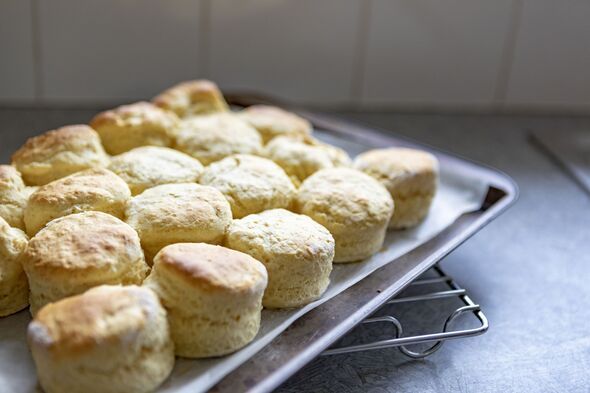
Scones have always been a beloved British dessert, serving as the perfect complement to any afternoon tea. They can be made sweet or savoury, with or without fillings, making them a versatile treat that appeals to a wide range of tastes. What's more, the recipe for them is quite simple and only needs a handful of ingredients, so even novice bakers can easily create a batch at home.
However, as with all baking attempts, it's possible to encounter issues and end up with a dry, dense, and unappealing scone. To avoid this happening, Chef Lindsey Farr, who has decades of experience as a pastry chef and professional cook for restaurants in New York, claims that the "secret" to the best scones relies on one ingredient - butter. It's the type of butter you use and how you add it into the recipe that makes all the difference.
To nail a pillowy texture in any scone, the ingredients, especially the fats, need to be cold.
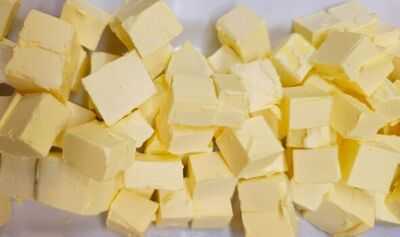
Lindsey says that the key to making "perfect English scones that are moist, tender and dense" is to use cold, cubed butter.
Cold butter prevents the butter from melting before the scones are baked and will help you achieve a lighter crumb.
She said, "Keeping the butter cold limits gluten formation in two ways: by cutting the gluten strands short and by keeping the proteins cold.
"Cold butter will also release moisture via steam when it hits the hot oven, creating even more rise."
As well as using butter that is cold, the other thing you need to do is "cut the butter into the dry ingredients".
Unlike cake or cookie dough, which often call for room temperature ingredients to avoid a lumpy, curdled mess, dough recipes like scones, biscuits, and pie crusts typically call for cold butter to be "cut into" the dry ingredients.
Often, this style of recipe will call for chopping butter into small pieces, then refrigerating for a bit before cutting it into the dry ingredients with a pastry blender or simply with your fingers.
Cutting the butter into dry ingredients is Lindsey's "secret for perfect scones". She explained: "This allows the butter to evenly coat all the flour, which will inhibit gluten formation. Too much gluten leads to tough rather than tender scones."
Distributing the fat throughout the dry ingredients creates the lighter, flakey textures in the final baked goods.
-
Hydrangeas 'will change colour' if you add ingredient to soil

-
Urgent product recalls for everyday Ikea item, baby monitor and teddy bear - full list

-
Sham Kaushal wishes his 'puttar' Vicky Kaushal on 38th birthday, says he's 'blessed to have a son like him'

-
'The ecological collapse is overwhelming, but observing something alive can counter it': Neha Sinha

-
4 DVSA rules have just changed - impacting drivers since Tuesday