
Online searches for "can I leave my dog alone" have soared by over 6,000 in the past month as owners become increasingly concerned about the amount of time they spend away from their beloved pets. According to new Glimpse search trend data, more and more owners are seeking guidance on how long is actually too long to leave a dog at home. The data also shows searches for the term are up 14% month-on-month, suggesting the issue is becoming a growing concern for people attempting to balance work, social plans and time away from home with the joy of owning a pooch.
Whilst dogs don't understand time in the way humans do, animal behaviourists have concluded they do have an understanding of it, and they can absolutely be affected by how long they're left alone. According to Alyssa Ralph, canine behaviour and nutrition expert at Years, the fresh dog food brand - the question isn't "How many hours is too long?" it's "Can your dog cope with being alone for that length of time?"
UK pottery giant collapses into administration after 217 years - huge sale launched
UK's broadband firms ranked: Is yours first or last?
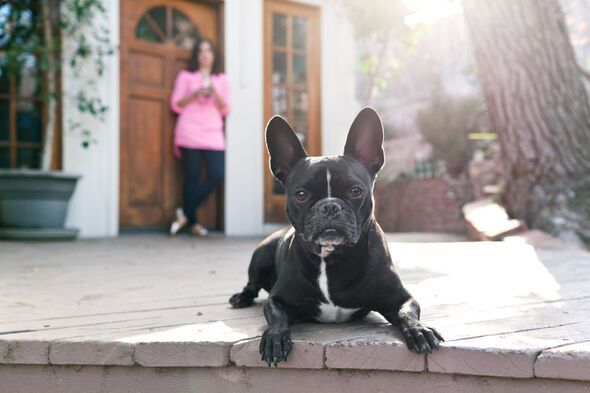

"There's no single number that works for every dog," says Alyssa. "Age, breed, health, routine and past experiences all play a role but there are general guidelines owners should be aware of."
The general guidance for healthy adult dogs is that they can be left alone for up to four hours, however when this extends to six hours it can be manageable but is not ideal.
However extending this above six hours - when out at work for example, can lead to stress, boredom and behavioural issues,
"For puppies, senior dogs, or dogs with separation anxiety, even a matter of minutes can feel overwhelming," Alyssa adds.
Why dogs struggle with longer absences
Dogs don't count hours. Instead, they respond to changes in their environment and body.
"When a dog is left alone for longer periods, several things happen at once," Alyssa explains. "Your scent fades, hunger or the need to use the toilet builds up, the house becomes quieter or there may be more disruptive sounds outside the home, and there's no social interaction. Over time, that combination can trigger stress rather than simple boredom."
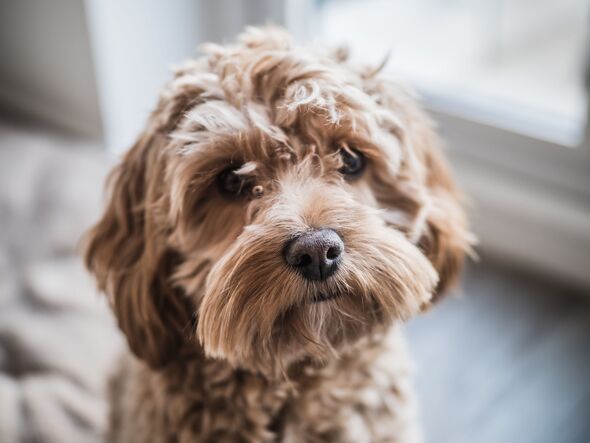
This is why some dogs seem fine when left briefly, but become destructive, vocal or withdrawn after longer periods alone.
Post-pandemic routines have made the issue worse. "Many dogs became used to constant company during lockdowns," adds Alyssa. "Now we're seeing more anxiety as owners return to offices or longer days out. Dogs aren't being 'naughty' - they're struggling with uncertainty."
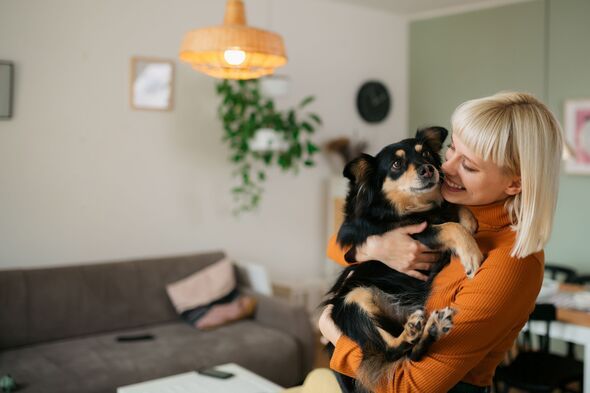
Excessive barking or howling
Destructive behaviour
Chewing, scratching doors, damaging furniture or belongings
Pacing or drooling
Changes in appetite such as refusing food or treats.
What owners can do
According to Alyssa Ralph, preparation matters more than the clock.
"If you need to leave your dog for longer periods, focus on mental stimulation before leaving them, predictable routines and gradual alone-time training," she says. "Quality time with you before you leave, calm departures, and making sure all their needs are met will help dogs feel safer."
She adds that daily long absences without stimulation or breaks can negatively affect both behaviour and wellbeing over time.
"We can get easily caught up in how long we're leaving our dog for," says Alyssa. "The goal isn't to count hours, but to make sure your dog feels secure, appropriately stimulated and supported while you're away."
-
Vernon Kay says 'I want the ground to swallow me up' as he issues apology to BBC co-star

-
Vernon Kay says 'I want the ground to swallow me up' as he issues apology to BBC co-star

-
Gujarat Board to Issue New QR Code-Based Mark Sheets for Class 10 and 12 Students

-
Gujarat Board to Issue New QR Code-Based Mark Sheets for Class 10 and 12 Students
-
Rapid Repairs Underway for Vikramshila Bridge in Bihar