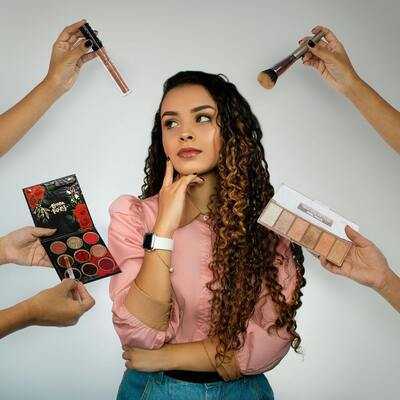
Beauty standards have evolved a lot over the years. However, what remains constant is the need for women to drastically transform their body to attain the ideal look. Beauty practices in ancient times, contemporary beauty procedures, and skincare trends have all contributed to a beauty culture that has often required women to try procedures and products that do not necessarily suit their bodies.
The rise of perfection-driven beauty cultureModern beauty culture revolves around constant self-optimization. Social media platforms are flooded with curated and filtered images of influencers, celebrities, and beauty creators. Making unrealistic appearances seems like everyday beauty standards. Unlike older beauty trends that focus mainly on makeup or fashion, today’s beauty culture increasingly centers around cosmetic procedures such as fillers, laser treatments, skin tightening, and preventative Botox.
Botox, once associated primarily with older celebrities, is now being marketed to younger women as a form of “prejuvenation” aimed at delaying signs of ageing before they even appear.
At the same time, the beauty and wellness industry has become increasingly lucrative, with cosmetic clinics, skincare brands, and aesthetic treatments aggressively targeting younger audiences through influencer marketing and celebrity culture. Procedures once considered invasive are now often framed as routine self-care and lifestyle maintenance, further normalizing cosmetic enhancements in everyday beauty culture.
Bollywood has also played a major role in shaping beauty ideals in India. Trends such as the “size-zero” body associated with Kareena Kapoor Khan’s preparation for Tashan and celebrity fairness cream endorsements significantly influenced mainstream beauty expectations for years. More recently, public speculation surrounding cosmetic enhancements involving celebrities such as Khushi Kapoor, Janhvi Kapoor, and Anushka Sharma have further normalized aesthetic procedures among younger audiences.
Constant scrutiny around celebrity appearances, ageing, and “transformations” on social media have created a culture where beauty maintenance increasingly feels like a chore.
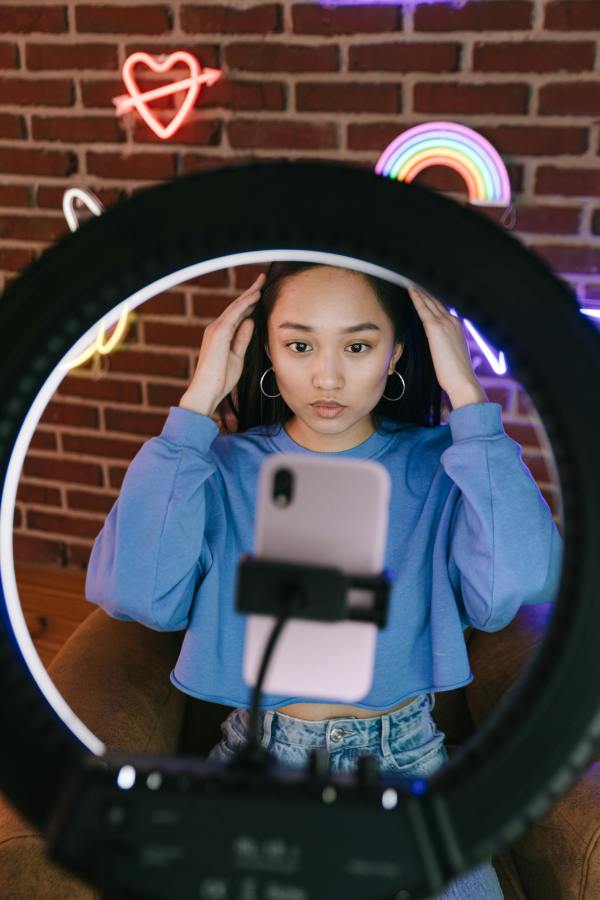
Social media and beauty anxietyWe’ve entered an era of social media where filters, editing software, and curated content reigns supreme. It has altered the way people perceive themselves. There is an incessant stream of images from beauty gurus, stars, and other popular trends that present unattainable standards of beauty in real life. Consequently, people find themselves in a vicious circle of comparison, low self-esteem, and a desire to optimize their looks at all times.
Research has found a link between exposure to manipulated images and videos related to idealised beauty on social media and feelings of anxiety, low self-esteem and body dissatisfaction in young female individuals, including members of Generation Z, who spend countless hours on these platforms.
However, for many girls, beauty has become quite tiresome. It does not provide pleasure anymore. On the contrary, it drains them physically, mentally, and financially.
 Pexels
In many cases, criticisms that are being raised against the beauty culture represent a much bigger transformation taking place within how the younger generation sees beauty. This is because today's beauty does not simply mean perfection or looks; it now means comfort, sincerity, and most importantly, freedom from looking flawless.
Lead image credit: Pexels
-
Leopard kills 60-year-old man in Uttarakhand's Pauri Garhwal; locals protest

-
Lucknow University professor detained for questioning over 'objectionable' calls, paper-leak claims

-
Census 2027: DC Jammu urges public participation in digital self-enumeration from May 17

-
Dehradun Police seizes over Rs 1.5 crore unaccounted cash from SUV; 3 held

-
Another FIR lodged against SP spokesperson Bhati over objectionable remarks against Brahmins