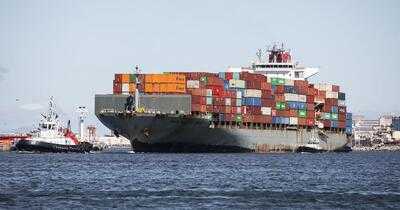
Trade can be weaponised as a coercive tool of policy, either to force another government to change course or to change its internal calculus when making choices.
That last part is useful to bear in mind: government decisions are the result of an equation with many variables. When we dismiss the leaders of unfriendly regimes as erratic or insane, we’re often simply misunderstanding the variables their decision-making equation contains, or the weights they are attaching to them. A paranoid leader may consider even the rumour of an emerging threat to be a prime concern, a foolish leader may discount credible warnings or chase fantasies, and a greedy or corrupt leader may prioritise personal enrichment above all other questions of governance – yet the equation is still there, and can thus be externally nudged.
How effective trade is at doing this nudging depends on the tools available to the nudger, the equation used by the nudged, and just how big a nudge is being sought. Despite deploying some formidable trade weaponry, the US embargo of Cuba failed to achieve its stated objective of regime change. That’s not entirely surprising. It’s really hard to sanction a country into changing leaders. It’s even harder to...Read more
-
Virgo Tarot Horoscope Today, May 15, 2026: Stay Comfortable in Coordination, Maintain Confidence

-
Where Is Gangangiri Maharaj Math? A Guide To The Serene Spiritual Retreat

-
Nagaland State Lottery Result: May 15, 2026, 1 PM Live - Watch Streaming Of Winners List Of Dear Victory Sambad Morning Friday Weekly Draw
-
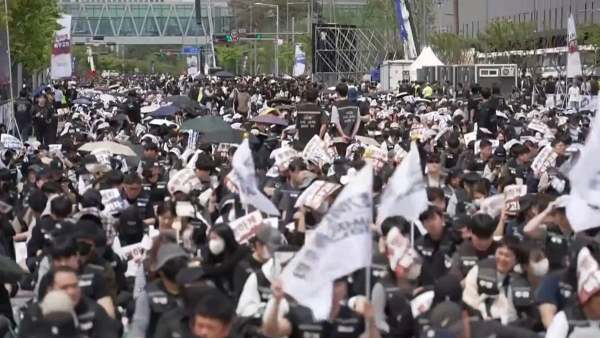
Samsung Electronics Labour Union Rejects Talks, Confirms Massive 18-Day Strike Next Week
-
Elon Musk vs Sam Altman: Closing Arguments Delivered In Landmark Case; Jury Decision Could Shape AI's Future