
Listen to this article in summarized format
Loading...
××
Subscribe to

Unlock AI Briefing and Premium Content
New Year Offer 24 Hours Left
Subscribe NowAlready a member? Sign In
What's Included
- Exclusive Stories
- Daily ePaper Access
- Smart Market Tools
- Curated Investment Ideas
- Ad-lite Experience
Subscription

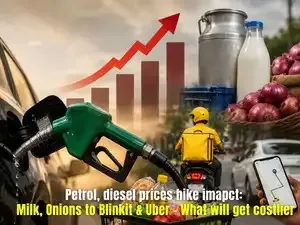
Petrol and diesel prices have gone up by Rs 3 per litre across India — and while many people may first notice it at fuel stations, the bigger impact is usually felt somewhere else: everyday life.
That late-night Blinkit order, your morning milk packet, the cab you book to office, and even flight tickets could gradually become more expensive in the coming weeks if fuel costs stay elevated.
The reason is simple: fuel sits quietly behind almost everything people use daily.
Also read: Petrol, diesel prices hiked: What are the fuel rates in Pakistan, Nepal & Bangladesh? Check latest price comparision
From trucks carrying vegetables to delivery bikes bringing groceries home, India’s economy runs heavily on diesel and petrol. So when fuel prices rise, transport costs slowly start showing up everywhere else too.
Most trucks transporting vegetables, fruits, groceries, milk, packaged foods, medicines, and daily essentials run on diesel. Buses, tractors, generators, and commercial vehicles also depend heavily on it.
That means when diesel prices rise, transporters eventually spend more moving goods from one city to another — and businesses often pass at least some of that extra cost on to consumers.
This is why fuel hikes are closely linked to inflation fears.
A Rs 3 increase may not immediately make tomatoes costlier overnight, but over time, repeated transport expenses start adding pressure across the supply chain.
Vegetables, fruits, milk, curd, paneer, grains, edible oils, and packaged foods may see gradual price pressure if transportation costs remain high.
Perishable goods are particularly vulnerable because they require faster movement and, in many cases, refrigerated vehicles or cold storage systems that consume additional fuel.
This is why fuel price hikes are often felt first in kitchen budgets.
For example:
Delivery platforms like Blinkit, Zepto, Swiggy Instamart and Zomato rely heavily on fuel-driven logistics networks — from warehouse movement to last-mile delivery riders.
When petrol prices rise, companies sometimes respond by:
For many urban users already dealing with “rain fee,” “surge fee,” and “platform fee,” another fuel-linked increase could quietly make convenience more expensive.
Drivers working with Ola and Uber spend a significant portion of their earnings on fuel. A sustained increase in petrol and diesel prices often leads to demands for fare revisions or higher surge pricing.
Auto-rickshaw unions and private bus operators in several cities may also seek fare hikes if fuel prices remain elevated for a longer period.
For daily commuters, that could mean:
Global crude oil tensions — especially around West Asia and key shipping routes like the Strait of Hormuz — have already increased pressure on jet fuel prices.
If fuel costs remain elevated globally, airlines may eventually pass on part of the burden to passengers through:
So while the petrol pump hike directly affects road transport, aviation fuel prices can indirectly make flights more expensive too.
Farmers use diesel for:
Over time, that may contribute to higher food prices in local markets if input costs continue rising.
But fuel price hikes rarely stay limited to fuel alone.
The real impact is usually gradual and psychological — a little extra on groceries, slightly higher cab fares, increased delivery charges, and more expensive travel plans.
That is why fuel prices often affect household budgets more deeply than people initially expect.
Because even if you do not drive daily, chances are almost everything reaching you still runs on fuel somewhere in the supply chain.
That late-night Blinkit order, your morning milk packet, the cab you book to office, and even flight tickets could gradually become more expensive in the coming weeks if fuel costs stay elevated.
The reason is simple: fuel sits quietly behind almost everything people use daily.
Also read: Petrol, diesel prices hiked: What are the fuel rates in Pakistan, Nepal & Bangladesh? Check latest price comparision
From trucks carrying vegetables to delivery bikes bringing groceries home, India’s economy runs heavily on diesel and petrol. So when fuel prices rise, transport costs slowly start showing up everywhere else too.
Why do higher fuel prices affect almost everything?
Diesel is the backbone of India’s transport network.Most trucks transporting vegetables, fruits, groceries, milk, packaged foods, medicines, and daily essentials run on diesel. Buses, tractors, generators, and commercial vehicles also depend heavily on it.
That means when diesel prices rise, transporters eventually spend more moving goods from one city to another — and businesses often pass at least some of that extra cost on to consumers.
This is why fuel hikes are closely linked to inflation fears.
A Rs 3 increase may not immediately make tomatoes costlier overnight, but over time, repeated transport expenses start adding pressure across the supply chain.
Will vegetables and groceries become expensive after the fuel price hike?
Possibly, yes — especially perishable items.Vegetables, fruits, milk, curd, paneer, grains, edible oils, and packaged foods may see gradual price pressure if transportation costs remain high.
Perishable goods are particularly vulnerable because they require faster movement and, in many cases, refrigerated vehicles or cold storage systems that consume additional fuel.
This is why fuel price hikes are often felt first in kitchen budgets.
For example:
- Tomatoes, onions, leafy vegetables, and fruits transported across states could become slightly costlier
- Milk distribution expenses may increase for dairies
- Packaged grocery brands could face higher logistics costs
Could Blinkit, Swiggy, Zomato and Zepto delivery charges rise?
That is a possibility people may notice quickly.Delivery platforms like Blinkit, Zepto, Swiggy Instamart and Zomato rely heavily on fuel-driven logistics networks — from warehouse movement to last-mile delivery riders.
When petrol prices rise, companies sometimes respond by:
- Increasing delivery fees
- Adding platform or handling charges
- Expanding surge pricing during peak hours
- Raising minimum order thresholds
For many urban users already dealing with “rain fee,” “surge fee,” and “platform fee,” another fuel-linked increase could quietly make convenience more expensive.
Will Ola, Uber and auto fares increase too?
Cab aggregators and local transport operators could also feel the pressure.Drivers working with Ola and Uber spend a significant portion of their earnings on fuel. A sustained increase in petrol and diesel prices often leads to demands for fare revisions or higher surge pricing.
Auto-rickshaw unions and private bus operators in several cities may also seek fare hikes if fuel prices remain elevated for a longer period.
For daily commuters, that could mean:
- Costlier office rides
- Higher intercity bus fares
- Increased school transport expenses
Why can flight tickets become expensive after fuel price hikes?
Air travel is also linked to fuel prices through Aviation Turbine Fuel (ATF), one of the biggest operational expenses for airlines.Global crude oil tensions — especially around West Asia and key shipping routes like the Strait of Hormuz — have already increased pressure on jet fuel prices.
If fuel costs remain elevated globally, airlines may eventually pass on part of the burden to passengers through:
- Higher ticket prices
- Reduced discount offers
- Increased convenience fees
So while the petrol pump hike directly affects road transport, aviation fuel prices can indirectly make flights more expensive too.
How does the fuel price hike affect farmers and agriculture?
The agriculture sector may also face added pressure because diesel is widely used in farming activities.Farmers use diesel for:
- Tractors
- Irrigation pumps
- Harvesting equipment
- Transporting crops to mandis
Over time, that may contribute to higher food prices in local markets if input costs continue rising.
Is the Rs 3 fuel hike enough to impact household budgets?
Individually, Rs 3 per litre may not look massive.But fuel price hikes rarely stay limited to fuel alone.
The real impact is usually gradual and psychological — a little extra on groceries, slightly higher cab fares, increased delivery charges, and more expensive travel plans.
That is why fuel prices often affect household budgets more deeply than people initially expect.
Because even if you do not drive daily, chances are almost everything reaching you still runs on fuel somewhere in the supply chain.