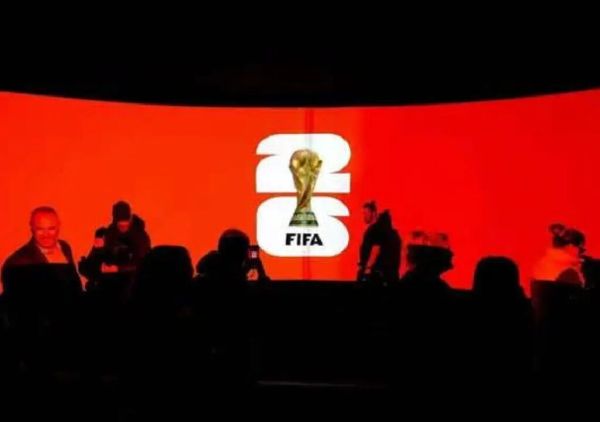
FIFA is facing an unexpected challenge ahead of the 2026 World Cup, as broadcasting rights in India and China — two of the world’s biggest markets — remain unsold barely weeks before the tournament begins.
The expanded 48-team World Cup was expected to increase global reach and attract larger audiences from heavily populated nations such as India and China. However, no official television or digital agreements have yet been finalised in either country for the 104-match tournament.
FIFA reportedly cuts asking price
Reports suggest FIFA initially sought around $100 million from Indian broadcasters and between $250 million and $300 million in China for the rights to the 2026 and next World Cups.
However, with no agreements reached, the prices have reportedly fallen sharply. In India, the asking price is now believed to be around $35 million, while broadcaster JioStar is said to have offered only $20 million.
Industry experts believe the Indian sports broadcasting market has changed significantly in recent years, with cricket continuing to dominate viewer interest and advertising revenue.
Late-night timings worry broadcasters
Another concern is the match timings. Due to the North American hosting schedule, many World Cup matches will air late at night or early morning in India and China.
Football administrator Shaji Prabhakaran reportedly said timings alone were not the real issue, pointing out that Indian audiences regularly watch late-night UEFA Champions League matches as well.
He instead blamed reduced competition in the broadcasting market and financial caution among networks.
China remains key market for FIFA
China is considered especially important for FIFA because of its massive television and digital audience reach. Reports said Chinese broadcaster CCTV is unwilling to meet FIFA’s high demands and is offering significantly lower amounts.
Despite the deadlock, many expect agreements to be reached soon as negotiations continue.
The situation has become a major test for FIFA President Gianni Infantino, with experts warning that steep discounts in major markets could affect future broadcasting negotiations globally.
-
Fish oil spill from container causes accidents on Ullal road

-
Guidelines for use of AI in medical education to be released: Official

-
Another bus gutted in fire; 36 passengers escape miraculously!

-
Telangana HC denies interim relief to Bandi Sanjay's son in POCSO case

-
How Will Hydrogen Buses Work? Find Out How They Differ from CNG and What Their Benefits Are..