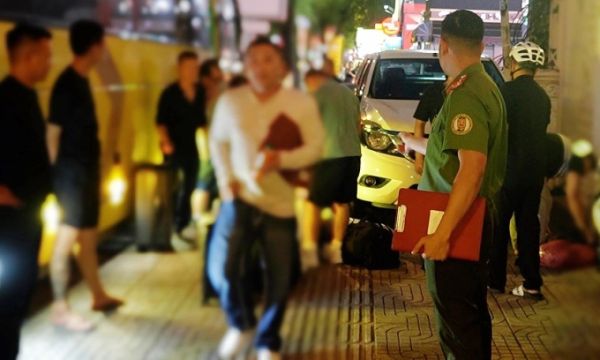
Ho Chi Minh City Police said on May 13 that the city’s immigration division had coordinated with agencies to receive 33 Vietnamese citizens deported by the U.S. at Noi Bai International Airport in Hanoi. It was one of several handover operations in recent months.
On March 23, the same division received 34 Ho Chi Minh City residents deported by the U.S. for violating American law or failing to meet residency requirements.
The Immigration Department, part of the Ministry of Public Security, reported that in the first three months of 2026, localities across Vietnam received 138 deportees in total. The U.S. accounted for 77, Cambodia 58 and Canada 4.
City police data shows the cumulative total has risen into the hundreds over five months, with the U.S. and Cambodia still the dominant origins.
More than 15,000 Southeast Asian refugees, including Vietnamese, Lao and Cambodian nationals, are living in the U.S. under final orders of removal, according to figures cited in the Southeast Asian Deportation Relief Act, a bill introduced in Congress in February 2026 in response to accelerated enforcement. In May 2025, a single mass-removal flight returned 93 Vietnamese deportees alongside 65 Lao nationals.
|
Officers process and assist Vietnamse citizens deported from overseas in Ho Chi Minh City. Photo courtesy of Ho Chi Minh City Police |
The Cambodia numbers sit inside a separate but equally fast-moving story. Since mid-2025, Cambodian authorities have run a sweeping crackdown on online scam compounds, which intensified after the January arrest and extradition to China of Chinese-born tycoon Chen Zhi, a central figure in the country’s industrial-scale cyber fraud operations. Cambodia’s Commission for Combating Online Scams reported that more than 110,000 foreign nationals were deported from the country in January and early February alone, with another 210,000 leaving voluntarily, according to Cambodian government figures.
Many of the Vietnamese caught in that wave were not voluntary illegal workers but trafficking victims. Recruits were typically lured through social media advertisements promising office or customer-service jobs in Cambodia for salaries far above what they could earn at home, then had their passports confiscated on arrival and were forced to run online fraud operations targeting Vietnamese and international victims. Vietnamese police have repeatedly raided cross-border smuggling routes into Cambodia and recovered citizens from compounds in Sihanoukville, Bavet and Poipet over the past year.
Back in Ho Chi Minh City, the police’s role has shifted from procedural intake to social services. Beyond completing handover paperwork, officers contact relatives, guide returnees through residency registration, reissue identification documents and arrange medical assistance where needed.
For returnees without a stable place to live, a sponsor or financial means, the city’s police coordinate with local governments and the Department of Health to place them in social support facilities for temporary shelter and care. Officials are urging relatives of deportees who have not yet made contact with their families to reach out to local police to begin sponsorship procedures.
The Immigration Department advised Vietnamese preparing to study, work or travel abroad to research destination country laws closely and to avoid illegal migration networks or fraudulent documents. Illegal residency abroad exposes individuals to arrest, deportation, and long-term or permanent entry bans, authorities warned.
-
Withdraw your PF money immediately! When will EPFO ATM and UPI services resume? Did you read the big update?
-
Change the colour of your hydrangeas by adding 1 item to the soil

-
Punjab Kings Face Crucial Match Against Mumbai Indians in IPL 2026 Playoff Race

-
Virat Kohli matches record for most IPL hundreds in successful chases

-
Andhra Pradesh, Telangana LATEST Weather Update: Telugu States Brace for Rains, Thunderstorms Amid Intense Heatwave