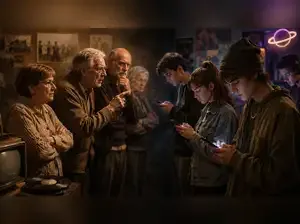
From Baby Boomers criticizing millennials for “ruining industries” to millennials struggling to understand Generation Z humor, fashion, and online culture, generational conflict has become a constant part of modern life. Social media debates about work ethic, dating, slang, and lifestyle choices appear almost daily. But psychology says this tension is not new, and it is rarely just about fashion trends or technology. Experts believe these clashes are deeply connected to identity, social change, and the brain’s resistance to unfamiliar cultural shifts.
One major explanation comes from Status Quo Bias, a psychological tendency where people prefer familiar systems and behaviors over change.
As people age, the lifestyles and values they grew up with become emotionally tied to stability and identity. When younger generations challenge those norms, it can feel less like harmless change and more like a rejection of everything the older generation considered “normal.”
For example, many older adults once criticized millennials for prioritizing work-life balance over traditional corporate loyalty. Today, millennials themselves sometimes criticize Gen Z for rejecting hustle culture entirely.
Psychologists describe this reaction as Identity Threat Theory. People often connect their personal identity to the values, habits, and social rules of their generation.
When younger generations introduce new ways of thinking, whether about careers, gender roles, relationships, or communication, older generations may unconsciously interpret it as criticism of their own life choices.
This emotional reaction explains why generational debates can become surprisingly intense.
For example:
Trends, slang, and cultural movements spread faster than ever before, leaving older generations feeling disconnected. At the same time, younger users often mock older habits online, creating a cycle of defensiveness and criticism.
Psychologists connect this to Social Identity Theory, where people naturally defend the groups they belong to while viewing outside groups more critically.
This reflects a psychological process called Cultural Lag, where social attitudes struggle to keep up with rapid cultural change. Millennials grew up adapting to technology. Gen Z was born into it. That difference shapes everything from attention spans to social interaction.
Psychologists link this to Existential Anxiety, the discomfort people feel when confronted with change that reminds them society is evolving beyond their control. This does not mean older generations are intolerant. Often, they are adjusting to cultural shifts happening faster than any previous generation experienced.
Workplace culture highlights this divide clearly. Many younger employees now prioritize mental health, flexibility, and remote work. Older managers sometimes interpret this as laziness, while younger workers see it as healthier boundaries.
Public figures like Simon Sinek have frequently discussed generational misunderstandings in professional environments. Fashion and humor also create tension. Trends popular on TikTok often confuse older audiences, while Gen Z users openly mock “millennial aesthetics” online.
This reflects stereotyping bias, where individuals simplify large groups into broad assumptions.
Experts say empathy and curiosity are key. Instead of seeing generational differences as moral failures, psychology encourages viewing them as products of different social environments.
Every generation adapts to the world it inherits. What looks “wrong” to one group may simply be survival or self-expression for another.
Why Older Generations Resist Change
One major explanation comes from Status Quo Bias, a psychological tendency where people prefer familiar systems and behaviors over change.As people age, the lifestyles and values they grew up with become emotionally tied to stability and identity. When younger generations challenge those norms, it can feel less like harmless change and more like a rejection of everything the older generation considered “normal.”
For example, many older adults once criticized millennials for prioritizing work-life balance over traditional corporate loyalty. Today, millennials themselves sometimes criticize Gen Z for rejecting hustle culture entirely.
The Psychology of Identity Threat
Psychologists describe this reaction as Identity Threat Theory. People often connect their personal identity to the values, habits, and social rules of their generation.When younger generations introduce new ways of thinking, whether about careers, gender roles, relationships, or communication, older generations may unconsciously interpret it as criticism of their own life choices.
This emotional reaction explains why generational debates can become surprisingly intense.
Why Every Generation Thinks They Worked Harder
Research on Generational Cohort Theory suggests that people shaped by similar historical events often develop shared attitudes and beliefs.For example:
- Generation X grew up during economic uncertainty and often valued independence and resilience.
- Millennials experienced the rise of the internet and major financial instability during the 2008 recession.
- Gen Z entered adulthood in a world shaped by social media, mental health awareness, and rapid digital transformation.
Social Media Intensifies the Divide
Platforms like TikTok and Instagram have accelerated generational misunderstandings.Trends, slang, and cultural movements spread faster than ever before, leaving older generations feeling disconnected. At the same time, younger users often mock older habits online, creating a cycle of defensiveness and criticism.
Psychologists connect this to Social Identity Theory, where people naturally defend the groups they belong to while viewing outside groups more critically.
Why Millennials and Gen Z Clash Too
Interestingly, generational tension does not stop with older adults. Millennials who once felt misunderstood by older generations now sometimes criticize Gen Z’s communication styles, workplace attitudes, or internet culture.This reflects a psychological process called Cultural Lag, where social attitudes struggle to keep up with rapid cultural change. Millennials grew up adapting to technology. Gen Z was born into it. That difference shapes everything from attention spans to social interaction.
The Fear of Losing Relevance
Another hidden factor is fear of irrelevance. As younger generations dominate trends, language, and technology, older generations may feel excluded or left behind.Psychologists link this to Existential Anxiety, the discomfort people feel when confronted with change that reminds them society is evolving beyond their control. This does not mean older generations are intolerant. Often, they are adjusting to cultural shifts happening faster than any previous generation experienced.
Real-Life Examples in Modern Culture
Workplace culture highlights this divide clearly. Many younger employees now prioritize mental health, flexibility, and remote work. Older managers sometimes interpret this as laziness, while younger workers see it as healthier boundaries.Public figures like Simon Sinek have frequently discussed generational misunderstandings in professional environments. Fashion and humor also create tension. Trends popular on TikTok often confuse older audiences, while Gen Z users openly mock “millennial aesthetics” online.
Why Younger Generations Also Judge Older Ones
Psychology says generational judgment works both ways. Younger people may stereotype older adults as outdated or resistant, while older generations may stereotype younger people as entitled or overly sensitive.This reflects stereotyping bias, where individuals simplify large groups into broad assumptions.
Can Generations Understand Each Other Better?
Experts say empathy and curiosity are key. Instead of seeing generational differences as moral failures, psychology encourages viewing them as products of different social environments.Every generation adapts to the world it inherits. What looks “wrong” to one group may simply be survival or self-expression for another.
It’s More About Change Than Age
The psychology behind generational conflict reveals that disagreements between older and younger people are rarely just about clothes, slang, or technology. At the core, these tensions often reflect fear of change, identity protection, and different life experiences. Understanding this can make conversations between generations less hostile and more empathetic. Every generation believes it is adapting correctly to the world , because, in its own way, it is.
FAQs
Why do older generations criticize younger generations?
Psychology says rapid cultural change can feel threatening to identity and familiar social norms.
Why do millennials and Gen Z clash as well?
They grew up in different technological and social environments, shaping different values and behaviors.( Originally published on May 13, 2026 )