
Listen to this article in summarized format
Loading...
××
Subscribe to

Unlock AI Briefing and Premium Content
New Year Offer 24 Hours Left
Subscribe NowAlready a member? Sign In
What's Included
- Exclusive Stories
- Daily ePaper Access
- Smart Market Tools
- Curated Investment Ideas
- Ad-lite Experience
Subscription

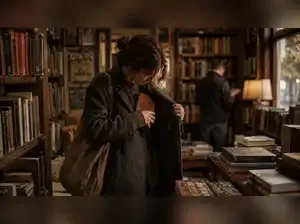
Word of the Day: In an era dominated by scrolling screens, fleeting social media trends and shrinking attention spans, one unusual word is reviving conversations among language lovers, librarians and literature enthusiasts alike: bibliokleptomania. The dramatic, tongue-twisting term describes an obsessive urge to steal books, not necessarily for profit, but out of an overwhelming emotional attachment to them. The word captures a curious intersection of passion, compulsion and literary fascination, making it a compelling “Word of the Day” for readers who enjoy rare vocabulary with layered meanings.
Though rarely used in everyday conversation, bibliokleptomania has quietly appeared in discussions surrounding famous historical book thieves, collectors and eccentric scholars who treated rare manuscripts almost like sacred relics. The term sounds theatrical, intellectual and mysterious all at once, the kind of word that instantly commands attention in both speech and writing.
Unlike ordinary theft motivated by money, the word often implies an emotional or psychological fixation on books themselves, their ideas, beauty, rarity or sentimental value.
Pronounced as: bib-lee-oh-klep-toh-MAY-nee-uh
Its elaborate structure gives it a scholarly aura, making it popular among lovers of obscure vocabulary.
Historians often cite figures such as Italian count and manuscript collector Guglielmo Libri, who was accused of stealing thousands of rare texts from French libraries in the 1800s. While not everyone associated with book theft suffered from actual compulsive behavior, the phenomenon inspired the creation of elaborate literary terms like bibliokleptomania.
Today, the word is mostly used humorously or metaphorically. A reader joking about “never returning borrowed novels” may describe themselves as having mild bibliokleptomania.
Language enthusiasts are also drawn to the word’s dramatic rhythm. At six syllables, it sounds almost musical when spoken aloud. Rare words often survive because they evoke imagery, and bibliokleptomania instantly paints the portrait of someone so enchanted by literature that ordinary rules no longer apply.
The word also reflects humanity’s enduring emotional relationship with books. For centuries, manuscripts were treasured objects copied by hand and guarded in libraries like jewels. In some cultures, stealing a rare text was considered nearly as serious as stealing sacred treasure.
This renewed appreciation for printed books has also revived interest in obscure literary vocabulary. Social media communities dedicated to unusual words frequently spotlight terms like bibliokleptomania because they combine intellect with storytelling.
BookTok, online reading clubs and aesthetic “dark academia” trends have especially contributed to the popularity of ornate language connected to libraries and literature.
Some collectors reportedly believed rare books “belonged” with them emotionally, creating a romanticized image of literary theft in novels and films. While the behavior itself is unethical, the word has endured because of its rich cultural associations.
Vocabulary enthusiasts say learning unusual words expands not just communication skills but also imagination. Rare expressions encourage people to think more precisely and creatively about human experiences.
And in the case of bibliokleptomania, the word serves as a reminder that humanity’s love affair with books has always bordered on obsession.
Though rarely used in everyday conversation, bibliokleptomania has quietly appeared in discussions surrounding famous historical book thieves, collectors and eccentric scholars who treated rare manuscripts almost like sacred relics. The term sounds theatrical, intellectual and mysterious all at once, the kind of word that instantly commands attention in both speech and writing.
What does bibliokleptomania mean?
Bibliokleptomania refers to a compulsive or obsessive desire to steal books.Unlike ordinary theft motivated by money, the word often implies an emotional or psychological fixation on books themselves, their ideas, beauty, rarity or sentimental value.
Bibliokleptomania Pronunciation
BibliokleptomaniaPronounced as: bib-lee-oh-klep-toh-MAY-nee-uh
Breaking down the word
The term comes from three Greek roots:- “Biblio” — relating to books
- “Klepto” — to steal
- “Mania” — frenzy or obsession
Its elaborate structure gives it a scholarly aura, making it popular among lovers of obscure vocabulary.
Bibliokleptomania Origin and historical background
The roots of bibliokleptomania trace back to the 19th century, when rare-book collecting became fashionable among European aristocrats and academics. During that period, some collectors became notorious for secretly removing manuscripts from monasteries, universities and private archives.Historians often cite figures such as Italian count and manuscript collector Guglielmo Libri, who was accused of stealing thousands of rare texts from French libraries in the 1800s. While not everyone associated with book theft suffered from actual compulsive behavior, the phenomenon inspired the creation of elaborate literary terms like bibliokleptomania.
Today, the word is mostly used humorously or metaphorically. A reader joking about “never returning borrowed novels” may describe themselves as having mild bibliokleptomania.
Synonyms of bibliokleptomania
While few words carry exactly the same meaning, several terms share similar ideas:- Bibliomania
- Book obsession
- Literary compulsion
- Kleptomania
- Manuscript obsession
- Book-hoarding impulse
Antonyms of bibliokleptomania
Words expressing the opposite idea include:- Generosity
- Detachment
- Minimalism
- Book-sharing
- Altruism
- Philanthropy
How to use bibliokleptomania in sentences
In literature
“The aging professor’s bibliokleptomania led him to hide priceless first editions beneath his floorboards.”In journalism
“Investigators suspected the disappearance of rare archives was linked to a case of bibliokleptomania rather than commercial theft.”In casual conversation
“My friend jokingly calls her habit of never returning novels bibliokleptomania.”In academic writing
“The study explored how bibliokleptomania differs psychologically from ordinary criminal behavior.”In creative fiction
“The monastery’s silent corridors concealed centuries of bibliokleptomania among wandering scholars.”Why the word fascinates readers
Part of the appeal of bibliokleptomania lies in its contradiction. Books are traditionally associated with wisdom, morality and enlightenment. Pairing them with theft creates a strangely poetic tension.Language enthusiasts are also drawn to the word’s dramatic rhythm. At six syllables, it sounds almost musical when spoken aloud. Rare words often survive because they evoke imagery, and bibliokleptomania instantly paints the portrait of someone so enchanted by literature that ordinary rules no longer apply.
The word also reflects humanity’s enduring emotional relationship with books. For centuries, manuscripts were treasured objects copied by hand and guarded in libraries like jewels. In some cultures, stealing a rare text was considered nearly as serious as stealing sacred treasure.
Modern relevance in the digital age
Ironically, the rise of e-books and digital reading has made physical books feel even more precious to collectors. Limited-edition hardcovers, annotated classics and signed novels are increasingly viewed as cultural artifacts.This renewed appreciation for printed books has also revived interest in obscure literary vocabulary. Social media communities dedicated to unusual words frequently spotlight terms like bibliokleptomania because they combine intellect with storytelling.
BookTok, online reading clubs and aesthetic “dark academia” trends have especially contributed to the popularity of ornate language connected to libraries and literature.
The psychology behind the term
Psychologists distinguish between ordinary theft and compulsive behaviors tied to emotional gratification. In fictional and historical accounts, bibliokleptomania is often portrayed less as greed and more as obsession.Some collectors reportedly believed rare books “belonged” with them emotionally, creating a romanticized image of literary theft in novels and films. While the behavior itself is unethical, the word has endured because of its rich cultural associations.
Why rare words still matter
Words like bibliokleptomania demonstrate the extraordinary flexibility of the English language. A single elaborate term can capture psychology, history, literature and emotion all at once.Vocabulary enthusiasts say learning unusual words expands not just communication skills but also imagination. Rare expressions encourage people to think more precisely and creatively about human experiences.
And in the case of bibliokleptomania, the word serves as a reminder that humanity’s love affair with books has always bordered on obsession.