IIT Madras and IISc Bengaluru report novel carbon-free ferrocene analog
NewsBytes | May 13, 2026 12:39 PM CST
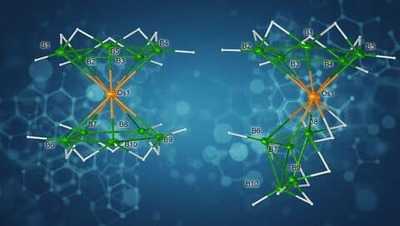
Modeling led to osmium-stabilized boron rings
The team, used smart computational modeling to figure out osmium would best stabilize boron rings.
They cooked up the compound at 100 degrees Celsius for 8 hours, ending up with a colorless solid confirmed by X-ray diffraction.
Thanks to hydrogen bridges in the boron rings, this structure is even stronger than traditional ferrocene, which means it could help create better catalysts for pharmaceutical manufacturing and inspire new boron-based materials like borophenes.
READ NEXT
-
'From collection to connection': How museums are redefining themselves

-
May global fiction: New novels from Booker favourites Douglas Stuart and Elizabeth Strout, and more

-
Tragic Train-Bus Collision in Bangkok Claims Lives

-
Satwik-Chirag storm into Thailand Open 2026 doubles final

-
Strengthening India-Bangladesh Relations: A Local Dialogue Approach