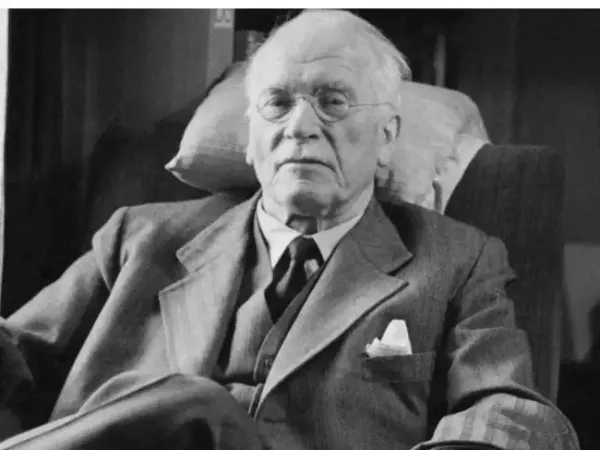
In a world where people are constantly judged by appearance, success, social media presence and public opinion, many continue to search for a real sense of identity. That is one reason why quotes from Carl Jung still remain widely shared years after his death. His ideas about the human mind, self-awareness and personal growth continue to influence readers, psychologists and even modern discussions around mental health and individuality.
The quote of the day by Carl Jung goes: “The world will ask you who you are and if you don't know the world will tell you.”
The phrase may sound straightforward at first, but it carries a strong message about understanding oneself before outside voices begin shaping a person’s identity. Jung believed that many people spend their lives trying to fit into roles created by society, family or culture without truly asking themselves what they actually want or believe. According to the idea behind this quote, when a person does not understand their own values or personality, other people often step in and define it for them.
The line also reflects the pressure many individuals experience in everyday life. From childhood itself, people are often told what success should look like, what career path to choose, how to behave or what kind of person they should become. Jung’s quote of the day pushes against that way of living. It suggests that self-knowledge matters because without it, identity can slowly become controlled by outside expectations rather than personal understanding.
Even though Jung lived in the early twentieth century, many of his ideas continue to feel modern. In today’s online world, people are constantly exposed to opinions, trends and comparisons. Social media especially has made it easier for individuals to shape themselves according to public approval. Jung’s quote feels important because it reminds people to pause and understand themselves before trying to satisfy everyone else.
He spent much of his time observing people and thinking about religion, dreams and human behaviour. His relationship with his parents, especially his father, influenced many of his later ideas. Jung reportedly struggled to understand his father’s weakening faith in religion, while he himself remained curious about spiritual experiences and the inner workings of the mind.
As a student, Jung first became interested in philosophy before moving toward medicine and psychiatry. He studied at the University of Basel and later continued his medical education in Zürich. During his training, he developed an interest in mental illness and psychological research, subjects that would later define his career.
His work also brought him close to Sigmund Freud. For several years, Freud and Jung worked together and shared many ideas about the unconscious mind. Freud even viewed Jung as a possible successor within the psychoanalytic movement.
However, their relationship eventually broke down because of major differences in theory. Freud strongly linked psychological conflicts to sexuality, while Jung believed the human mind was far more complex and influenced by broader emotional and spiritual forces. Their split became official after Jung published work that challenged several Freudian ideas.
Another major idea developed by Jung was the “collective unconscious.” He believed that beyond personal memories, humans also shared deeper symbolic patterns inherited across cultures and generations. According to Jung, these shared symbols appeared in myths, dreams, religion and art.
He also spoke about archetypes, which he described as universal symbols or personality patterns that repeatedly appear throughout human history. Concepts like the hero, the mother figure or the wise old man were examples Jung often explored.
One of his most important ideas was individuation. Jung believed people should work toward understanding every part of themselves, including fears, weaknesses and hidden emotions. In his view, personal growth happened when individuals stopped denying parts of their identity and instead learned to integrate them honestly.
Many personality assessments used today were influenced by Jung’s theories, including systems based on introversion and extroversion. His writings on dreams and the unconscious mind also inspired generations of therapists and readers interested in understanding human behaviour more deeply.
Jung continued writing and practising psychiatry throughout his life. Among his well-known works are Psychological Types, Modern Man in Search of a Soul, Psychology and Religion and Memories, Dreams, Reflections. His personal writings later appeared in The Red Book, which documented his inner struggles, visions and reflections.
He died in 1961 at the age of 85, but his ideas still remain widely discussed across psychology, literature and modern culture.
The quote of the day by Carl Jung goes: “The world will ask you who you are and if you don't know the world will tell you.”
The phrase may sound straightforward at first, but it carries a strong message about understanding oneself before outside voices begin shaping a person’s identity. Jung believed that many people spend their lives trying to fit into roles created by society, family or culture without truly asking themselves what they actually want or believe. According to the idea behind this quote, when a person does not understand their own values or personality, other people often step in and define it for them.
The line also reflects the pressure many individuals experience in everyday life. From childhood itself, people are often told what success should look like, what career path to choose, how to behave or what kind of person they should become. Jung’s quote of the day pushes against that way of living. It suggests that self-knowledge matters because without it, identity can slowly become controlled by outside expectations rather than personal understanding.
Even though Jung lived in the early twentieth century, many of his ideas continue to feel modern. In today’s online world, people are constantly exposed to opinions, trends and comparisons. Social media especially has made it easier for individuals to shape themselves according to public approval. Jung’s quote feels important because it reminds people to pause and understand themselves before trying to satisfy everyone else.
Carl Jung’s early life and background
Carl Gustav Jung was born on July 26, 1875, in Kesswil, Switzerland. He came from a family connected to religion and education. His father was a pastor, while several relatives were involved in theology and academics. Jung’s childhood, however, was not particularly easy. Reports about his early years often describe him as lonely and deeply thoughtful from a young age.He spent much of his time observing people and thinking about religion, dreams and human behaviour. His relationship with his parents, especially his father, influenced many of his later ideas. Jung reportedly struggled to understand his father’s weakening faith in religion, while he himself remained curious about spiritual experiences and the inner workings of the mind.
As a student, Jung first became interested in philosophy before moving toward medicine and psychiatry. He studied at the University of Basel and later continued his medical education in Zürich. During his training, he developed an interest in mental illness and psychological research, subjects that would later define his career.
His work in psychology changed modern thinking
Jung began working at the Burghölzli Psychiatric Hospital in Zürich under psychiatrist Eugen Bleuler. During this period, he carried out word association experiments that explored how hidden emotions influenced responses. His research helped him build an international reputation in psychiatry.His work also brought him close to Sigmund Freud. For several years, Freud and Jung worked together and shared many ideas about the unconscious mind. Freud even viewed Jung as a possible successor within the psychoanalytic movement.
However, their relationship eventually broke down because of major differences in theory. Freud strongly linked psychological conflicts to sexuality, while Jung believed the human mind was far more complex and influenced by broader emotional and spiritual forces. Their split became official after Jung published work that challenged several Freudian ideas.
The ideas that made Jung famous
Jung later founded what became known as analytical psychology. He introduced concepts that are still widely discussed today, including introversion and extroversion. These personality terms eventually entered everyday language and continue to shape personality studies even now.Another major idea developed by Jung was the “collective unconscious.” He believed that beyond personal memories, humans also shared deeper symbolic patterns inherited across cultures and generations. According to Jung, these shared symbols appeared in myths, dreams, religion and art.
He also spoke about archetypes, which he described as universal symbols or personality patterns that repeatedly appear throughout human history. Concepts like the hero, the mother figure or the wise old man were examples Jung often explored.
One of his most important ideas was individuation. Jung believed people should work toward understanding every part of themselves, including fears, weaknesses and hidden emotions. In his view, personal growth happened when individuals stopped denying parts of their identity and instead learned to integrate them honestly.
Jung’s influence reached beyond psychology
Although Jung’s theories were sometimes criticised for lacking scientific proof, his influence spread far beyond psychiatry. Writers, filmmakers, artists and scholars drew inspiration from his ideas about dreams, myths and symbols. His work also shaped discussions around spirituality and self-discovery.Many personality assessments used today were influenced by Jung’s theories, including systems based on introversion and extroversion. His writings on dreams and the unconscious mind also inspired generations of therapists and readers interested in understanding human behaviour more deeply.
Jung continued writing and practising psychiatry throughout his life. Among his well-known works are Psychological Types, Modern Man in Search of a Soul, Psychology and Religion and Memories, Dreams, Reflections. His personal writings later appeared in The Red Book, which documented his inner struggles, visions and reflections.
He died in 1961 at the age of 85, but his ideas still remain widely discussed across psychology, literature and modern culture.