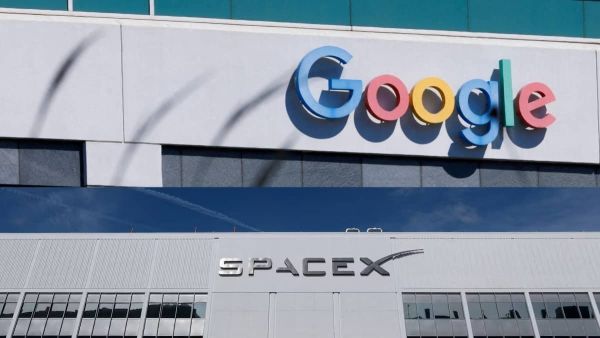
Google is reportedly in talks with Elon Musk’s SpaceX for a rocket launch deal tied to one of the technology industry’s strangest and most ambitious ideas yet: putting data centres in orbit.
According to The Wall Street Journal, the discussions are linked to Google’s expanding efforts around orbital computing infrastructure, including plans to deploy prototype satellites as part of its broader “Project Suncatcher” initiative.
Which means the AI race is no longer just about chips, models, cloud platforms, or data centres on Earth. Now the industry is seriously exploring whether future AI infrastructure belongs in space.
Humanity looked at escalating AI power consumption and apparently concluded: “Perhaps the solution is orbital server farms.”
Why Big Tech Suddenly Wants Data Centres in Orbit
The core problem is simple. AI infrastructure is becoming absurdly resource-intensive.
Modern AI models require enormous amounts of electricity, cooling, land, water, and semiconductor infrastructure. And those demands are increasing rapidly as companies train larger and more complex systems.
Orbital data centres theoretically solve several of those problems simultaneously. Satellites in space can:
receive uninterrupted solar energy
avoid terrestrial land limitations
reduce environmental pressure on Earth-based infrastructure
potentially improve global connectivity and processing distribution
In theory, orbital compute platforms could become massive solar-powered AI factories floating above Earth. In practice, the economics currently look borderline insane.
Google’s ‘Project Suncatcher’ Is Already Underway
The report suggests Google plans to launch prototype satellites by 2027 under a project internally called Project Suncatcher, working with satellite imaging company Planet Labs.
The company has reportedly been studying the feasibility of space-based data centres for some time, particularly as AI workloads continue growing aggressively.
Several companies and startups are already experimenting with orbital computing systems, including Starcloud, Nvidia-backed initiatives, Lumen Orbit, and SpaceX-linked projects.
In fact, some early AI inference systems and even lightweight language model training experiments have already been conducted in orbit.
Why SpaceX Matters Here
If Google wants to deploy infrastructure in orbit at scale, SpaceX is the obvious launch partner. The company dominates commercial launch capacity globally through Falcon 9 and Starship operations.
SpaceX also already has reusable rocket infrastructure, large-scale satellite deployment experience, Starlink integration, and ambitions around orbital AI infrastructure itself.
Which creates an interesting dynamic.
Google and SpaceX may simultaneously become partners in launch infrastructure and future competitors in orbital computing.
The Wall Street Journal report specifically notes that both companies are preparing for a future where orbital data centres become commercially viable.
-
'In my darkest times, biggest light in my life is...': Amid divorce battle, Celina Jaitly reveals one Bollywood actress who stood by her side. Who is she?

-
Arm Holdings to face US antitrust probe over chip tech: Report

-
UK firms should take steps to limit risks from frontier AI models

-
From cost centre to strategic lever: The new workplace contract taking shape in India

-
Garena Free Fire Max Redeem Codes for May 16, 2026: Unlock 10+ rewards now