Brits have been encouraged to follow an eight-part health checklist, with experts warning around five million are unknowingly living with a "silent killer" condition. Following this advice could help lower your risk of high blood pressure.
High blood pressure, or hypertension, is a serious condition which can increase your risk of a heart attack, stroke or kidney damage if it's not treated. It's estimated that 16 million people in the UK have high blood pressure, but nearly five million of them don't know they have it.
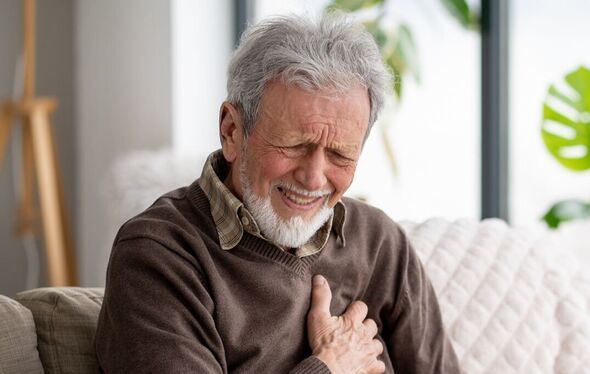
With this in mind, the British Heart Foundation (BHF) has issued a list of easy steps that can help manage or lower your blood pressure, from free checks to simple food swaps. Professor Bryan Williams, chief scientific and medical officer at BHF, said: "High blood pressure is known as the silent killer for good reason as it usually doesn't cause any symptoms.
"All too often I see patients who have suffered serious heart disease or stroke caused by their high blood pressure and they had no idea their blood pressure had been elevated, probably for many years. The only way of being sure you don't have high blood pressure is to get it checked, it is simple to do, and May Measurement Month is a great time to do it.
"The sooner you know your numbers, the sooner doctors can decide whether treatment is needed to reduce your future risk of heart disease, kidney disease, stroke and dementia." The full BHF checklist is provided below.
The only way to know if you have high blood pressure is to measure it. There are lots of places which offer free checks, from GP surgeries and pharmacies to some workplaces, supermarkets and betting shops.
Tesco has partnered with the BHF to offer free walk-in and pre-booked blood pressure checks at 350 Tesco Pharmacies across the UK. The NHS also has a useful tool that can help you find your nearest pharmacy that offers free blood pressure checks.
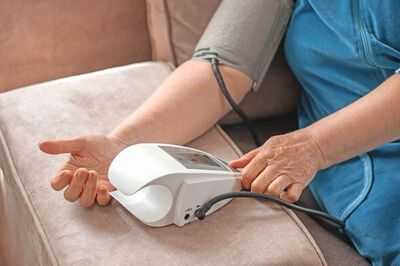
If you or your doctor thinks you're at risk of high blood pressure, you may want to monitor your blood pressure at home. The BHF has information on its website on how to find the best blood pressure monitor for you, and how to take an accurate reading, including a free blood pressure chart and diary.
Do regular exerciseAim to do some moderate-intensity activity every day. It doesn't have to be for long - even 10 minutes will help keep your heart and blood pressure healthy. Eventually, you should build up to at least 150 minutes of moderate exercise a week, or 75 minutes of vigorous exercise.
Aerobic exercise is best for lowering your blood pressure and heart rate at rest, while strength exercises will help strengthen your muscles to make aerobic exercise easier. The BHF recommends a combination of both every week, in addition to some balance and stretching exercises.
The BHF website has videos of 10-minute low and moderate-intensity exercises that anyone can do, in addition to tips on how to incorporate more exercise into everyday life without having to go to the gym.
Eat at least five portions of fruit and veg a dayBeetroot and its juice have been found to help control blood pressure, according to BHF-funded research. That is thought to be because beetroot is a concentrated form of nitrates, which may help to lower blood pressure. However, you can also find nitrates in other fruits or vegetables, including spinach, celery, kale, bananas and strawberries.
Potassium can also help lower blood pressure, and this is found in all fruits and vegetables, so try and eat at least five varied portions a day. The BHF advises getting potassium through your diet rather than supplements, as too much can be harmful and affect your heart rhythm.
 Include dairy in your diet
Including milk and dairy foods as part of a healthy, balanced diet can help lower blood pressure. Dairy products contain a complex combination of nutrients, including calcium which has been linked to blood pressure reduction. Choosing low-fat options helps you avoid eating too much saturated fat, which can be harmful for your heart.
If you've been diagnosed with high blood pressure, consider adopting the DASH diet (Dietary Approaches to Stop Hypertension). Created by researchers at the National Heart, Lung and Blood Institute in the USA in the 1990s, it's been shown to be helpful by numerous studies.
Find out about the symptoms you need to watch out for and get health advice with our free health newsletter from the Daily Express
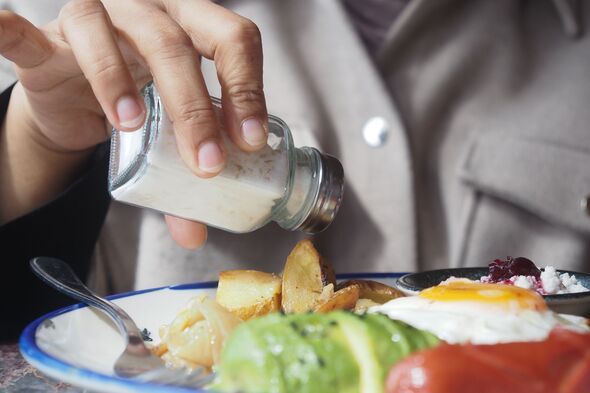
Cut down on saltSalt can raise your blood pressure. The average working-age adult in England eats an average 8.4g of salt per day - 40% more than the Government's recommended maximum of 6g, around one teaspoon.
Although we all need some salt in our diets, too much of it can pull water back into the bloodstream which raises blood pressure.
A lot of the salt we eat is already in the food we buy, which makes it hard to know exactly how much salt we're eating. The BHF recommends cutting down on processed foods like crisps, sauces, pickles and processed meat like ham, bacon and sausages to help lower your blood pressure. The charity is also calling on the Government to give food manufacturers an incentive to take our excessive amounts of salt from our food.
Drink in moderationIf you drink alcohol, stick within the recommended guidelines of no more than 14 units a week, and aim to have several alcohol-free days each week.
Manage your weightFor some people, losing weight is all they need to do to lower their blood pressure to a normal level. The BHF recommends making small but realistic changes to your lifestyle rather than following an extreme weight loss plan or restrictive diet.
Set yourself achievable weight loss goals, such as initially aiming to lose 10% of your body weight. This will have big health benefits, even if your weight is still classed as overweight or obese afterwards.
Take medicines as prescribedIf you've been diagnosed with high blood pressure or your doctor has said you may be at risk, you may be prescribed medicine to help control it. Always take your medicines as prescribed, and don't stop taking them without consulting your GP first.
If you are concerned about your blood pressure, you should speak to your GP.
-
Bikers escape narrowly as electric pole explodes in Chikkamagaluru

-
NHS new 'revolutionary' 60-second jab treats 14 cancers as Dr Hilary shares 'good news'
-
Resurfaced GMB clip shows furious Jess Phillips refuse to answer Keir Starmer question
-
Tamil Nadu: DMK's Udhayanidhi Stalin reiterates call for 'eradication' of Sanatana Dharma

-
The UK's top 100 curry restaurants for 2026 named - is your local on the list?