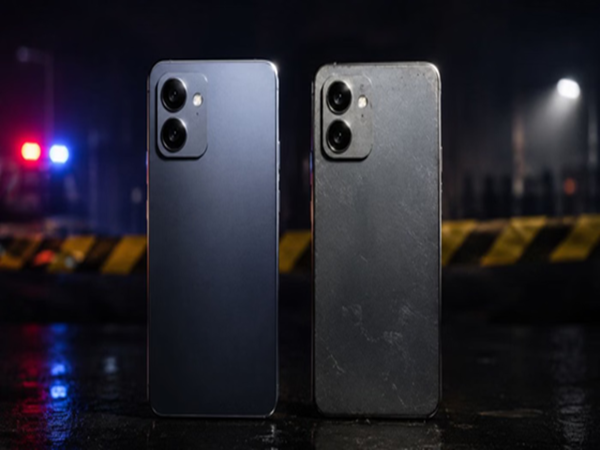
Karol Bagh and Moti Nagar—areas within the national capital, Delhi—are considered major hubs for mobile phones and electronic gadgets. Capitalizing on this, cunning fraudsters were duping customers by manufacturing exact replicas of products from major brands such as Realme, OPPO, and OnePlus. Raids conducted by the Crime Branch have resulted in the seizure of a massive quantity of counterfeit mobile phones and chargers.
While these devices appear identical to the originals, their quality is extremely substandard. This not only amounts to a waste of the customer's money but can also pose significant safety risks. Consequently, it is crucial to know how to distinguish between genuine and counterfeit products when purchasing a new phone or accessories.
**Beware of the Lure of Heavy Discounts**
Fraudsters invariably trap customers by enticing them with rock-bottom prices. If an unauthorized retailer offers you a smartphone worth ₹30,000—brand new and in sealed packaging—for just ₹15,000, you can be certain that something is amiss. Retailers often attempt to justify the low price by claiming that the phone is exempt from import duties or was purchased directly from the manufacturer. Reputable brands, however, do not offer such outlandish discounts. Always make your purchases from official brand stores, established retail chains, or trusted e-commerce platforms. When buying a phone from a physical store, ensure you insist on receiving a proper invoice (GST Bill).
**Closely Examine the Packaging and Box**
Identifying a counterfeit phone often begins with a close inspection of its packaging box. Genuine brands utilize packaging of exceptionally high quality; the fonts, colors, and logos printed on their boxes are crisp and clearly defined. In contrast, the packaging for counterfeit phones frequently contains spelling errors. Furthermore, the plastic shrink-wrap on these fake products is often flimsy and ill-fitting. When making a purchase, look up an image of the genuine product's packaging online and compare it against the box provided by the retailer. Finally, do not forget to carefully inspect the barcode and the security seal. **Unlocking a Phone's Complete Profile via its IMEI Number**
The most definitive proof of whether any phone is genuine or fake is its IMEI (International Mobile Equipment Identity) number. As soon as you have the phone in hand, open the dialer and dial *#06#. A 15-digit number will then appear on your screen. Cross-reference this number with the one printed on the phone's packaging and on the invoice provided by the retailer. If these numbers do not match, the phone is undoubtedly a fake. Furthermore, you can enter this number on the Government of India's KYM (Know Your Mobile) portal or on the manufacturer's official website to access the phone's complete specifications and history.
**Pay Attention to Build Quality, Weight, and Finish**
Manufacturers of counterfeit phones may successfully mimic the design, but they fail to replicate the premium quality found in genuine devices. Compared to authentic models, fake phones are often constructed using cheap plastic materials. When you hold one in your hand, its weight will feel noticeably different—either significantly lighter than the genuine article or excessively heavy. Additionally, you will observe clear discrepancies and a sense of cheapness in the construction of the camera lens, the tactile feedback and sound of the side buttons (volume and power), and the finish of the charging port.
**Test the Software and Performance**
Insist that the retailer power on the phone so you can test it out personally. The software—specifically the User Interface (UI)—of genuine brands is typically very smooth; in contrast, you will immediately notice lag and stuttering when operating a counterfeit phone. Fake phones often come pre-loaded with numerous unnecessary Chinese applications.
Furthermore, navigate to the phone's settings and check the "About Phone" section. Counterfeit phones often feature packaging that boasts the latest processors and RAM specifications, yet the device itself contains outdated software and significantly less memory. The camera's photo quality will also be noticeably inferior and blurry compared to that of a genuine device.
Identify the Quality of Chargers and Cables
Police raids have uncovered a significant number of counterfeit accessories. Using fake chargers and cables poses a serious risk of the phone's motherboard burning out or the battery exploding. An authentic adapter is slightly heavier, and its safety ratings and brand name are printed with absolute clarity. Counterfeit chargers are very lightweight, and the finish of their USB ports is typically of poor quality. Try bending the cable: an authentic cable feels sturdy and flexible, whereas a fake one feels stiff and appears prone to breaking easily.
Disclaimer: This content has been sourced and edited from Amar Ujala. While we have made modifications for clarity and presentation, the original content belongs to its respective authors and website. We do not claim ownership of the content.
-
Work From Home: If you are working from home, then setup your workstation in these ways, productivity will double.

-
Opposition raised questions on Prime Minister Modi’s appeal, Sharad Pawar demanded to call an all-party meeting, said – discussion on future policies is necessary

-
Ayurvedic Upay for Stress: This ancient knowledge of Patanjali can provide relief in corporate stress and hectic life.

-
Does your child also remain engrossed in his mobile for hours? Be careful! This small habit is making him mentally ill

-
Golden Child Syndrome: Parents’ mistakes can cost the child dearly! You are not making this mistake?