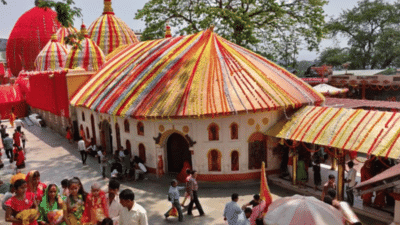
New Delhi: Nestled atop the picturesque Nilachal Hill in Guwahati, Assam, the Kamakhya Temple stands as one of the most sacred and revered pilgrimage sites in India. This ancient shrine is dedicated to Goddess Kamakhya, the Mother Shakti, and holds the distinction of being one of the 51 Shakti Peethas according to Hindu mythology. According to legend, this is the exact location where Goddess Sati’s womb and reproductive organs fell when Lord Vishnu’s Sudarshan Chakra cut her body into 51 pieces, while Lord Shiva carried her burning body in profound grief. The temple is particularly significant for tantric practitioners and is renowned for its unique worship of the goddess in the form of a natural rock fissure shaped like a yoni, rather than a traditional idol.
Today, it attracts thousands of devotees, tourists, and history enthusiasts annually, especially during the famous Ambubachi Mela, which celebrates the goddess’s annual menstrual cycle. In this comprehensive guide, you’ll discover everything about the temple’s fascinating history, unique rituals, darshan procedures, timing details, how to reach the temple, and essential tips for a peaceful spiritual experience. So keep reading to plan your pilgrimage perfectly.
Who is Goddess KamakhyaGoddess Kamakhya, also known as Kameswari, is worshipped as the goddess of desire, fertility, and creation. Hindus believe she grants wishes related to love, marriage, and fertility. The temple is especially significant for followers of the tantric sect of Hinduism, serving as a powerful centre for Tantra Sadhana (spiritual practices involving meditation and rituals). Unlike most temples, there is no physical idol – devotees worship a natural rock fissure in the shape of a yoni, representing the goddess’s womb and the power to give birth and nurture life.
Kamakhya Temple historyThe temple is believed to be over 1,000 years old, dating back to the 8th–9th century CE. The original temple was initially destroyed during Hussein Shah’s invasion of the Kamata Kingdom. Later, Vishwasingha, the founder of the Koch dynasty (1515–1540), discovered the ruins and revived worship at the site. The reconstruction was completed during his son King Nara Narayan’s reign in 1565 by his brother Chilarai, a prominent Koch dynasty ruler. Since then, Kamakhya Dham has remained an important centre for Tantric Hinduism and once served as a secret place where tantric practitioners performed mystical rituals.
Temple architecture: The Nilachal styleThe Kamakhya Temple follows a unique Nilachal-type architecture with a dome-shaped structure on a cruciform base, blending North Indian and Assamese architectural styles.
Key architectural features:
| Garbhagriha (Sanctum) | Below ground level; descend rock-cut steps to reach a natural yoni-shaped rock fissure filled with water from an underground spring |
| Calanta | Square chamber with atchala-style roof containing small movable idols of various gods and goddesses |
| Pancharatna | Large rectangular hall with flat roof and five small spires on the rooftop |
| Natamandir | Hall with arched end and ridged roof in Ahom architectural style; walls inscribed with historical records |
The Ambubachi Mela is the temple’s most famous festival, celebrated during the monsoon season in the Assamese month of Ahaar (mid-June). This festival marks Goddess Kamakhya’s annual menstruation cycle, symbolising fertility and nature’s creative power.
Key rituals during Ambubachi:
-
The temple remains closed for three days as the goddess is believed to be resting during her menstrual cycle
-
Devotees avoid cooking, performing puja, reading holy books, or farming during this period
-
On the fourth day, the temple reopens with grand celebrations; thousands of devotees, sadhus, and tantric practitioners gather to honour the goddess
-
Small pieces of red cloth (Raktavastra or Angavastra) are given to devotees free of cost by authorised Shebaits as blessings
-
The Brahmaputra River near the temple is believed to turn red during this time
| Morning Opening | 5:30 AM |
| General Darshan | 8:00 AM – 1:00 PM |
| Temple Closure for Rituals | 1:00 PM – 2:30 PM |
| Evening Darshan | 2:30 PM – 5:15 PM |
| Closing Time | 10:00 PM |
Early morning darshan is recommended to avoid long queues.
How to do darshan at Kamakhya TempleThere are two types of visits available:
Complete Ritual Darshan (4–5 hours)-
Enter the main sanctum
-
Holy water (yoni) darshan
-
Sprinkling holy water
-
Full ritual process with Pandit guidance
-
No entry into the sanctum area
-
No holy water ritual
-
Simple darshan and exit
-
Use Gate Number 2 for fastest and cleanest entry
Reach the foothill of Nilachal Hill in Guwahati
Take vehicles, shared jeeps, or local vans up the hill road
Obtain a token from the counter near the temple
For VIP darshan (₹500), purchase passes only at the temple—not available online
General darshan is free of cost
-
Nearest Airport: Lokpriya Gopinath Bordoloi International Airport, Guwahati
-
Distance: Approximately 20 km from the temple
-
Travel Time: 40–60 minutes depending on traffic
-
Nearest Station: Kamakhya Railway Station (closest, ~6 km from temple)
-
Alternative: Guwahati Railway Station (~8 km from temple)
-
Guwahati station is better connected to major Indian cities
-
Distance from ISBT: 16.5 km from Inter-State Bus Terminus
-
Regular buses and taxis connect Guwahati city with Kamakhya Dham
-
You can hire taxis, autos, or book private cabs; pre-booking recommended
-
Assam Tourism Department buses also ply to and from the temple and railway station
-
Note: The temple is atop Nilachal Hill—be prepared to walk uphill or use rock-cut staircase from the base
-
Porters are available to carry elderly devotees on palanquins
-
Wear modest, respectful clothing: Traditional attire like sarees, kurtas, or long skirts
-
Visit early morning for a peaceful experience with shorter queues
-
Follow temple customs and maintain respectful demeanour
-
Book accommodation in advance: Many guest houses and lodges are available near the temple
-
Photography is strictly prohibited inside any temple on Kamakhya Hill
-
Avoid unauthorized VIP darshan agents—scams are common
-
Don’t bring food, drinks, tobacco products, or sharp weapons
-
Avoid peak hours if you dislike crowds
-
Menstruating women can enter Kamakhya Temple (unlike many Hindu temples)
-
Men are not allowed during Ambubachi Mela
-
Kam Sindoor is NOT produced or available at Kamakhya Temple—any claims are false
-
The flowing water does NOT turn red during Ambubachi—this is a myth
Besides Ambubachi Mela, several other pujas are organised:
-
Durga Puja
-
Durgadeul and Madandeul
-
Manasa Puja
-
Pohan Biya
-
Vasanti Puja
The temple complex also includes an interconnected network of Mahavidyas temples (Sundari, Tripura, Tara, Bhuvaneshvari, Bagalamukhi, and Chinnamasta).
Contact informationFor assistance, guidance, and services for visiting Kamakhya Temple:
-
Mobile: +91 93655 16724 and +91 69004 38920
-
Email: info@Kamakhya.org
-
Official Website: kamakhya.org
Kamakhya Temple is far more than a place of worship, it is a spiritual hub filled with mysticism, over 1,000 years of history, and divine feminine energy. As one of the oldest and most sacred of the 51 Shakti Peethas, it offers a unique experience unlike any other temple in India.
-
ISSO Signs MoU With DP World PGTI To Promote Golf In India’s International Schools

-
Tickets For Punjab Kings’ Home Match Against RCB To Go Live On May 13

-
Asian Shares Mixed: Nikkei 62,775, Kospi 0.9% As AI Excitement Fades & Oil Surges Above $100

-
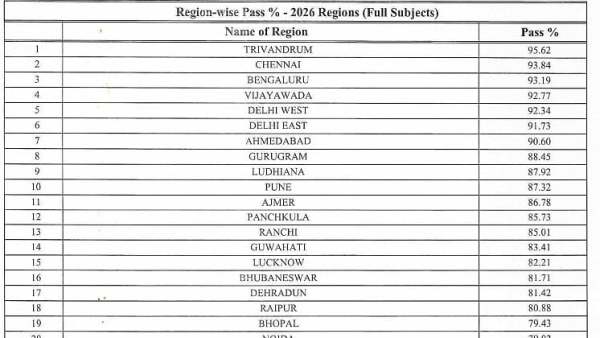
CBSE Class 12 Result 2026: Trivandrum Tops With 95.62%; Pune Secures Strong 87.32%
-
CBSE Class 12 Supplementary Exam 2026 To Be Held On July 15; Check Details Here