The International Day of Plant Health is observed every year on May 12 to spread awareness about the importance of protecting plant life across the world. Declared by the United Nations and promoted by the Food and Agriculture Organization (FAO), the day highlights how healthy plants play a crucial role in ending hunger, reducing poverty, protecting biodiversity and supporting economic growth.
Plants are not just essential for food security and the environment, but they also bring positivity and freshness into our homes. Indoor plants, in particular, have become an important part of modern living spaces. From improving air quality to adding a calming touch to interiors, houseplants offer several benefits. However, keeping them healthy requires proper care and attention.
Here are some simple yet effective tips to help your indoor plants stay fresh, green and thriving.
Start With The Right Soil
Healthy plants begin with healthy roots, and the right potting mix plays a major role in supporting root growth. A good soil mix should provide the right balance of moisture retention and airflow. Different plants have different needs, so it is important to choose soil accordingly. While most indoor plants grow well in regular potting mix, succulents and cacti need fast-draining soil.
Water Your Plants Carefully
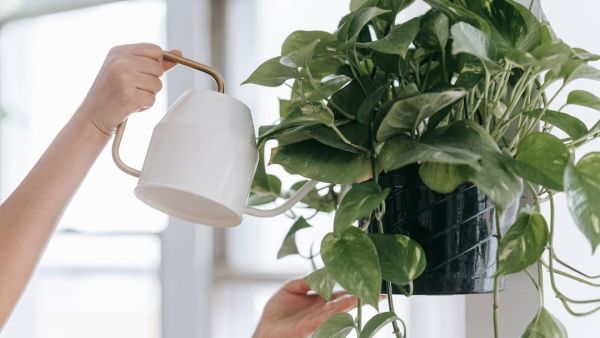
One of the most common mistakes in indoor gardening is overwatering. Instead of watering on a fixed schedule, check the soil with your finger before adding water. If the top layer feels dry, most houseplants are ready for watering. When watering, make sure the soil is soaked evenly and excess water drains out properly. Deep watering less often is generally better than giving small amounts frequently.
Give Them Enough Light
Light is essential for healthy plant growth, but different indoor plants require different levels of sunlight. Some plants thrive in bright indirect light, while others can tolerate lower light conditions. Watch your plants closely for signs of stress. Fading leaves, brown edges or weak growth can indicate improper lighting.
Fertilise In Moderation
Indoor plants need nutrients to continue growing well, especially during active growing months like spring and summer. Fertilisers help replenish nutrients that are gradually lost from the soil through watering. However, too much fertiliser can damage the roots and affect plant health. It is always better to follow the recommended quantity and avoid overfeeding your plants.
Repot When Necessary
As plants grow, they eventually outgrow their containers. Roots coming out of drainage holes or water passing through the pot too quickly are signs that repotting may be needed. Choosing a slightly larger pot with fresh soil gives the roots more space to grow. Repotting is usually best done during the growing season when plants can adjust more easily.
Maintain Humidity Levels
Many indoor plants, especially tropical varieties, enjoy humid conditions. Dry indoor air can sometimes cause leaves to turn brown or dry at the edges. Using a humidifier, misting the leaves occasionally or placing plants near a tray filled with pebbles and water can help increase moisture levels around them.
Move Plants According To Seasons
Indoor light conditions often change with the seasons. During winter months, plants may need to be moved closer to windows or brighter areas to receive enough sunlight. Some plants may also benefit from artificial grow lights if natural light becomes limited indoors.
Watch Out For Pests
Indoor plants can sometimes attract pests like spider mites and insects. Regularly checking the leaves and stems can help identify problems early before they spread. If pests are found, isolating the affected plant and treating it quickly can prevent damage to other plants nearby.
-
RBI to pay biggest-ever dividend to central government, decided May

-
India hikes gold and silver import duty to 15%

-
Bayer's FarmRise app reaches over 50L farmers in India

-
RBI Governor Sanjay Malhotra warns Indian fuel prices could rise

-
Anthropic nearing Stainless acquisition and seeking at least $30B funding