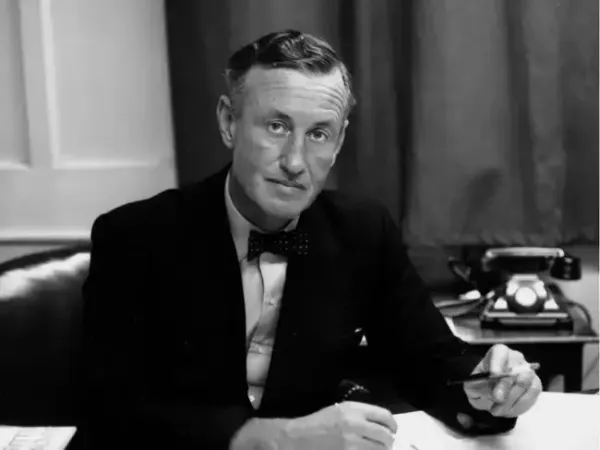
Adventures are not always about travel or thrilling experiences; they can also mean trying something new, taking risks, meeting people, or stepping outside one’s comfort zone. Saying “yes” to opportunities helps a person grow, learn, and create unforgettable memories. On the other hand, constantly refusing new experiences can make life repetitive and unexciting. Fear and hesitation often stop us from enjoying life fully. By welcoming adventures, we discover our strengths, gain confidence, and make life more meaningful, exciting, and memorable.
Years ago, James Bond creator Ian Fleming urged people to go, have adventures.
Ian Fleming On Importance Of Adventures
In his book Chitty-Chitty-Bang-Bang: The Magical Car, a character Commander Caractacus Pott (the eccentric inventor) tells his kids, “Never say 'no' to adventures. Always say 'yes,' otherwise you'll lead a very dull life."
Deeper Meaning Of This Quote
Adventures are not limited to travelling or thrilling experiences; they also include taking risks, accepting change, meeting new people, and stepping beyond familiar boundaries. Life becomes meaningful when people allow themselves to explore opportunities instead of remaining trapped in fear or routine.
The quote suggests that growth happens outside one’s comfort zone. Every new experience, whether successful or challenging, teaches valuable lessons and shapes character. Saying “yes” to life opens the door to discovery, confidence, and unforgettable memories. In contrast, constantly avoiding risks can create a monotonous existence filled with regret and missed opportunities.
Ultimately, the quote inspires people to live boldly, welcome uncertainty, and make the most of the limited time they have, because true happiness often lies in the adventures we dare to take.
Relevance Of Ian Fleming’s Words
The quote is deeply relevant in today’s world, where many people are confined by routines, stress, and fear of uncertainty. It encourages individuals to welcome new experiences and approach life with enthusiasm and courage. Adventures are not only about travelling to distant places; they also include trying new opportunities, meeting different people, learning unfamiliar skills, and taking risks that lead to personal growth.
The quote is especially meaningful in modern times because people often avoid challenges due to fear of failure or rejection. However, growth and success usually come from stepping outside one’s comfort zone. By saying “yes” to experiences, people gain confidence, wisdom, and unforgettable memories.
Its message reminds us that life should not simply be about safety and routine. Instead, it should be filled with exploration, learning, excitement, and moments that make life truly meaningful and rewarding.
Fleming received his education at prestigious institutions, including Eton College and Royal Military Academy Sandhurst. He also briefly pursued studies at Ludwig Maximilian University of Munich and the University of Geneva. Despite his privileged upbringing and elite education, his early professional life lacked stability, as he experimented with different occupations before eventually finding his true calling in writing.
One of the important assignments associated with Fleming was the development of Operation Goldeneye. He also contributed to the management and supervision of specialized intelligence groups known as 30 Assault Unit and T-Force. These secret organisations carried out missions linked to reconnaissance, intelligence gathering, and securing enemy information.
Fleming’s experiences during the war provided him with authentic details about espionage culture, secret agents, and global conflict. Combined with his later work as a journalist, these experiences helped him create stories that felt realistic, sophisticated, and exciting to readers across the world.
Between 1953 and 1966, Fleming produced eleven Bond novels along with two collections of short stories. The books revolved around James Bond, a skilled intelligence officer working for Britain’s Secret Intelligence Service, commonly identified as MI6. The character carried the famous code number 007 and had previously served as a commander in the Royal Naval Volunteer Reserve.
The Bond novels eventually became one of the highest-selling fictional series in publishing history, crossing more than 100 million copies worldwide. Fleming’s writing blended danger, glamour, international politics, and espionage into a formula that captivated generations of readers.
Fleming married Anne Charteris after her separation from the 2nd Viscount Rothermere. Their relationship had attracted considerable attention before their marriage, and the couple later welcomed a son named Caspar.
Fleming’s iconic spy also achieved extraordinary success on the big screen. The James Bond character has appeared in twenty-seven official films and has been portrayed by six different actors, ensuring that Fleming’s imaginative creation remains one of the most enduring figures in global popular culture.
Years ago, James Bond creator Ian Fleming urged people to go, have adventures.
Ian Fleming On Importance Of Adventures
In his book Chitty-Chitty-Bang-Bang: The Magical Car, a character Commander Caractacus Pott (the eccentric inventor) tells his kids, “Never say 'no' to adventures. Always say 'yes,' otherwise you'll lead a very dull life." Deeper Meaning Of This Quote
Adventures are not limited to travelling or thrilling experiences; they also include taking risks, accepting change, meeting new people, and stepping beyond familiar boundaries. Life becomes meaningful when people allow themselves to explore opportunities instead of remaining trapped in fear or routine.The quote suggests that growth happens outside one’s comfort zone. Every new experience, whether successful or challenging, teaches valuable lessons and shapes character. Saying “yes” to life opens the door to discovery, confidence, and unforgettable memories. In contrast, constantly avoiding risks can create a monotonous existence filled with regret and missed opportunities.
Ultimately, the quote inspires people to live boldly, welcome uncertainty, and make the most of the limited time they have, because true happiness often lies in the adventures we dare to take.
Relevance Of Ian Fleming’s Words
The quote is deeply relevant in today’s world, where many people are confined by routines, stress, and fear of uncertainty. It encourages individuals to welcome new experiences and approach life with enthusiasm and courage. Adventures are not only about travelling to distant places; they also include trying new opportunities, meeting different people, learning unfamiliar skills, and taking risks that lead to personal growth.The quote is especially meaningful in modern times because people often avoid challenges due to fear of failure or rejection. However, growth and success usually come from stepping outside one’s comfort zone. By saying “yes” to experiences, people gain confidence, wisdom, and unforgettable memories.
Its message reminds us that life should not simply be about safety and routine. Instead, it should be filled with exploration, learning, excitement, and moments that make life truly meaningful and rewarding.
Early Life and Influential Background
Ian Fleming, one of Britain’s most celebrated authors, earned worldwide recognition for creating the legendary fictional spy James Bond. Born on May 28, 1908, Fleming grew up in an affluent and socially influential household closely linked with the banking institution Robert Fleming & Co.. His father served as the Member of Parliament representing Henley before losing his life during the First World War in 1917 while serving on the Western Front.Fleming received his education at prestigious institutions, including Eton College and Royal Military Academy Sandhurst. He also briefly pursued studies at Ludwig Maximilian University of Munich and the University of Geneva. Despite his privileged upbringing and elite education, his early professional life lacked stability, as he experimented with different occupations before eventually finding his true calling in writing.
Wartime Intelligence and Secret Operations
During the Second World War, Fleming became deeply involved in British intelligence activities through his position in the Naval Intelligence Division. His wartime responsibilities exposed him to covert operations, espionage strategies, and military planning, all of which later shaped the thrilling atmosphere of his fiction.One of the important assignments associated with Fleming was the development of Operation Goldeneye. He also contributed to the management and supervision of specialized intelligence groups known as 30 Assault Unit and T-Force. These secret organisations carried out missions linked to reconnaissance, intelligence gathering, and securing enemy information.
Fleming’s experiences during the war provided him with authentic details about espionage culture, secret agents, and global conflict. Combined with his later work as a journalist, these experiences helped him create stories that felt realistic, sophisticated, and exciting to readers across the world.
Birth of James Bond
At the age of 44, Fleming completed his first James Bond novel, Casino Royale, in 1952. The novel achieved immediate popularity and generated such strong public demand that multiple printings were required soon after its release. The success of the debut novel marked the beginning of one of the most influential literary franchises in modern fiction.Between 1953 and 1966, Fleming produced eleven Bond novels along with two collections of short stories. The books revolved around James Bond, a skilled intelligence officer working for Britain’s Secret Intelligence Service, commonly identified as MI6. The character carried the famous code number 007 and had previously served as a commander in the Royal Naval Volunteer Reserve.
The Bond novels eventually became one of the highest-selling fictional series in publishing history, crossing more than 100 million copies worldwide. Fleming’s writing blended danger, glamour, international politics, and espionage into a formula that captivated generations of readers.
Other Literary Works and Personal Life
Apart from his spy fiction, Fleming also ventured into children’s literature with Chitty-Chitty-Bang-Bang, a fantasy story that later achieved immense popularity. He additionally authored two non-fiction books, proving his versatility beyond the thriller genre. In 2008, The Times recognised his literary influence by placing him among the 50 greatest British writers since 1945.Fleming married Anne Charteris after her separation from the 2nd Viscount Rothermere. Their relationship had attracted considerable attention before their marriage, and the couple later welcomed a son named Caspar.
Final Years and Lasting Legacy
Years of excessive smoking and drinking severely affected Fleming’s health. In 1964, he died from heart-related complications at the age of 56. Even after his passing, his influence continued to expand. Two additional Bond books were released posthumously, while numerous writers later continued the Bond literary universe.Fleming’s iconic spy also achieved extraordinary success on the big screen. The James Bond character has appeared in twenty-seven official films and has been portrayed by six different actors, ensuring that Fleming’s imaginative creation remains one of the most enduring figures in global popular culture.