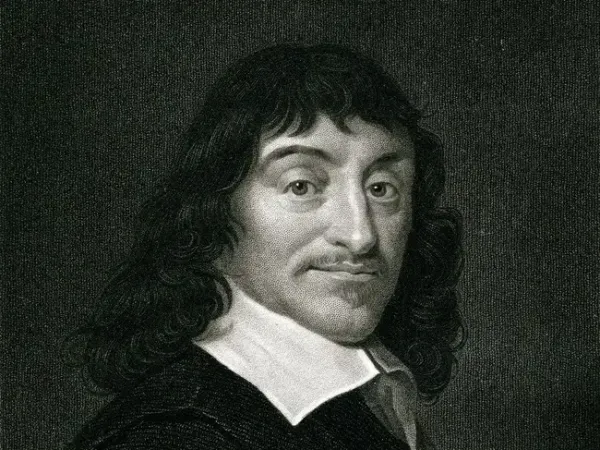
René Descartes remains one of the most important thinkers in philosophy and mathematics, often called the father of modern philosophy. His ideas still influence how people understand reasoning, logic, and learning even today. One of his well-known thoughts highlights the importance of applying intelligence in real life rather than just possessing it. This quote of the day reflects a simple but important idea. Descartes is saying that intelligence alone does not guarantee success or clarity in life. What truly matters is how a person uses their thinking ability in a careful, structured, and meaningful way.
The quote of the day by René Descartes goes: "It is not enough to have a good mind; the main thing is to use it well."
The first meaning of this quote is quite practical. A person may be naturally smart or quick at understanding things, but without direction, that intelligence can remain unused or even misused. Descartes is pointing out that thinking properly is a skill that must be developed and practiced.
The second meaning goes a bit deeper into his philosophy. Descartes believed that the human mind should not rely only on assumptions or inherited beliefs. Instead, it should question, analyse, and build understanding step by step. In that sense, “using the mind well” means applying logic in everyday decisions rather than simply collecting knowledge.
He was also suggesting that discipline in thinking is more valuable than raw talent. A less gifted person who thinks carefully and logically can often achieve more than someone who is naturally intelligent but careless in judgment.
At the time, many philosophical ideas were based on tradition and authority. Descartes challenged this by encouraging individuals to rely more on their own reasoning. His writing marked a shift toward modern scientific and logical thinking, where personal analysis became important.
He studied at the Jesuit College of La Flèche, where he was introduced to subjects like mathematics, philosophy, and classical studies. Later, he studied law at the University of Poitiers, though his interest gradually moved away from law toward deeper questions about knowledge and truth.
Even in his early years, Descartes was not fully satisfied with traditional education. He felt that much of what was taught lacked certainty, which later influenced his desire to build a new method of thinking based on logic.
After completing his studies, Descartes briefly joined military service and travelled across Europe. During this time, he experienced a turning point in 1619 when he had a series of dreams or visions that deeply influenced him.
After leaving the army, he devoted more time to study and reflection. He eventually settled in the Netherlands, where he spent many years developing his philosophical and scientific ideas in a quieter environment.
In mathematics, he developed analytical geometry, which connects algebra with geometric shapes. This idea became very important in later developments of calculus and modern mathematics.
He also contributed to science by promoting a mechanistic understanding of nature, where physical processes are explained through logical and mathematical principles rather than abstract reasoning.
Even after his death, his ideas continued to shape philosophy, mathematics, and science. His emphasis on reasoning and structured thinking remains relevant, especially in education and problem-solving today.
The quote of the day by René Descartes goes: "It is not enough to have a good mind; the main thing is to use it well."
The first meaning of this quote is quite practical. A person may be naturally smart or quick at understanding things, but without direction, that intelligence can remain unused or even misused. Descartes is pointing out that thinking properly is a skill that must be developed and practiced.
The second meaning goes a bit deeper into his philosophy. Descartes believed that the human mind should not rely only on assumptions or inherited beliefs. Instead, it should question, analyse, and build understanding step by step. In that sense, “using the mind well” means applying logic in everyday decisions rather than simply collecting knowledge.
He was also suggesting that discipline in thinking is more valuable than raw talent. A less gifted person who thinks carefully and logically can often achieve more than someone who is naturally intelligent but careless in judgment.
Where This Quote of The Day Comes From
This idea appears in Descartes’ 1637 work Discourse on the Method. The book is considered one of the foundations of modern philosophy. In it, Descartes explains his method of thinking, where doubt and reason are used as tools to reach certainty.At the time, many philosophical ideas were based on tradition and authority. Descartes challenged this by encouraging individuals to rely more on their own reasoning. His writing marked a shift toward modern scientific and logical thinking, where personal analysis became important.
Early Life of René Descartes
René Descartes was born on March 31, 1596, in La Haye en Touraine, France. He came from a respected family, and his father worked in the provincial parliament. After losing his mother early in life, he was raised mainly by his grandmother.He studied at the Jesuit College of La Flèche, where he was introduced to subjects like mathematics, philosophy, and classical studies. Later, he studied law at the University of Poitiers, though his interest gradually moved away from law toward deeper questions about knowledge and truth.
Even in his early years, Descartes was not fully satisfied with traditional education. He felt that much of what was taught lacked certainty, which later influenced his desire to build a new method of thinking based on logic.
After completing his studies, Descartes briefly joined military service and travelled across Europe. During this time, he experienced a turning point in 1619 when he had a series of dreams or visions that deeply influenced him.
After leaving the army, he devoted more time to study and reflection. He eventually settled in the Netherlands, where he spent many years developing his philosophical and scientific ideas in a quieter environment.
Major Work and Contributions
Descartes is widely known for shaping modern philosophy. His famous statement “I think, therefore I am” became a foundation for his method of establishing certainty through reasoning.In mathematics, he developed analytical geometry, which connects algebra with geometric shapes. This idea became very important in later developments of calculus and modern mathematics.
He also contributed to science by promoting a mechanistic understanding of nature, where physical processes are explained through logical and mathematical principles rather than abstract reasoning.
Final Years and Legacy
In 1649, Descartes moved to Sweden after being invited by Queen Christina. However, the harsh climate affected his health, and he died in 1650 at the age of 53.Even after his death, his ideas continued to shape philosophy, mathematics, and science. His emphasis on reasoning and structured thinking remains relevant, especially in education and problem-solving today.