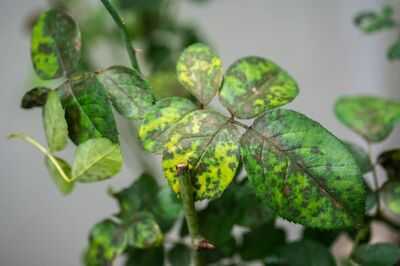
You may be preparing for a glorious summer bursting with stunning blooms, but there could be hidden problems beneath the surface that threaten the lifespan of your garden flowers. One of the most widespread issues encountered by rose growers is black spot, a troublesome fungal infection.
Gardening expert and TikTok creator Ish recently revealed how to tackle this frustrating problem and stop it from taking hold in the first place. For those unfamiliar, rose black spot is a fungal disease in which affected blooms develop purple and black spots across their leaves. The disease ultimately causes the flowers' leaves to drop prematurely.
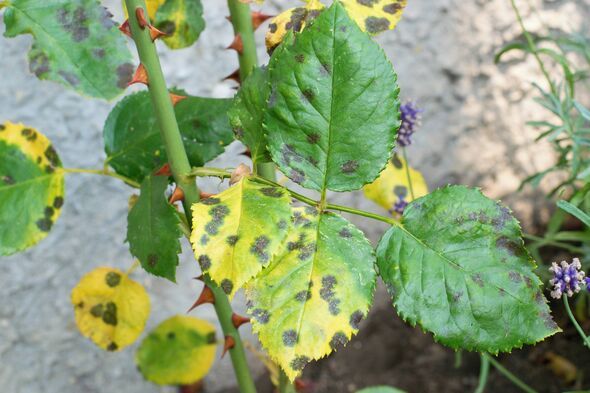
According to the Royal Horticultural Society, when leaves become infected, the markings typically begin to emerge from springtime onwards. These blemishes will only worsen over time, and can cause considerable long-term damage to plants.
Alongside the purple and black spots, further symptoms of the disease include leaf tissues turning yellow, leaves falling away, and small, black, "scabby lesions" may also appear on young stems. In a recent video, Ish explained: "There are a few different factors that can cause it. First off, stress, one of the most common ones; overwatering, underwatering. By doing this it becomes weak or it becomes too soggy, and it's a nice open door to fungal infections, we don't want that.
"Really dense foliage and not enough air flow as well, is also a breeding ground for fungal too, so make sure you kind of thin it out before it starts growing again, to ensure that it's got plenty of air flowing through."
Depending on the severity of the black spot affecting your roses, there are several courses of action available to you. Should the black spot be confined to one area, such as the leaves, without spreading further, you can tackle it simply by pinching off the affected leaves, reports The Mirror.
However, if the black spot has taken hold across the entire plant, more drastic measures may be required. In this instance, Ish recommended turning to baking soda as an effective remedy against the fungal disease.
Into a spray bottle, add one teaspoon of baking soda per 500ml of water. Fasten the lid and give the solution a thorough shake. Lightly spritz your plants once a week if they are suffering from powdery mildew or fungal infections.
Gently mist the plant every week or so and the solution should gradually eliminate the black spot. This mixture acts as a natural antifungal spray, capable of combating mould, black spot, and powdery mildew.
A small dash of washing up liquid can also be added to the spray. This helps the solution adhere more effectively to the plants' leaves.
As an antifungal agent, baking soda alters the pH level on the leaf's surface, rendering it less acidic and more resistant to black spot fungus. Meanwhile, the washing up liquid assists the solution in spreading and adhering to the leaves, ensuring greater coverage across their surface.
Ish also recommended using RoseClear for those who prefer commercial products. Regarding prevention, Ish noted that keeping roses trimmed back and less dense is advisable, so as not to overcrowd the foliage.
It's equally vital to ensure roses receive adequate water, without being overwatered. Yet there is another effective method to help ward off this fungal disease.
Ish said: "But the other thing you can do is actually grow salvias around your rose bushes, because salvias are natural antifungal plants. And by having them nearby, they help prevent fungal infections in the first place."
The Royal Horticultural Society also offered valuable prevention guidance, highlighting that the most effective form of control involves avoiding pests, diseases and weeds, maintaining good garden hygiene, and introducing "natural enemies". Getting ahead of the problem before it takes hold is also strongly advised.
The RHS urged gardeners to gather and dispose of any fallen leaves during autumn, and to remove and discard any leaves remaining on the plant throughout the winter months. Gardeners are also cautioned against using fungicides, as this could diminish biodiversity, damage soil health, and cause harmful effects on the environment.
-
Who is Faustino Oro, the wonderkid called the Messi of chess?

-
CBSE Class 12 Results 2026 Expected Today: What Students Need to Know

-
Strictly Come Dancing star rushed to hospital after horror emergency

-
Kejriwal Critiques Modi's Economic Advice Amidst Concerns of Crisis

-
Union Minister Jyotiraditya Scindia to Attend Assam Chief Minister's Oath Ceremony