Tired of tuna? Switch things up with these foods that are rich in omega-3s.
Reviewed by Dietitian Casey Wing, RD, CD
Key Points
- Omega-3s support brain, heart and overall health by reducing inflammation and protecting brain function.
- Salmon, mackerel and sardines provide more EPA/DHA omega-3s than tuna.
- Chia seeds and walnuts are rich in plant-based ALA omega-3s.
If you’re eating for brain, heart and overall health, omega-3s should have a place on your plate. “Omega-3 fatty acids are essential for reducing chronic inflammation, supporting heart health and protecting brain function,” says Whitney Stuart, M.S., RDN, CDECS. There are three types of omega-3 fatty acids, including ALA (alpha-linolenic acid), which is found in plant foods, and EPA (eicosapentaenoic acid) and DHA (docosahexaenoic acid), which are most prevalent in fatty fish, including tuna.
While there is no official guidance on how much omega-3 fatty acid we need each day, the National Institutes of Health recommends 1.1 grams of ALA per day for women and 1.6 grams of ALA per day for men. As for EPA and DHA, the American Heart Association recommends eating at least two servings of fatty fish each week to help reduce the risk of heart disease and stroke.
Canned tuna fish is an easy and convenient way to get your omega-3s, with 0.88 grams of omega-3 fatty acids in a 100-gram (3.5-ounce) serving. But, tuna isn’t the only, or even the best, source of omega-3 fatty acids. Here are five other foods that provide even more omega-3s than tuna fish, and our favorite ways to enjoy them.
1. Wild Atlantic Salmon
Omega-3s: 1.7 grams EPA/DHA per 100-gram serving (about 3.5 ounces)
Salmon is an excellent source of EPA and DHA, with 1.7 grams in a 100-gram portion of raw wild Atlantic salmon, almost double that of the same amount of tuna. While the feed for farmed salmon can be altered to boost omega-3 content, recent research finds that wild-caught salmon has equal amounts of omega-3s and a slightly more favorable fatty acid profile.
Salmon is one of the most popular fatty fish, with endless ways to prepare and enjoy it. Pile smoked salmon on simple cucumber bites, use canned salmon in homemade spicy salmon sushi rolls, add it to fish tacos or toss it on the grill with veggies.
2. Mackerel
Omega-3s: 1.33 grams EPA/DHA per 100-gram serving (about 3.5 ounces)
Mackerel has a milder flavor than sardines, contains more omega-3 fatty acids than tuna and is conveniently available canned. And while a serving of tuna is a good source of vitamin D, with 13% of your recommended Daily Value, the same amount of mackerel provides 49% of your DV of this inflammation-fighting fat-soluble vitamin. Atlantic mackerel and Spanish mackerel are rated as safe options by the Food and Drug Administration, while king mackerel should be avoided due to the potential for high mercury levels, particularly for children and those who are pregnant or breastfeeding.
“An easy way to incorporate it into your diet is by swapping your usual canned tuna for canned Atlantic mackerel in salads, grain bowls or on crackers,” says Stuart. Or, if you want to enjoy fresh mackerel, try a grilled gochujang-glazed mackerel for a bold and spicy entree.
3. Sardines
Omega-3s: 0.982 grams EPA/DHA per 100-gram serving (about 8 sardines)
These small, oily fish are loaded with EPA and DHA, without the risk of mercury contamination that you’ll find in larger, older fish. In addition to essential fatty acids, a 100-gram serving of sardines is an excellent source of vitamin D, calcium and some B vitamins, and it provides 16% of the DV for iron.
If eating sardines straight from the can isn’t appealing, there are plenty of other ways to enjoy them. Talia Fucker, RDN, LDN, recommends a simple recipe passed down from her Italian father: sardines on crackers with olive oil, lemon juice and cracked pepper.
4. Chia Seeds
Omega-3s: 5.05 grams ALA per 1-ounce serving (2 to 3 tablespoons)
Compared gram for gram, chia seeds have 20 times as many omega-3 fatty acids as tuna fish, with 17.83 grams of omega-3 fatty acids in a 100-gram serving. However, even in a more practical serving of 1 ounce (28.4 grams) of chia seeds, you’re still getting five times as much. “While chia seeds are high in omega-3s, they have the ALA plant form, which still needs to be converted to EPA and DHA,” explains Nicole Ibarra, RD, LD. An estimated 7% to 15% of ALA will be converted into DHA and EPA for use by the body.
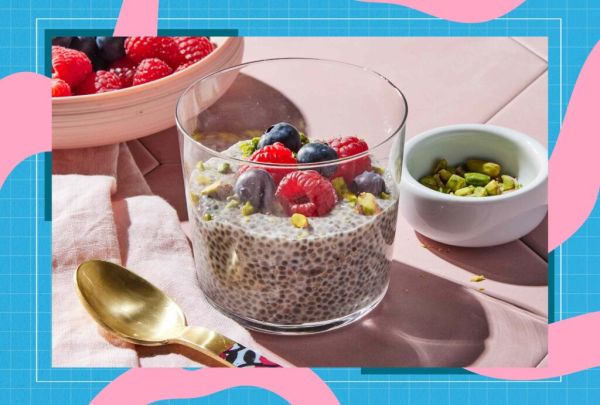
Ibarra recommends using chia seeds in smoothies, overnight oats, chia pudding or chia jam.
5. Walnuts
Omega-3s: 2.58 grams ALA per 1-ounce serving (7 walnuts)
“Walnuts, in particular, stand out as the only tree nut that is an excellent source of ALA, providing 2.5 grams per ounce (about 28 grams),” says Lauren Manaker, M.S., RDN, LD, adding that they offer additional nutrients like fiber, antioxidants and polyphenols. The combination of nutrients and bioactive compounds in walnuts is likely what links diets rich in walnuts to a reduced risk of several chronic diseases, including heart and brain disease, and protection from oxidative stress and inflammation.
There is no shortage of ways to add more walnuts to your diet, from sprinkling them on oatmeal and salads to making walnut-based pesto or plant-based taco meat.
Our Expert Take
Tuna is a convenient and affordable way to get omega-3 fatty acids, but it’s not the only option. Other fatty fish, like salmon, sardines and mackerel, provide more omega-3s in the form of EPA and DHA, while walnuts and chia seeds boast high amounts of ALA. Instead of relying on one food for your omega-3s, include a mix of marine and plant options for a wider variety of nutrients and compounds that work alongside omega-3 fatty acids, helping to reduce inflammation and support a healthy heart and brain.
-
'Two Steps Away From What We Have Manifested From Day One,' Says Krunal As RCB Finish League Stage At The Top Of The Table

-
MI’s ESA Day At Wankhede Stadium: Mumbai Unites For 20,000 Children’s Dreams

-
'Tumhara Aaj Se Downfall Chalu': Travis Head & His Wife Targeted By Online Abuse After Virat Kohli Handshake Controversy

-
Is MS Dhoni Set To Become CSK's Next Head Coach? R Ashwin's Viral Remark Fuels Speculation After IPL 2026 Struggles

-
DRDO Successfully Tests ULPGM-V3 Missile In Air-To-Ground & Air-To-Air Modes, Boosting India’s Defence Self-Reliance