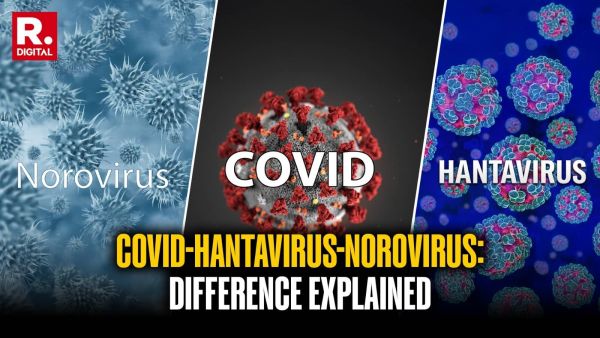
Just days after a deadly hantavirus outbreak aboard the expedition cruise ship MV Hondius triggered an international health response, another cruise vessel has reported a major viral outbreak - this time involving norovirus, one of the world’s most contagious stomach infections.
According to the U.S. Centers for Disease Control and Prevention, 102 passengers and 13 crew members aboard the Caribbean Princess fell ill during a Caribbean voyage that began on April 28. Most passengers reported severe vomiting and diarrhea, symptoms commonly linked to norovirus infection.
The outbreak has once again placed cruise ships under the spotlight, with growing public concern over how diseases can spread rapidly in crowded and enclosed spaces.
But while both norovirus and hantavirus are making headlines, health experts say they are very different from COVID-19 - in the way they spread, the organs they affect, and the risks they pose.
A New Outbreak After the Hantavirus Scare
The latest outbreak comes at a sensitive time globally.
Only days earlier, the Hondius outbreak had alarmed health authorities after multiple passengers were infected with the rare Andes strain of hantavirus, which reportedly killed three people and forced several countries to evacuate citizens from the ship for quarantine and monitoring.
Now, the norovirus outbreak on another cruise liner has revived memories of the pandemic era, especially because cruise ships remain highly vulnerable to fast-moving infections.
Princess Cruises said passengers onboard the Caribbean Princess experienced “mild gastrointestinal illness,” adding that the company immediately increased disinfection measures and sanitization procedures across the vessel.
The CDC said infected passengers and crew members were isolated while stool samples were collected for testing.
The ship is expected to undergo extensive cleaning before its next voyage.
What Is Norovirus?
Norovirus is a highly contagious virus that attacks the stomach and intestines, causing acute gastroenteritis - inflammation of the digestive system.
It is often called the “winter vomiting bug” because of how quickly it spreads and the sudden onset of symptoms.
Unlike COVID-19, which mainly affects the lungs and respiratory system, norovirus primarily targets the digestive tract.
Health experts say even tiny amounts of the virus can infect people. An infected person can shed billions of virus particles through vomit or stool, allowing outbreaks to explode rapidly in places where people share dining areas, washrooms and living spaces.
That is why cruise ships, schools, hospitals and care homes frequently become hotspots.
Globally, norovirus causes an estimated 685 million infections every year, including around 200 million infections among children under five, according to international health estimates.
The virus is also linked to nearly 200,000 deaths annually worldwide, especially in low-income countries.
How Is Hantavirus Different?
Hantavirus is far rarer but potentially far deadlier.
Unlike norovirus or COVID-19, hantavirus does not usually spread easily between people. Most infections happen after contact with infected rodents or their urine, saliva and droppings.
People are often exposed while cleaning poorly ventilated spaces, farms, sheds or cabins where rodent waste has accumulated.
The World Health Organisation says hantaviruses can cause severe illnesses affecting the lungs, heart and kidneys.
In the Americas, the disease can develop into Hantavirus Cardiopulmonary Syndrome (HCPS), a dangerous respiratory illness with fatality rates that can reach up to 50 percent in severe cases.
The Andes strain found mainly in Argentina and Chile is the only known hantavirus capable of limited human-to-human transmission, though experts say this remains uncommon and usually requires prolonged close contact.
How Do These Viruses Differ From COVID-19?
Doctors say the biggest difference lies in transmission and the parts of the body they attack.
COVID-19 spreads mainly through respiratory droplets and close human contact, primarily affecting the lungs and airways.
Norovirus spreads through contaminated food, water, surfaces and infected individuals, attacking the digestive system.
Hantavirus is largely rodent-borne and can become life-threatening by damaging the lungs and cardiovascular system.
Dr. Amit Saraf, an internal medicine specialist at Jupiter Hospital, said people often mistakenly assume every viral infection behaves like COVID-19.
“COVID mainly targets the respiratory system. Norovirus causes stomach infection with vomiting and diarrhea, while hantavirus usually begins with flu-like symptoms but can rapidly affect the lungs,” he explained.
Symptoms People Should Not Ignore
Doctors say all three illnesses have different warning signs, though some early symptoms may overlap.
Norovirus Symptoms
- Sudden vomiting
- Watery diarrhea
- Stomach cramps
- Nausea
- Dehydration
- Weakness
Hantavirus Symptoms
- Fever
- Muscle aches
- Fatigue
- Chills
- Headache
- Dry cough
- Chest tightness
- Breathing difficulty in severe cases
COVID-19 Symptoms
- Fever
- Sore throat
- Cough
- Fatigue
- Body pain
- Breathlessness
- Loss of smell or taste in some cases
Doctors warn that severe dehydration, chest pain, persistent fever, breathing trouble or confusion should never be ignored.
“With norovirus, repeated vomiting can quickly lead to dehydration, especially in children and older adults,” Dr. Saraf said.
“In hantavirus cases, worsening cough or breathing problems after flu-like symptoms need immediate medical care.”
WHO Says Panic Is Unnecessary
Despite the back-to-back cruise ship outbreaks, health agencies say there is no reason for panic.
WHO officials have repeatedly stressed that hantavirus is “not another COVID” and that the public risk remains low.
Norovirus, meanwhile, is extremely contagious but usually short-lived and manageable with hydration and supportive care.
Experts say what matters most is awareness, hygiene and early medical attention.
How to Stay Safe
Health experts say simple precautions remain the best defense against all three viruses.
To reduce infection risk:
- Wash hands regularly with soap and water
- Avoid contaminated or uncovered food
- Disinfect frequently touched surfaces
- Stay hydrated during stomach illness
- Improve ventilation indoors
- Avoid close contact if sick
- Keep homes and storage spaces rodent-free
- Never sweep dry rodent droppings; disinfect first
Doctors also advise people not to ignore symptoms or rely on misinformation spreading online.
Sudipta Sengupta, founder of The Healthy Indian Project, said the biggest lesson from the COVID-19 pandemic was the danger of panic and misinformation.
“Fear spreads faster than viruses,” he said. “Scientific awareness, hygiene and timely medical advice are far more effective than rumours and panic.”
As health authorities continue monitoring both cruise ship outbreaks, experts say the incidents are a reminder that infectious diseases still evolve and travel rapidly in a deeply connected world even if not every outbreak becomes another pandemic.
-
This book examines the interplay between Christianity and caste, especially among Dalit women

-
GT vs SRH IPL 2026: Rabada, Holder Star as Gujarat Thrash Hyderabad by 82 Runs

-
Mulayam Singh Yadav's younger son Prateek Yadav dies at 38

-
Six subtle signs your dog is feeling distressed including common gesture

-
NEET UG 2026 Exam Cancelled Amid Paper Leak Scandal