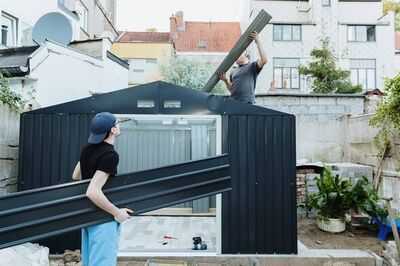
Spring has arrived and summer is fast approaching. As temperatures climb, many of us will be eager to venture outdoors and make the most of our gardens.
Naturally, thoughts turn to tidying up, implementing changes, or perhaps undertaking something more ambitious, such as installing a new shed, summer house, or children's playroom. Nevertheless, before commencing any work, it is crucial to understand what is permitted and what can be carried out without requiring planning permission.
According to Planning Portal, a joint venture between TerraQuest Solutions Limited and the Ministry of Housing, Communities and Local Government, an outbuilding encompasses items such as sheds, playhouses, greenhouses and garages, alongside other garden structures including swimming pools, ponds, sauna cabins, kennels, enclosures - such as tennis courts - and numerous other types of construction "for a purpose incidental to the enjoyment of the dwellinghouse". In essence, this refers to leisure-oriented buildings.
These structures are typically classified as "permitted development" and do not require planning permission. There are certain restrictions to this, though, and it is always advisable to verify with your local council if uncertain.
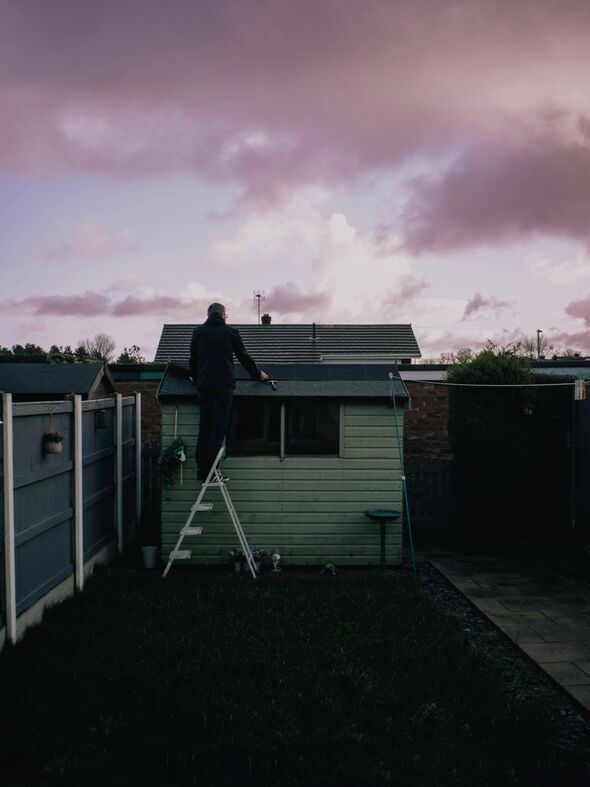 When outbuildings fall outside of 'permitted development'
Permitted development is likely to encompass the overwhelming majority of additions that homeowners might wish to install in their garden. There are, however, exceptions. Firstly, no outbuilding is permitted on land forward of a wall forming the principal elevation of a property - that is, the front of your home. Outbuildings and garages must be single-storey, with a maximum eaves height of 2.5m and a maximum overall height of 4m with a dual-pitched roof, or 3m for any other roof type.
Such structures may reach a maximum height of 2.5m where a building, enclosure or container sits within 2m of a boundary of the curtilage of the main dwelling. Verandas, balconies or raised platforms are not permitted - a platform must not exceed 0.3 metres in height.
No more than half the area of land surrounding the "original house" may be covered by extensions or additional buildings. In National Parks, the Broads, Areas of Outstanding Natural Beauty and World Heritage Sites, the maximum area to be covered by buildings, enclosures, containers and pools situated more than 20m from the house is restricted to 10sqm.
On designated land, buildings, enclosures, containers and pools positioned at the side of properties will require planning permission. Any outbuilding within the curtilage of a listed building will also require planning permission.
According to the Planning Portal, the term "original house" refers to the house as it was originally constructed, or as it stood on July 1, 1948, if built prior to that date. Bear in mind that while you may not have added an extension yourself, a previous owner may well have done so. Designated land encompasses national parks and the Broads, Areas of Outstanding Natural Beauty, conservation areas and World Heritage Sites.
The experts added that the permitted development allowances outlined apply to houses rather than flats and maisonettes, converted houses or properties created through 'permitted development' rights for 'changes of use' or 'new dwellinghouses', other buildings and areas where a planning condition, Article 4 Direction or alternative restriction may limit permitted development rights. Each of these has separate guidance.
Those intending to commence work are also advised to consult a technical document available on gov.uk.
-
Who is Faustino Oro, the wonderkid called the Messi of chess?

-
CBSE Class 12 Results 2026 Expected Today: What Students Need to Know

-
Strictly Come Dancing star rushed to hospital after horror emergency

-
Kejriwal Critiques Modi's Economic Advice Amidst Concerns of Crisis
-
Union Minister Jyotiraditya Scindia to Attend Assam Chief Minister's Oath Ceremony