New Delhi: In a sign of mounting tensions in the Strait of Hormuz, several crude oil supertankers have reportedly switched off their tracking systems while navigating the strategic maritime corridor, as exporters attempt to move oil cargoes despite rising security threats in the region.
According to ship-tracking data and reports, at least three Very Large Crude Carriers (VLCCs) carrying millions of barrels of crude oil successfully crossed the Hormuz chokepoint after disabling their Automatic Identification System (AIS) transponders - a practice commonly referred to as going “dark.”
The vessels were reportedly transporting Iraqi and UAE crude supplies, with one tanker heading toward Vietnam’s Nghi Son refinery. Analysts say the tactic is increasingly being used by shipping operators to reduce exposure to potential Iranian attacks or interceptions amid the ongoing regional conflict and blockade-like conditions in the Gulf.
The Strait of Hormuz, through which nearly one-fifth of the world’s seaborne oil trade normally passes, has emerged as the epicentre of a major global energy crisis following the escalation of the Iran conflict earlier this year. Shipping disruptions, mine threats, drone attacks and military standoffs have sharply reduced normal tanker traffic in the narrow waterway.
Around 40 cargo ships bound for India are encountering difficulties due to the ongoing crisis in the Strait of Hormuz and rising Middle East tensions. Negotiations between the U.S. and Iran regarding the strait's reopening remain uncertain, impacting maritime movement.
Numerous vessels carrying LPG, LNG, crude oil, and fertilizers are reportedly stranded amid security concerns, with 13 Indian ships still in the Persian Gulf region. The Strait of Hormuz, a vital oil shipping route, is essential for global energy supplies.
Recent events have heightened worries about fuel supply chains to India. Last week, three tankers carrying crude exited the strait with trackers off to evade Iranian attacks, while two very large crude carriers transported Iraqi crude successfully on Sunday.
Industry observers warn that the growing use of “dark transits” reflects the deteriorating security environment in the Gulf, where ship operators are increasingly prioritising survival and cargo delivery over standard maritime transparency rules. Experts say disabling AIS systems also complicates monitoring efforts and raises the risk of navigational accidents in already volatile waters.
Despite the risks, Gulf oil exporters are under immense pressure to keep crude flowing to Asian markets, particularly China, India, Japan and Southeast Asia, which remain heavily dependent on energy supplies routed through Hormuz.
Global oil markets remain on edge as geopolitical tensions continue to threaten one of the world’s most critical energy corridors.
-
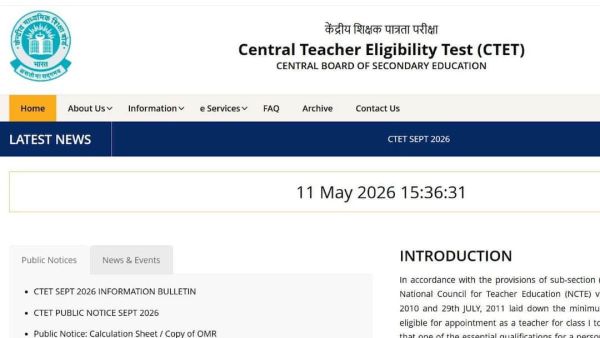
CTET September 2026 Notification Out: CBSE Opens Registration Window, Check Exam Dates & Schedule
-
Royal Challengers Bengaluru Players Receive Warm & Heritage Welcome In Raipur As They Defeat Mumbai Indians In Nail-Biting Thriller

-
Perplexity’s Personal Computer App Now Available For Mac Users

-
HBSE Class 10 Result 2026 Likely On May 16-17 At bseh.org.in; Check More Details Here

-
HBSE To Announce Haryana Board Class 12 Result On May 14; Here's How To Access Results