
Hibiscus flowers are known to infuse homes with positive energy, promote prosperity, and purify the environment. However, these plants require careful attention. One common issue with hibiscus is that while they may bloom beautifully for about two weeks, this flowering can suddenly stop. Factors such as light, watering, pruning, and soil quality significantly influence the blooming process. Nevertheless, with proper care, hibiscus can flower nearly all year round. Let's explore some essential tips for maintaining these beautiful plants.
Key Steps for Growing Hibiscus at Home Ensure Adequate Light:
Hibiscus thrives in sunlight, requiring at least five to six hours of direct sunlight daily. Without sufficient light, the plant may grow leaves but will struggle to produce flower buds. Therefore, placing the hibiscus in open areas like balconies or rooftops can be beneficial.
Watering:
Both overwatering and insufficient moisture can adversely affect the quality of hibiscus flowers. While these plants prefer slightly moist soil, standing water can lead to root rot. It's advisable to check the top layer of soil before watering to maintain the right moisture level.
Regular Pruning:
To ensure continuous blooming, regular pruning is essential. This involves removing weak branches, dead stems, and wilted flowers. Pruning enhances airflow around the plant and allows sunlight to penetrate deeper into the foliage.
Fertilization:
Due to frequent blooming, hibiscus requires regular fertilization. They thrive on fertilizers rich in potassium and phosphorus rather than nitrogen.
Repotting and Soil Replacement:
Over time, hibiscus plants can outgrow their pots and soil, leading to nutrient absorption issues and poor drainage. It is beneficial to change the potting soil or transfer the plant to a larger pot every two years.
-
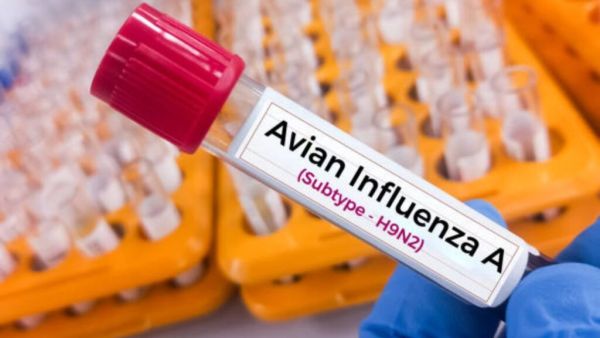
Danger of bird flu is increasing in Maharashtra, how the infection is spreading among humans; Learn the symptoms and treatment
-
Ube Coffee: This purple coffee has become the new trend of Instagram, have you tried it?

-
Simple steps to know the right bra size

-
HPSCB has announced recruitment for 91 posts, apply till May 29, know eligibility, selection process and salary.

-
Bad news is coming on petrol and diesel! Loss of Rs 1 lakh crore by oil companies, will the prices change tomorrow?