The early retirements of several Asian generational talents left fans wanting more, but their short careers did not diminish their legendary status. Here is a look at five iconic Asian athletes who retired early, why they stepped away and where they are now.
Yao Ming
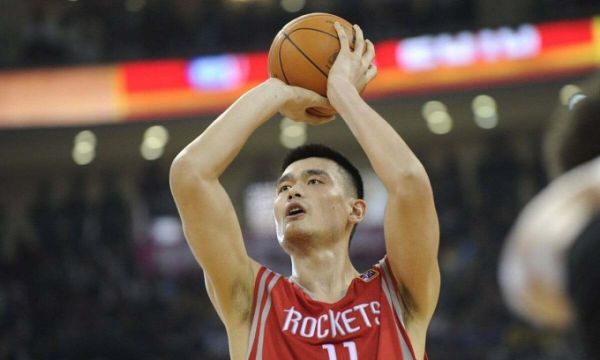
Yao Ming changed the global landscape of basketball as he became a cultural bridge between the NBA and Asia, earning eight NBA All-Star selections and a place in the Hall of Fame, becoming the first Chinese to do so. The 2.29 m Chinese center was the number one overall pick in the 2002 NBA Draft and spent the rest of his career with the Houston Rockets.
Beyond the NBA, Yao was a national hero, representing China at two Olympics and leading his team to three FIBA Asia Cup titles.
|
Yao Ming in action for the Houston Rockets in 2010. Photo by AFP |
Yao announced his retirement in July 2011 at just 30 years old, at the golden time for an athlete. His towering frame ultimately became a liability as he suffered from a series of chronic foot and ankle injuries. After multiple surgeries, he decided his body could no longer handle the demands of professional basketball.
After the court, Yao served as the president of the Chinese Basketball Association from 2017 to 2024. Outside of basketball, he opened a successful winery in California and became a global wildlife conservationist, according to WildAid.
Hidetoshi Nakata
Hidetoshi Nakata was the face of Asian football in the late 1990s and early 2000s. The stylish Japanese midfielder was a two-time Asian Footballer of the Year and a trailblazer for Asian players in Europe.
Widely regarded as one of Japan’s greatest players and a style icon, Nakata was putting his country on the map when he played football in Europe, all while rocking the coolest fits. He won the historic Serie A title with AS Roma in 2001, lifted the Coppa Italia with Parma, and represented Japan in three consecutive World Cup tournaments.
 |
|
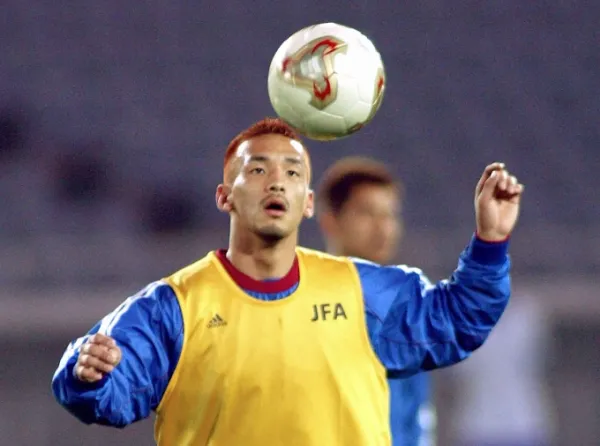
Hidetoshi Nakata at the 2002 World Cup in Japan. Photo by AFP |
Nakata shocked the football world by announcing his retirement in July 2006 at just 29 years old, immediately following Japan’s exit from the World Cup.
Unlike many athletes forced out by injury, Nakata walked away by choice. He stated he had lost his passion for the sport, feeling that professional football had become too focused on business rather than the joy of the game, according to The New York Times.
Following his exit, Nakata spent years traveling, visiting over 100 countries. He eventually returned to Japan to immerse in traditional crafts and agriculture. He founded his own premium sake brand and has since become a cultural ambassador for Japan, The Guardian reported.
Tai Tzu-ying
Taiwanese badminton star Tai Tzu-ying captivated audiences with her skills, unmatched agility and artistic playing style. She held the world number one ranking in women’s singles for a record-breaking 214 weeks. Her trophy cabinet includes a silver medal from the Tokyo Olympics 2020, a gold medal at the 2018 Asian Games and three All England Open titles.
 |
|
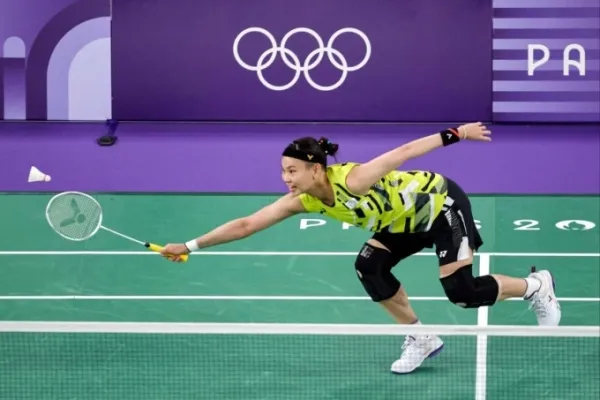
Tai Tzu-ying plays against Belgium’s Lianne Tan at the 2024 Paris Olympics. Photo by AFP |
However, Tai officially retired in November 2025 at the age of 31. Despite her endurance, she was plagued by persistent knee injuries that heavily restricted her movement during her final competitive years. Acknowledging the physical pressure of the international calendar, she quietly announced her retirement on social media, expressing a desire to step back and heal, according to Olympics.com.
Since stepping away from the international circuit, Tai has focused on mentoring young Taiwanese players, serving as a sporting ambassador, and spending more time relaxing. She frequently shares her post-retirement lifestyle with fans, expressing her relief at living a life “without alarm clocks,” BadmintonPlanet reported.
Liu Xiang
Liu Xiang shattered stereotypes and rewrote history for Asian track and field athletes.
A national cultural icon, he is one of the most successful athletes in China. At the 2004 Athens Olympics, he won gold in the 110 m hurdles, becoming the first Chinese male athlete to win an Olympic gold medal in a track event. He went on to win the World Championship in 2007 and set a world record time of 12.88 seconds in 2006.
 |
|
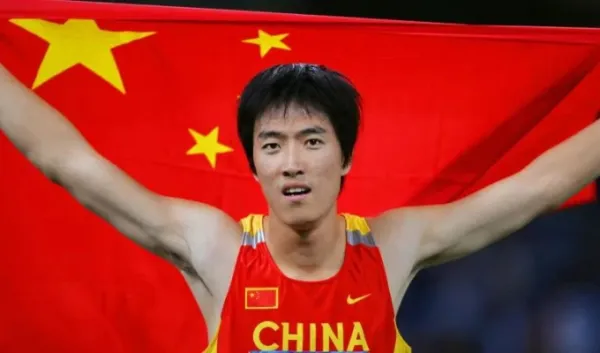
China’s Liu Xiang celebrates after winning gold in the 110 m hurdles final at the Athens Olympics in August 2004. Photo by AFP |
Liu retired in April 2015 at the age of 31, though his career had effectively been stalled for years prior with a prolonged Achilles tendon injury. This injury famously forced him to withdraw at the starting line of the 2008 Beijing Olympics and caused him to crash into the first hurdle at the 2012 London Olympics.
After retiring, Liu chose to live a low-profile life, stepping away from the public eye that had defined his competitive years. He has made occasional appearances on Chinese television but primarily focuses on youth sports promotion, advocating for better physical education in schools, according to China Daily.
Mao Asada
Mao Asada was one of the most beloved figure skaters of her generation, renowned for her elegant artistry and technical brilliance. The Japanese star was a three-time World Champion, a four-time Grand Prix Final champion, and won the silver medal at the 2010 Vancouver Olympics.
She was one of the few female skaters to land three difficult triple Axel jumps at one competition. At the age of 15, she was already considered the world’s best figure skater for winning her first Grand Prix Final, even though she was too young to compete at the 2006 Winter Olympics.
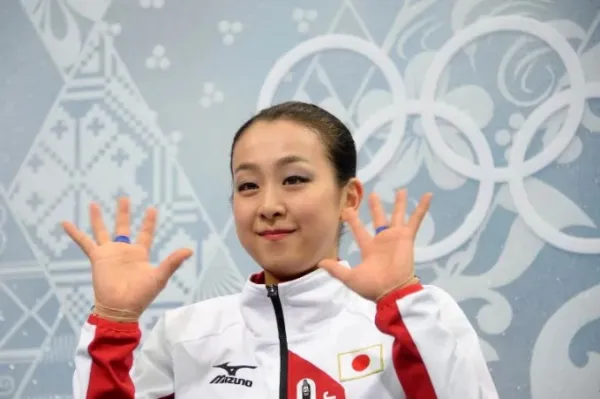 |
|
Mao Asada reacts after the Women’s Figure Skating Free Program at the Iceberg Skating Palace during the Sochi Winter Olympics on Feb. 20, 2014. Photo by AFP |
Asada announced her early retirement in April 2017 at the age of 26. After taking a year off following the 2014 Sochi Olympics, she attempted a comeback but struggled with knee issues and a loss of motivation. Recognizing she could no longer perform at her peak, she gracefully bowed out of competitive skating. She is widely considered one of the best figure skaters of all time.
Retirement did not keep Asada off the ice. She successfully transitioned into producing and starring in her own ice shows, bringing figure skating to regional rinks across Japan. According to Kyodo Newsshe has launched a figure skating academy and training facility to nurture the next generation.
-
Kerala CM Decision Pending After 7 Days; Congress Split Between Venugopal, Satheesan
-
Can Hantavirus Spread Like COVID? What Experts Are Saying After Cruise Ship Outbreak

-
‘Work From Home, Online Classes, Car Pooling’: PM Modi’s Second Appeal In 24 Hours
-
Tim David Fined 30% Match Fee, Handed 2 Demerit Points For Obsence Gesture During RCB Vs MI Clash

-
JNVST 2026 For Class 11 Result Declared At cbseit.in; Direct Link Here