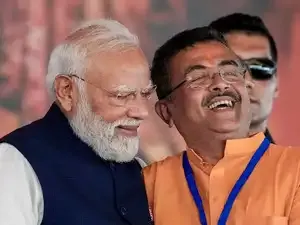
Kolkata, As dusk settled over Metiabruz in southwest Kolkata on May 9, television screens inside crowded restaurants replayed visuals of Suvendu Adhikari taking oath as West Bengal's first BJP chief minister, a moment that until recently would have seemed politically unimaginable in a state shaped for decades by anti-BJP sentiment.
In many Muslim neighbourhoods across the city and the districts, the reaction was neither dramatic nor defiant. It was watchful.
For a community that constitutes nearly 30 per cent of the state's population, the arrival of a BJP government has triggered a mix of anxiety, pragmatism and cautious expectation.
There are apprehensions over representation and security, particularly because the BJP did not field a single Muslim candidate in the assembly polls. However, there is also a quieter sentiment that the verdict must be accepted democratically and judged through governance rather than rhetoric.
"We believe in democratic governance, leadership and equality. In a democracy, the government should function for everyone," said Mohammed Kamruzzaman, general secretary of the All Bengal Minority Youth Federation.
"Earlier, we had Mamata Banerjee, and now Suvendu Adhikari has come through a democratic mandate. We expect the government to uphold 'rajdharma' and ensure equal treatment for all citizens," he said.
The sentiment reflects the shifting mood within Bengal's Muslim electorate, after an election that fractured political assumptions built over the past decade. For years, Muslim voters had largely consolidated behind the TMC. In the 2021 polls, that consolidation acted as a firewall against the saffron surge.
This election unfolded differently. In districts such as Murshidabad, Malda, Uttar Dinajpur and parts of South 24 Parganas, the minority vote no longer moved uniformly behind the TMC. Sections drifted towards the Congress and the Left, while local outfits such as Humayun Kabir's AJUP and the ISF cut into the ruling party's base.
In Murshidabad, where Muslims form nearly two-thirds of the population, the TMC's tally crashed from 20 seats in 2021 to nine. The BJP climbed from two seats to nine. Similar shifts surfaced in Malda and Uttar Dinajpur.
The number of Muslim MLAs has dipped only marginally from 44 to 40, but the TMC's dominance among them has weakened sharply. Six Muslim legislators now belong to parties outside both the TMC and BJP.
Political observers believe the shift was driven by several factors. There was fatigue among sections of minority voters over symbolic politics and local factionalism within the TMC.
In several constituencies, Congress and Left candidates drew enough support to split what had once been a consolidated anti-BJP bloc.
The Special Intensive Revision of electoral rolls also became a major undercurrent.
Nearly 91 lakh names were deleted statewide. While there is no official religious break-up, opposition parties estimate that a substantial portion of those removed were Muslims concentrated in districts that traditionally favour the TMC.
Yet, the data also suggests deletions alone cannot explain the outcome. Even in Muslim-majority seats where turnout remained robust, the TMC suffered visible erosion.
In Murshidabad's Raninagar, the Congress defeated the TMC, while the CPI(M) secured a substantial vote share, fragmenting the minority vote. In mixed-population constituencies, the BJP simultaneously benefited from consolidation among Hindu voters.
"The BJP's immediate priority will be governance and development. There is no reason for panic. Minorities may not receive any additional political advantage, but there could be a more level playing field where development becomes the focus," political analyst Moidul Islam said.
That possibility is being discussed cautiously within sections of the Muslim middle class, particularly among younger voters who say they want administrative stability and employment opportunities.
Many community leaders privately acknowledge concerns over representation and fear that social polarisation could deepen even if the administration adopts a calibrated political approach.
When asked about the minority affairs department, senior BJP leader Dilip Ghosh avoided a direct answer on who would head it, while insisting development should not be viewed through a religious lens.
Meanwhile, there has also been a conscious attempt by several Muslim organisations to avoid immediate confrontation and instead publicly articulate expectations from the new government.
Maulana Shafique Qasmi, imam of Kolkata's Nakhoda Masjid, said ideological differences should not prevent an elected government from functioning for every community.
"For the government of the day, everyone should be equal," he said.
Md Yahya, chairman of the West Bengal Imam Association, said the community hoped the BJP's slogan of 'Sabka Saath, Sabka Vikas' would be implemented "in letter and spirit".
"We hope people can live without fear and in harmony," he said.
For Bengal's Muslims, the moment is less about ideological conversion than political recalibration.
The poll results reveal fragmentation, impatience with old certainties and a willingness among sections of minority voters to experiment tactically.
As Bengal enters an unfamiliar political phase under its first BJP government, much of the community appears prepared neither for open confrontation nor unquestioning acceptance.
For now, the state's Muslims seem to be caught between caution and calculation - uncertain of what the new political order may eventually bring, yet unwilling to retreat entirely into the politics of fear that had shaped much of the last decade.
As Bengal turns a historic page with its first BJP government, the largest minority community here is watching closely, as between apprehension and adaptation lies a quiet test for both the BJP and the state itself.
In many Muslim neighbourhoods across the city and the districts, the reaction was neither dramatic nor defiant. It was watchful.
For a community that constitutes nearly 30 per cent of the state's population, the arrival of a BJP government has triggered a mix of anxiety, pragmatism and cautious expectation.
There are apprehensions over representation and security, particularly because the BJP did not field a single Muslim candidate in the assembly polls. However, there is also a quieter sentiment that the verdict must be accepted democratically and judged through governance rather than rhetoric.
"We believe in democratic governance, leadership and equality. In a democracy, the government should function for everyone," said Mohammed Kamruzzaman, general secretary of the All Bengal Minority Youth Federation.
"Earlier, we had Mamata Banerjee, and now Suvendu Adhikari has come through a democratic mandate. We expect the government to uphold 'rajdharma' and ensure equal treatment for all citizens," he said.
The sentiment reflects the shifting mood within Bengal's Muslim electorate, after an election that fractured political assumptions built over the past decade. For years, Muslim voters had largely consolidated behind the TMC. In the 2021 polls, that consolidation acted as a firewall against the saffron surge.
This election unfolded differently. In districts such as Murshidabad, Malda, Uttar Dinajpur and parts of South 24 Parganas, the minority vote no longer moved uniformly behind the TMC. Sections drifted towards the Congress and the Left, while local outfits such as Humayun Kabir's AJUP and the ISF cut into the ruling party's base.
In Murshidabad, where Muslims form nearly two-thirds of the population, the TMC's tally crashed from 20 seats in 2021 to nine. The BJP climbed from two seats to nine. Similar shifts surfaced in Malda and Uttar Dinajpur.
The number of Muslim MLAs has dipped only marginally from 44 to 40, but the TMC's dominance among them has weakened sharply. Six Muslim legislators now belong to parties outside both the TMC and BJP.
Political observers believe the shift was driven by several factors. There was fatigue among sections of minority voters over symbolic politics and local factionalism within the TMC.
In several constituencies, Congress and Left candidates drew enough support to split what had once been a consolidated anti-BJP bloc.
The Special Intensive Revision of electoral rolls also became a major undercurrent.
Nearly 91 lakh names were deleted statewide. While there is no official religious break-up, opposition parties estimate that a substantial portion of those removed were Muslims concentrated in districts that traditionally favour the TMC.
Yet, the data also suggests deletions alone cannot explain the outcome. Even in Muslim-majority seats where turnout remained robust, the TMC suffered visible erosion.
In Murshidabad's Raninagar, the Congress defeated the TMC, while the CPI(M) secured a substantial vote share, fragmenting the minority vote. In mixed-population constituencies, the BJP simultaneously benefited from consolidation among Hindu voters.
"The BJP's immediate priority will be governance and development. There is no reason for panic. Minorities may not receive any additional political advantage, but there could be a more level playing field where development becomes the focus," political analyst Moidul Islam said.
That possibility is being discussed cautiously within sections of the Muslim middle class, particularly among younger voters who say they want administrative stability and employment opportunities.
Many community leaders privately acknowledge concerns over representation and fear that social polarisation could deepen even if the administration adopts a calibrated political approach.
When asked about the minority affairs department, senior BJP leader Dilip Ghosh avoided a direct answer on who would head it, while insisting development should not be viewed through a religious lens.
Meanwhile, there has also been a conscious attempt by several Muslim organisations to avoid immediate confrontation and instead publicly articulate expectations from the new government.
Maulana Shafique Qasmi, imam of Kolkata's Nakhoda Masjid, said ideological differences should not prevent an elected government from functioning for every community.
"For the government of the day, everyone should be equal," he said.
Md Yahya, chairman of the West Bengal Imam Association, said the community hoped the BJP's slogan of 'Sabka Saath, Sabka Vikas' would be implemented "in letter and spirit".
"We hope people can live without fear and in harmony," he said.
For Bengal's Muslims, the moment is less about ideological conversion than political recalibration.
The poll results reveal fragmentation, impatience with old certainties and a willingness among sections of minority voters to experiment tactically.
As Bengal enters an unfamiliar political phase under its first BJP government, much of the community appears prepared neither for open confrontation nor unquestioning acceptance.
For now, the state's Muslims seem to be caught between caution and calculation - uncertain of what the new political order may eventually bring, yet unwilling to retreat entirely into the politics of fear that had shaped much of the last decade.
As Bengal turns a historic page with its first BJP government, the largest minority community here is watching closely, as between apprehension and adaptation lies a quiet test for both the BJP and the state itself.