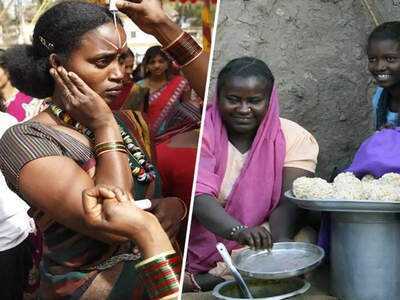
India is home to a multitude of religions and ethnicities, but one village stands out for its predominantly foreign residents. This village, known as Jambur, is primarily inhabited by individuals of African descent who have settled here from various African nations. A visit to Jambur might make you feel as if you've stepped into Africa itself.
As a vast nation, India showcases a rich tapestry of cultures, languages, and cuisines, exemplifying unity in diversity. However, certain locations gain attention for unique reasons. Jambur, located in Gujarat, is currently in the spotlight. Upon entering this village, you might momentarily feel transported to Africa, as a significant portion of its population is of African origin. Over the years, these residents have integrated into the local lifestyle.
Situated in Ahmedabad district, Jambur gained prominence around 20-25 years ago when people from African countries began to settle here. Most of these individuals hail from Nigeria, Ghana, Kenya, and other African nations, initially arriving for business, education, or employment opportunities. Gradually, they chose to make India their home, and today, approximately 70-80% of the village's population is of African descent.
A Distinctive Community
While there are local Gujarati families in Jambur, they have become a minority. As you stroll through the village, you'll encounter individuals with dark skin, dressed in African-style clothing, and hear their lively laughter. You might be surprised to discover that their Hindi is quite impressive, sounding as if spoken by a local contractor. Interestingly, these African residents have fully embraced Indian customs, incorporating morning tea, chewing gutkha, and chatting at local paan shops into their daily routines.
Economic Activities
The village's economy is equally fascinating. Many African residents engage in small businesses, dealing in clothing, electronics, and mobile accessories. Some work in the diamond polishing industry, a hallmark of Gujarat. Women typically manage household responsibilities while children attend local schools. The curriculum includes Hindi, Gujarati, and English, enabling the children to become proficient in all three languages. A notable temple in the village also features a shrine, attracting attention. During special occasions, the community showcases their African culture, drawing visitors eager to witness their traditional dances.
-
Mother’s Day 2026: Do women have increased risk of heart disease after 40? Know the doctor’s advice

-
Life is incomplete without mother! Wish Mother’s Day 2026 with these heart touching messages, a smile will come on your face – Haribhoomi
-
9 easy tips to make children’s small victories memorable!
-
Mother’s Day: A day of respect for mothers
-
Reshuffle in Urban Administration Department, many engineers transferred, see list here