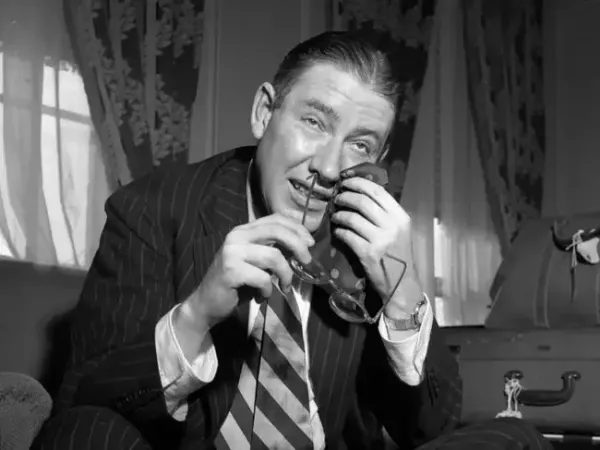
Quote of the Day by Ogden Nash on the simple secret of a happy marriage
Marriage advice comes in many forms. Some people write long books about it, some give serious speeches, and some explain it in just a few simple lines. One such line that has stayed popular for decades came from American poet Ogden Nash, who was known for his humorous way of looking at everyday life. His quote about marriage continues to be shared widely because it mixes honesty, humour and practical wisdom in a very direct way.
The quote of the day goes: “To keep your marriage brimming, With love in the loving cup, Whenever you're wrong, admit it; Whenever you're right, shut up.”
The quote may sound funny at first, and that is exactly what Nash was known for. But behind the humour, many readers feel there is a deeper point about relationships and understanding between two people. The lines are simple, not overly poetic, and that is probably one reason they still connect with readers even today.
Many couples can probably relate to this. Small arguments often grow bigger because both people want to prove themselves right. Nash turns that common situation into humour. He makes the point in a light way, but it still carries truth. A marriage, according to this thought, does not remain strong because one person always wins. It survives because both people learn when to speak and when to let things go.
The quote also reflects Nash’s larger style of writing. He often took ordinary situations from daily life and looked at them with wit. Instead of writing in a serious or dramatic tone, he used comedy to point out human behaviour. That is why his poems felt familiar to many readers. He wrote about family life, society, habits and relationships in ways that sounded casual but stayed memorable for years.
Unlike many traditional poets, Nash did not focus on grand emotional themes or difficult literary language. His strength was taking normal situations and giving them an unexpected twist. Readers enjoyed the fact that his poems sounded conversational and sometimes even intentionally awkward. That unusual style became his trademark.
He attended St. George’s School in Rhode Island before entering Harvard University in 1920. But his time there was short. He left after one year because he needed to earn a living. Later in life, Nash himself joked about many of his struggles, and humour became his way of looking at even difficult situations.
Before becoming successful as a writer, he worked several jobs. He tried teaching, advertising, editing and even bond selling on Wall Street. According to stories from his life, he sold only one bond, and that too to his godmother. Eventually he moved into advertising and later joined the publishing company Doubleday.
A major turning point came in 1930 when The New Yorker published one of his poems titled Spring Comes to Murray Hill. The poem showed the style that later made him famous — unusual rhymes, playful spelling and long wandering lines that sounded almost conversational.
Soon after that, his first poetry collection, Hard Lines, was published in 1931. The book became a huge success and reportedly went through several printings in its first year alone. After seeing that his poetry was earning more money than his regular job, Nash decided to leave advertising and focus completely on writing.
Some of his best-known lines entered popular culture over the years. Among them were: “Candy Is dandy, But liquor Is quicker.”
And another famous one: “If called by a panther, Don't anther.”
His poems were humorous, but many also quietly commented on modern American life, social habits and politics. He mocked self-importance, questioned social behaviour and made fun of everyday frustrations in ways readers enjoyed.
Apart from poetry, Nash also worked on Broadway musicals and screenplays. He wrote lyrics for productions including One Touch of Venus and later became active in children’s literature as well. Books like The Bad Parents’ Garden of Verse and Girls Are Silly gained attention among younger readers.
As television and radio grew in popularity, Nash also became a familiar public figure through readings and appearances. Audiences enjoyed hearing him perform his poems aloud because his delivery matched the playful tone of his writing.
The quote of the day goes: “To keep your marriage brimming, With love in the loving cup, Whenever you're wrong, admit it; Whenever you're right, shut up.”
The quote may sound funny at first, and that is exactly what Nash was known for. But behind the humour, many readers feel there is a deeper point about relationships and understanding between two people. The lines are simple, not overly poetic, and that is probably one reason they still connect with readers even today.
What the quote of the day really means
At the heart of the quote is the idea that relationships survive better when ego is kept under control. Nash says that when someone makes a mistake, they should admit it honestly instead of turning it into a fight. And when they believe they are correct, it is sometimes wiser to stay quiet rather than trying to win every argument. The quote is less about silence and more about choosing peace over unnecessary conflict.Many couples can probably relate to this. Small arguments often grow bigger because both people want to prove themselves right. Nash turns that common situation into humour. He makes the point in a light way, but it still carries truth. A marriage, according to this thought, does not remain strong because one person always wins. It survives because both people learn when to speak and when to let things go.
The quote also reflects Nash’s larger style of writing. He often took ordinary situations from daily life and looked at them with wit. Instead of writing in a serious or dramatic tone, he used comedy to point out human behaviour. That is why his poems felt familiar to many readers. He wrote about family life, society, habits and relationships in ways that sounded casual but stayed memorable for years.
The poem behind the famous lines
The quote comes from a short humorous poem titled A Word to Husbands. Though the poem itself is brief, those lines became far more famous than many longer works written during the same period. Over time, the quote turned into one of Nash’s most recognised pieces of writing and is now commonly used in greeting cards, speeches and social media posts about marriage.Unlike many traditional poets, Nash did not focus on grand emotional themes or difficult literary language. His strength was taking normal situations and giving them an unexpected twist. Readers enjoyed the fact that his poems sounded conversational and sometimes even intentionally awkward. That unusual style became his trademark.
Early life of Ogden Nash
Ogden Nash was born as Frederic Ogden Nash on August 19, 1902, in Rye, New York, in the United States. He came from a well-known family background, and one of his ancestors was linked to the naming of Nashville, Tennessee. During his childhood, his family moved frequently because of his father’s import-export business. Because of that, Nash spent time in different East Coast cities and also lived in Savannah, Georgia.He attended St. George’s School in Rhode Island before entering Harvard University in 1920. But his time there was short. He left after one year because he needed to earn a living. Later in life, Nash himself joked about many of his struggles, and humour became his way of looking at even difficult situations.
Before becoming successful as a writer, he worked several jobs. He tried teaching, advertising, editing and even bond selling on Wall Street. According to stories from his life, he sold only one bond, and that too to his godmother. Eventually he moved into advertising and later joined the publishing company Doubleday.
How his poetry career started
While working at Doubleday, Nash began writing humorous verses in his free time. At first he attempted serious poetry inspired by famous Romantic poets, but he later realised that comic writing suited him better. He often scribbled funny lines on paper and shared them casually with colleagues.A major turning point came in 1930 when The New Yorker published one of his poems titled Spring Comes to Murray Hill. The poem showed the style that later made him famous — unusual rhymes, playful spelling and long wandering lines that sounded almost conversational.
Soon after that, his first poetry collection, Hard Lines, was published in 1931. The book became a huge success and reportedly went through several printings in its first year alone. After seeing that his poetry was earning more money than his regular job, Nash decided to leave advertising and focus completely on writing.
A writing style unlike anyone else
Nash became widely known for his unusual use of language. His rhymes were intentionally odd at times, and he often bent spellings or pronunciations to fit his comic rhythm. Critics in Britain sometimes disliked the way he broke traditional rules of poetry, but readers loved it because it felt fresh and funny.Some of his best-known lines entered popular culture over the years. Among them were: “Candy Is dandy, But liquor Is quicker.”
And another famous one: “If called by a panther, Don't anther.”
His poems were humorous, but many also quietly commented on modern American life, social habits and politics. He mocked self-importance, questioned social behaviour and made fun of everyday frustrations in ways readers enjoyed.
Family life and later success
In 1931, Nash married Frances Rider Leonard. The couple had two daughters, and family life later became material for much of his writing. His experiences as a husband and father appeared in several poems and books over the years.Apart from poetry, Nash also worked on Broadway musicals and screenplays. He wrote lyrics for productions including One Touch of Venus and later became active in children’s literature as well. Books like The Bad Parents’ Garden of Verse and Girls Are Silly gained attention among younger readers.
As television and radio grew in popularity, Nash also became a familiar public figure through readings and appearances. Audiences enjoyed hearing him perform his poems aloud because his delivery matched the playful tone of his writing.