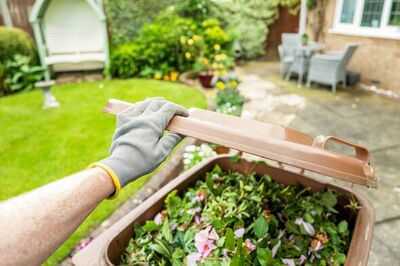
Spring presents the ideal opportunity to tackle gardens and spruce them up ahead of summer's arrival. Many households across England will be busy mowing lawns, pruning hedges and revitalising plants.
But households risk being caught out by the new bin regulations when disposing of their garden waste. There has been a significant change in how recycling is done in England this year. Should you ignore the latest guidelines, your bin may not be emptied.
The UK's Simpler Recycling reforms, introduced under the Environment Act 2021, have imposed recycling requirements for businesses and households in England.
There are now separate collections for food waste, paper and card, glass, metal and plastic. Local authorities must provide clear information regarding what can and cannot be recycled.
Certain local councils are exempt from the new regulations until at least 2040, so it is essential to verify with your local authority whether these new rules are applicable. The new rules mean that local authorities are no longer obliged to collect certain garden items for recycling.
Animal beddingCertain local councils may allow used hay, straw and bedding from animals such as rabbits or guinea pigs to be placed in garden waste collections. But, the new rules mean local authorities are not required to collect it. Old pet blankets or beds made from fabric can be recycled at Recycling Centres.
Bulky waste (including garden furniture and fencing)Certain councils provide one-off bulky waste collections, which are usually subject to a charge. Alternative options include dropping items off at a Recycling Centre or using private waste removal services.
Garden tools or other gardening equipmentTools that remain in good working order can be donated to some charity shops or local community projects. Should you wish to recycle tools that are no longer useable, it is advisable to take them to a Recycling Centre.
Plant potsLocal authorities are no longer obliged to collect plant pots. Some garden centres operate plant pot take-back schemes. Recycle Now said: "Currently black plant pots contain pigments which make them undetectable to the sorting machinery used to sort plastics, unlike other pots, tubs and trays used for food packaging, so need to be placed in the waste bin."
 Plastic
While most plastic packaging can be recycled, certain plastics cannot. It is always advisable to check what type of plastic an item contains and whether it is recyclable. If in any doubt, take it to a Recycling Centre.
SandOld sand can be added to a home compost heap or placed in the bottom of potted plants.
SawdustMost councils will not accept sawdust in recycling collections. Instead, seal it in a plastic bag and place it in the general waste bin. A professional waste collector is also an option.
Stone, gravel or bricksThese items are best taken to a Recycling Centre. A skip can also be hired if there is a considerable amount of waste.
Tea bags or coffee groundsLocal authorities are no longer required to collect tea bags or coffee grounds. Always check what regulations are in place for your area. These items can be composted at home.
Branches and trees exceeding a certain sizeIf these are large they may need to be cut into smaller sections to comply with local guidance. You can use professional waste removal services or take them to a Recycling Centre.
-
Fire Near Charles de Gaulle Airport Causes Smoke Plumes

-
WWE Backlash 2026: Key Matches and Viewing Details

-
FC Goa and Mohun Bagan Share Spoils in Thrilling 1-1 Draw

-
Controversy Surrounds Yuzvendra Chahal Over Alleged Vaping Incident

-
Bride Disappears After Wedding in Rajasthan, Groom Files Police Complaint