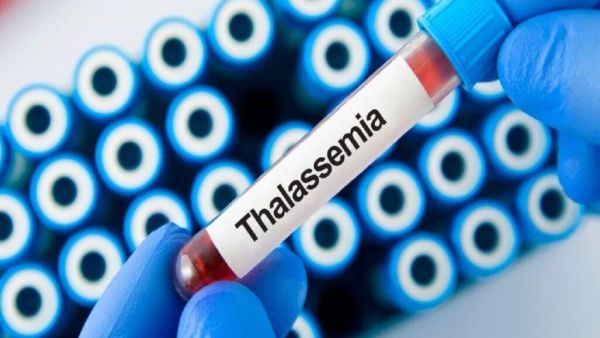
Today is World Thalassemia Day. Thalassemia is widely recognized as a lifelong blood disorder. It requires regular blood transfusions and ongoing treatment. Advances in treatment have now improved the quality of life of patients. However, increased life expectancy, long-term complications, and especially kidney health, have received more attention. This is often overlooked.
A growing but under-recognized problem
The kidneys play an important role in filtering waste from the body, maintaining fluid balance, and regulating electrolytes. In thalassemia patients, chronic blood transfusions, increased iron levels, and long-term medications put constant stress on the kidneys. Cardiac and hepatic complications are closely monitored, but renal involvement is increasingly recognized in long-lived patients. Yet it is underdiagnosed and often progresses slowly.
Head of Department of Nephrology at Aditya Birla Memorial Hospital Dr. Girish Vasudev Kumthekar says, “Kidney damage in thalassemia is initially very subtle, so it often goes unnoticed until it becomes clinically serious.”
Iron overload and its calming effect
Iron overload is a major complication in thalassemia. Each blood transfusion adds about 200–250 mg of iron to the body. Over time, excess iron accumulates in organs such as the kidneys, causing oxidative stress, tubular damage, and impaired blood purification and electrolyte regulation. According to studies, 30 to 60 percent of transfusion-dependent patients may develop kidney- problems. Often with no initial symptoms and undiagnosed, some of these patients may develop chronic kidney disease.
Identifying early warning signs
A major challenge in managing kidney health in thalassemia is that early damage is often asymptomatic. Sometimes the only warning signs are the presence of protein in the urine, minor changes in creatinine levels, electrolyte imbalances, or frequent urination. Routine laboratory tests are helpful in detecting these abnormalities.
Common renal complications in thalassemia
If these early changes go unnoticed, patients can develop a variety of kidney complications. These include tubular dysfunction, persistent proteinuria (low protein levels), decreased glomerular filtration rate (a measure of how much blood the kidneys filter in one minute), and advanced chronic kidney disease. These problems usually develop slowly, thus underscoring the need for early diagnosis and treatment. We see that renal hyperfiltration, hypercalciuria (excretion of calcium in urine) and albuminuria (excess of albumin in urine) are common problems in thalassemia. More blood transfusions are associated with lower creatinine. But hypercalciuria appears more frequently.
Blood transfusion, chelation and lifelong monitoring
Although blood transfusions are lifesaving, repeated transfusions can lead to iron overload, chronic inflammation, and circulatory stress, which can lead to kidney damage over time. Iron chelation therapy is essential, but requires monitoring, as some medications can cause creatinine changes, tubular dysfunction, or electrolyte imbalances. Kidney risks also vary with age. Early tubular changes are seen in children, while adults are at greater risk of chronic kidney disease. Therefore, it is very important to check serum creatinine, eGFR, urine protein and electrolytes every 6–12 months, so that early diagnosis and timely treatment are possible.
prevention and protection
The good thing is, early intervention can greatly reduce long-term complications. Properly administering chelation therapy, controlling iron levels, and treating early abnormalities can help preserve kidney function and prevent irreversible damage.
Simple lifestyle measures such as drinking enough water, eating a balanced diet with controlled salt intake, and avoiding the use of unnecessary nephrotoxic drugs can also help improve kidney health.
Treatment of thalassemia should not be limited to hemoglobin control but should also include organ preservation. Kidney complications can be mild, but can be avoided with regular check-ups and timely treatment. Maintaining kidney health should be as regular as hemoglobin management. It is essential for longevity and good quality of life. Awareness of the underlying renal disorders in thalassemia may help in making appropriate decisions regarding the use and maintenance of iron chelation.
-
Dutch Forward Justin Kluivert Returns From Knee Surgery For Bournemouth Ahead Of FIFA World Cup

-
SBI Chairman Dismisses Funding Worries; Bank Posts Highest-Ever Annual Profit of ₹80,032 Crore
-
Punjab Kings' Sairaj Bahutule Tipped To Become Team India's New Spin Bowling Coach: Report

-
Beijing Admits to On-Ground Military Support for Pakistan During 'Operation Sindoor' Clash with India

-
'Supporting AIADMK Was Unacceptable,' Left and VCK Abandon DMK, Backs Vijay’s TVK to Form Government