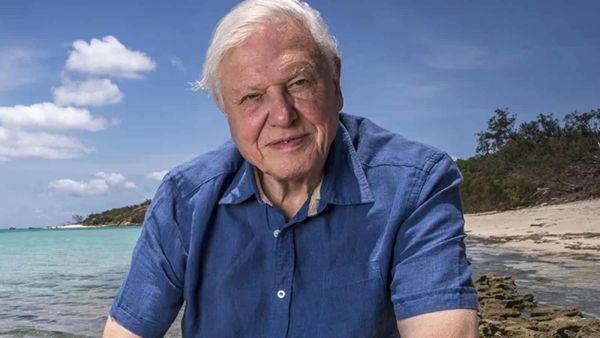
Perhaps no other person has done as much as Sir David Attenborough to make humans appreciate the beauty of planet Earth, its significance and the need to preserve it for posterity. The grand old man of nature documentaries and the pioneer of wildlife filmmaking is celebrating his 100th birthday on Friday, May 8.
David Frederick Attenborough was born on May 8, 1926, in Isleworth, United Kingdom. He grew up on the campus of the University College of Leicester, where his father, Frederick, was the principal. David was born as the middle sibling of three sons.
His older brother Richard Attenborough became a well-known actor whom many have seen in films such as “Shatranj Ke Khiladi” (as General Outram) and in “Jurassic Park” (as industrialist John Hammond). The younger brother, John Attenborough, became a top executive in the car manufacturing company Alfa Romeo. The Attenborough parents also fostered two refugee girls during World War II.

After studying natural sciences at Cambridge University, David Attenborough began his career as a presenter at the BBC. He began foraying into filmmaking with wildlife and culture as his subjects. His talent for his work was evident very soon and his love for nature was immediately evident to his viewers. He captivated his audience and pulled them out of their drawing rooms to the far-flung regions of Earth to explore the many multifaceted wonders with him.
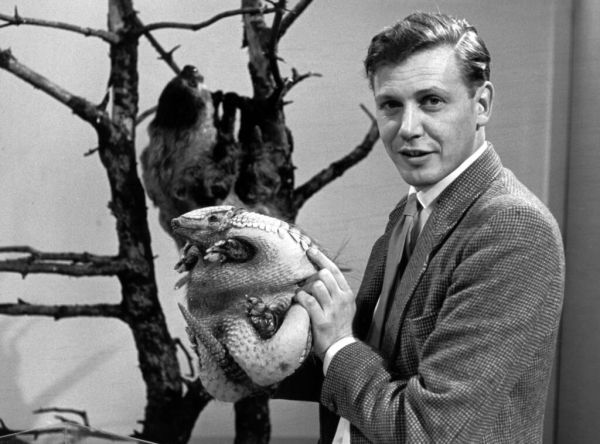
Few broadcasters in history have earned the affection, trust and admiration that surround David Attenborough today. For more than seven decades, Attenborough has been the gentle but knowledgeable voice guiding millions through forests, oceans, deserts and frozen wildernesses, reminding us constantly that Earth is both beautiful and fragile.
Indira Gandhi had him in her circle
According to Jairam Ramesh, MP and former Union minister for environment and forests, Attenborough was part of former prime minister Indira Gandhi’s circle of naturalists. Attenborough had driven her to Birmingham, where the two of them discussed how television could be used for education and public communication.
Jairam Ramesh said in an interview, “If Attenborough’s century was about seeing the natural world, the coming century is about saving it. Those who stand by his ideas must also oppose projects such as the ecologically disastrous Great Nicobar Project that the Indian government is pushing now.”
Through groundbreaking series such as “Life on Earth,” “The Living Planet,” “Planet Earth,” “Blue Planet” and “Frozen Planet,” Attenborough brought the wonders of nature into homes with unprecedented clarity and an emotional angle. What made his work extraordinary was his ability to communicate to the viewers the wonder that he himself was feeling.
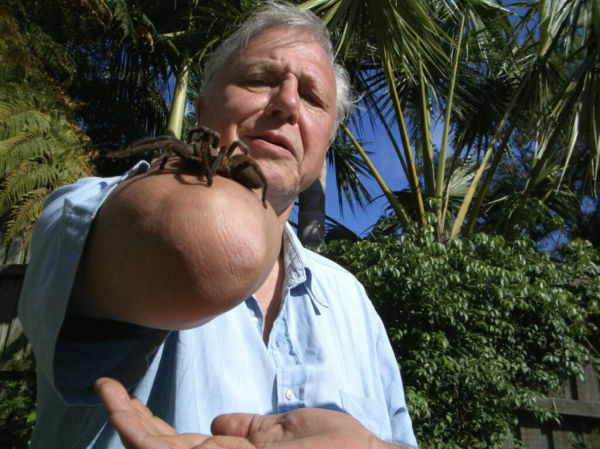
Programmes attracted viewers
His narration always had curiosity and warmth rather than drama. In his programmes, Attenborough spoke with the enthusiasm of a student of nature. Viewers did not feel they were being lectured. They felt they were being invited to explore the region by his side.
Technological advances in filmmaking often accompanied his work. Under his guidance, wildlife documentaries evolved from simple observational films into cinematic experiences. High-definition cameras, underwater filming, aerial photography and microscopic imaging revealed details of animal behaviour never before seen by ordinary audiences.
In recent decades, Attenborough’s role has evolved from a broadcaster to that of an environmental advocate. Witnessing the destruction of habitats, climate change and declining biodiversity over the course of his long life, he began speaking more urgently about humanity’s responsibility toward the planet.
Urged governments to protect nature
Documentaries such as “A Life on Our Planet” served both as a record of what exists as well as a warning. Often, he has urged governments, industries and individuals to protect ecosystems before irreversible damage is done. But amidst all the gloom, Attenborough himself never lost hope.
His message has consistently been that nature can recover if humanity acts wisely and collectively. This optimism, grounded in scientific understanding rather than sentimentality, has inspired environmental movements worldwide.
Attenborough has gained respect across generations and cultures. He achieved this because his work appealed to something universal and that is the human sense of curiosity and wonder. Children watched him in amazement, scientists admired his commitment to accuracy and ordinary viewers trusted his sincerity.
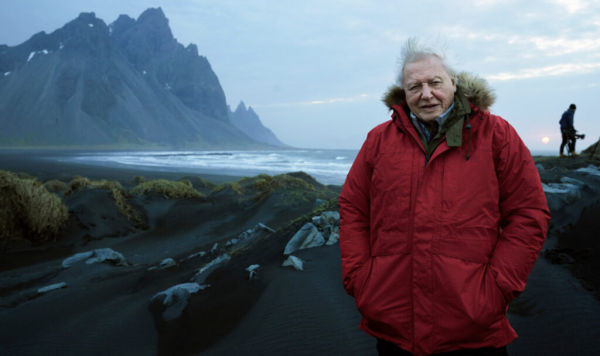
David Attenborough stands above rest
At 100, Sir David Attenborough stands out not only as a broadcaster but as one of the finest communicators of the modern age. His documentaries created awareness, inspired conservation and deepened humanity’s connection with the natural world. The world’s forests, oceans and the big and small creatures he introduced to the world will always remind viewers of his undying commitment to nature and its fragile beauty.
-
Bus driver dies of heart attack, averts major tragedy near Madikeri

-
Home Minister Parameshwara Denies Free MLA Ticket Row Forced IPL 2026 Final Shift From Bengaluru

-
Bharat Forge Announces Dividend Despite Q4 Losses

-
Suryakumar Yadav Welcomes Baby Girl Amid IPL Challenges

-
Saif Ali Khan Returns as a Cop in Netflix's 'Kartavya'