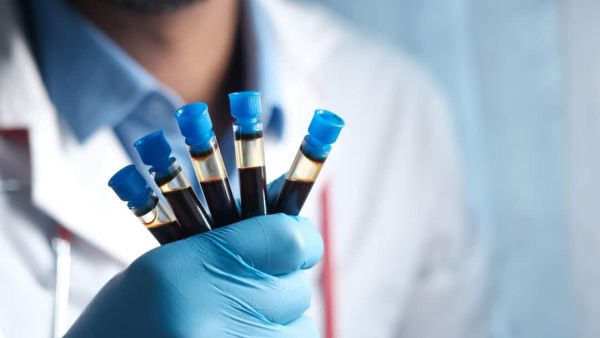
Type 1 diabetes is a lifelong condition in which the body loses its ability to produce insulin, making it difficult to regulate blood sugar levels. Now, scientists in Sweden from Karolinska Institutet and KTH Royal Institute of Technology are exploring a potential new way to treat it by developing a more reliable method to create insulin-producing cells from human stem cells. In early experiments, these lab-grown cells were able to respond to glucose and help restore blood sugar control in diabetic mice.
For the uninitiated, Type 1 diabetes occurs when the body’s immune system attacks the pancreas, stopping it from producing insulin – the hormone that controls blood sugar. Without insulin, sugar builds up in the blood, leading to symptoms such as excessive thirst, fatigue, weight loss, blurred vision, and constant hunger. If not managed properly, it can even cause serious complications.
While past research has tried to replace these lost insulin-producing cells with limited success, newer studies are improving how such cells are created, offering hope for better treatment options in the future.
Lab experiments showed that the cells released insulin and were able to regulate glucose levels. When transplanted into diabetic mice, the cells helped gradually restore blood sugar control. To closely monitor their development and function, the cells were placed in the anterior chamber of the eye, a method that allowed researchers to observe their performance in a minimally invasive way.
“This is a technique we use to monitor the development and function of the cells over time in a minimally invasive way. We observed that the cells gradually matured after transplantation, retaining their ability to regulate blood sugar for several months, which demonstrates their potential for future treatments,” said Per-Olof Berggren, a professor at the Department of Molecular Medicine and Surgery, Karolinska Institutet, in a statement.
While managing risks remains a challenge, as stem cells can sometimes develop into unwanted cell types. However, researchers have improved this by refining the culture process and encouraging the cells to grow in natural three-dimensional clusters. This approach reportedly helps to reduce the presence of unwanted cells and enhances the cells’ ability to respond effectively to glucose.
The study was supported by a collaborative network of funding organisations, helping advance this potential approach to treating type 1 diabetes. These include the Swedish Research Council, STINT, Knut and Alice Wallenberg Foundation, Novo Nordisk Foundation, the European Research Council (ERC Advanced Grant), Erling-Persson Family Foundation, Jonas & Christina af Jochnick Foundation, Swedish Diabetes Association, Vinnova, and Karolinska Institutet Strategic Research Program in Diabetes.
“We have developed a method that reliably produces high-quality insulin-producing cells from multiple human stem cell lines. This opens up opportunities for future patient-specific cell therapies, which could reduce immune rejection,” elaborated Per-Olof Berggren.
The study found that the transplanted cells were able to survive and function effectively, helping regulate blood sugar levels in mice for up to six months, with no signs of cyst formation in the stem-cell-derived tissue. However, ensuring long-term success will require further work on graft stability, so the transplanted cells continue to function over time, as well as a better understanding of how the surrounding tissue environment affects their performance.
While researchers have developed a more efficient method to produce these insulin-secreting cells, more studies are needed before this approach can be considered for human treatment. Future research will focus on long-term safety, consistency, and large-scale clinical testing to determine whether the results can be replicated in patients.
-
Secunderabad cop assaults Zomato delivery man over late night delivery

-
BJP MLAs meet to elect new West Bengal CM, Suvendu Adhikari to grab spot

-
US court rejects Indian Muslim man’s bid to stop deportation

-
Rupee falls 45 paise to 94.67 against US dollar in early trade

-
From HPV To Diabetes: Essential Health Tests Every Woman Should Consider After Her 20s