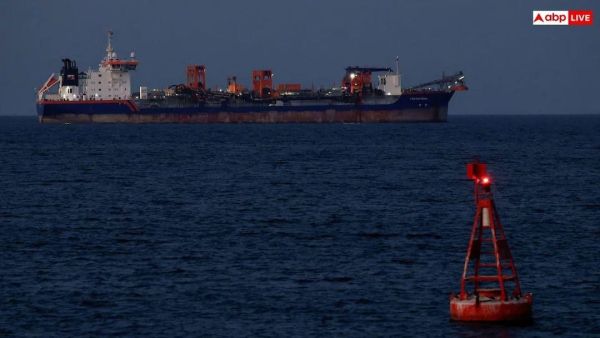
The United Arab Emirates and several oil buyers have quietly moved crude shipments through the Strait of Hormuz with vessel tracking systems switched off, attempting to free up oil trapped in the Gulf amid the ongoing conflict involving Iran.
The shipments represent only a small share of the UAE’s usual export volumes before the U.S.-Israeli war on Iran disrupted regional energy trade. Still, the move highlights the growing risks producers and buyers are prepared to take to keep crude flowing despite mounting security concerns in one of the world’s most critical energy corridors.
While the UAE has continued limited exports, other Gulf producers have sharply scaled back operations. Iraq, Kuwait and Qatar have either suspended sales or lowered prices significantly to attract reluctant buyers, while Saudi Arabia has shifted shipments to routes through the Red Sea.
Million Of Barrels Shipped Despite Disruption
In April, Abu Dhabi National Oil Co. exported at least 4 million barrels of its Upper Zakum crude and another 2 million barrels of Das crude aboard four tankers departing from terminals inside the Gulf, according to Reuters, quoting three industry sources and shiptracking data from Kpler and satellite analysis conducted by SynMax.
The cargoes followed several routes after leaving the Gulf. Some shipments were transferred through ship-to-ship operations before being moved onward to a Southeast Asian refinery. Others were unloaded into storage facilities in Oman, while some tankers sailed directly to refineries in South Korea, according to Reuters, citing sources familiar with ADNOC’s operations, as well as Kpler and SynMax data.
The use of switched-off location trackers underscored the tense operating environment in the region, where fears of Iranian attacks have forced shipping companies and buyers to adopt unusual measures to move cargo safely through contested waters.
Strait of Hormuz Crisis Sends Shockwaves
Iran responded to the US-Israeli strikes that began on February 28 by effectively closing the Strait of Hormuz to most exports except its own. The move trapped nearly a fifth of global oil and gas supplies inside the Gulf, intensifying pressure on international energy markets.
At the same time, a US blockade has sharply restricted Iranian exports in recent weeks, tightening supplies further and pushing global oil prices above $100 a barrel. The disruption has renewed concerns over how long the region can sustain energy exports if tensions continue to escalate.
The conflict has already forced ADNOC to reduce exports by more than 1 million barrels per day compared with last year’s average shipments of 3.1 million barrels per day, according to Kpler data. Much of the company’s remaining exports now rely on its Murban crude grade, which is transported by pipeline from onshore fields to the Fujairah export terminal outside the Strait of Hormuz.
-
BCCI to IPL franchises: Prohibit unauthorised entry, it could be ‘honey trap’

-
Iran accuses US of ceasefire breach after Hormuz exchange of fire
-
New York to restrict ICE despite threat from Trump’s border czar

-
US to revoke passports for thousands of parents who owe child support

-
Vande Matram cannot be treated on par with national anthem: Owaisi