U.S. crude futures rose as much as 3 per cent in early trading after renewed hostilities broke out between the U.S. and Iran. West Texas Intermediate oil prices were trading up 2.58 per cent or $2.45, at $97.26 a barrel after initially gaining more than 3 per cent.
The U.S. military said it carried out retaliatory strikes on Iran on Thursday, targeting sites responsible for attacking U.S. forces. Iran's military accused the U.S. of violating the ceasefire between the two countries, saying the U.S. had targeted two ships in the Strait of Hormuz and attacked civilian areas.
The WTI contract had settled down 27 cents at $94.81 per barrel in the previous trading session.
U.S. stocks fell from their records on Thursday after oil prices yo-yoed as Wall Street waits to see whether its hopes for a deal to end the Iran war are warranted or just wishful.
The price for a barrel of Brent crude oil settled at $100.06, down 1.2 per cent, and continued its decline from more than $115 early this week. But it swung sharply before getting there, as Iran said it was reviewing the latest U.S. proposals on ending their war.
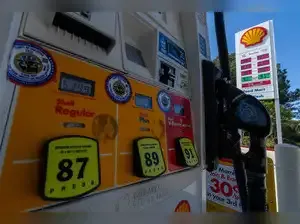
The hope is that an end to the war will reopen the Strait of Hormuz and allow oil tankers trapped in the Persian Gulf to deliver crude again to customers. Oil and gasoline are still much more expensive than they were before the war began because of the strait’s closure.
Brent’s price briefly fell near $96 per barrel on Thursday after a spokesperson for Pakistan’s Foreign Ministry said, “We expect an agreement sooner rather than later.” Pakistan has been mediating talks between the United States and Iran. But Brent later erased much of that drop and briefly topped $102, which in turn sent stocks lower on Wall Street.
Iran has created a government agency to vet and tax vessels seeking passage through the crucial Strait of Hormuz, a shipping data company reported Thursday, as Tehran said it was reviewing the latest U.S. proposals for ending the war.
The Iranian effort to formalize control over the channel raised new concerns about international shipping, with hundreds of commercial ships bottled up in the Persian Gulf and unable to reach the open sea. Still, hope that the two-month conflict could soon be over buoyed international markets.
The U.S. military said it carried out retaliatory strikes on Iran on Thursday, targeting sites responsible for attacking U.S. forces. Iran's military accused the U.S. of violating the ceasefire between the two countries, saying the U.S. had targeted two ships in the Strait of Hormuz and attacked civilian areas.
The WTI contract had settled down 27 cents at $94.81 per barrel in the previous trading session.
U.S. stocks fell from their records on Thursday after oil prices yo-yoed as Wall Street waits to see whether its hopes for a deal to end the Iran war are warranted or just wishful.
The price for a barrel of Brent crude oil settled at $100.06, down 1.2 per cent, and continued its decline from more than $115 early this week. But it swung sharply before getting there, as Iran said it was reviewing the latest U.S. proposals on ending their war.
The hope is that an end to the war will reopen the Strait of Hormuz and allow oil tankers trapped in the Persian Gulf to deliver crude again to customers. Oil and gasoline are still much more expensive than they were before the war began because of the strait’s closure.
Brent’s price briefly fell near $96 per barrel on Thursday after a spokesperson for Pakistan’s Foreign Ministry said, “We expect an agreement sooner rather than later.” Pakistan has been mediating talks between the United States and Iran. But Brent later erased much of that drop and briefly topped $102, which in turn sent stocks lower on Wall Street.
Iran has created a government agency to vet and tax vessels seeking passage through the crucial Strait of Hormuz, a shipping data company reported Thursday, as Tehran said it was reviewing the latest U.S. proposals for ending the war.
The Iranian effort to formalize control over the channel raised new concerns about international shipping, with hundreds of commercial ships bottled up in the Persian Gulf and unable to reach the open sea. Still, hope that the two-month conflict could soon be over buoyed international markets.